3 Powerful Reasons to Combine Breathwork with Movement
What if improving mobility, managing pain, and developing better strength didn’t require adding more exercises to your workouts? Most people already struggle to find enough time for strength training, cardiovascular exercise, mobility, and recovery. Adding breathwork might sound like another task on an already overwhelming fitness checklist.
But what if we’ve been thinking about breathwork the wrong way? Instead of treating breathing as something separate from exercise, what happens when we integrate it directly into movement?
We don’t believe people necessarily need another 5, 10, or 20-minute routine. We want to help them get more out of the time they’re already spending moving.
Research on mind-body exercise, pain science, mobility, and motor control gives us three compelling reasons to explore this approach.
1. Less Pain Can Mean More Opportunities to Get Stronger
One of the biggest barriers to successful training isn’t motivation. It’s pain. When people experience persistent discomfort, they often reduce their activity, avoid certain movements, or struggle to train consistently. Over time, this can affect strength, conditioning, confidence, and quality of life.
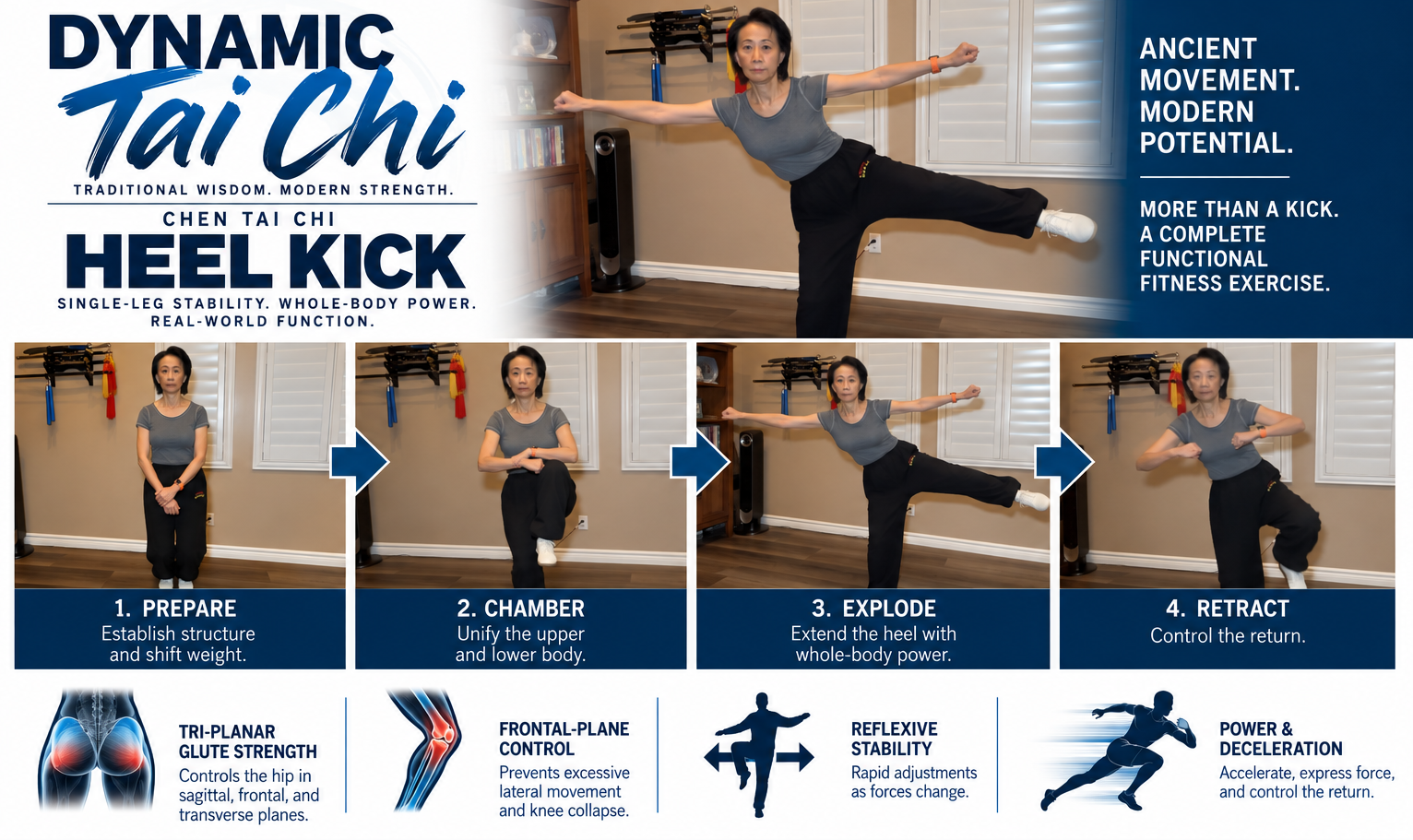
This is where mind-body exercise becomes particularly interesting. Research examining mind-body fitness has found meaningful improvements in pain and physical function for some people living with chronic musculoskeletal conditions. For example, a randomized clinical trial published in Annals of Internal Medicine found that Tai Chi produced improvements in knee osteoarthritis symptoms comparable to physical therapy over 12 weeks. Tai Chi participants also experienced greater improvements in some psychological outcomes.
Why does this matter? Because pain isn’t simply a direct measurement of tissue damage. It’s a protective experience influenced by biological, psychological, and social factors, including expectations, stress, previous experiences, and perceived threat.
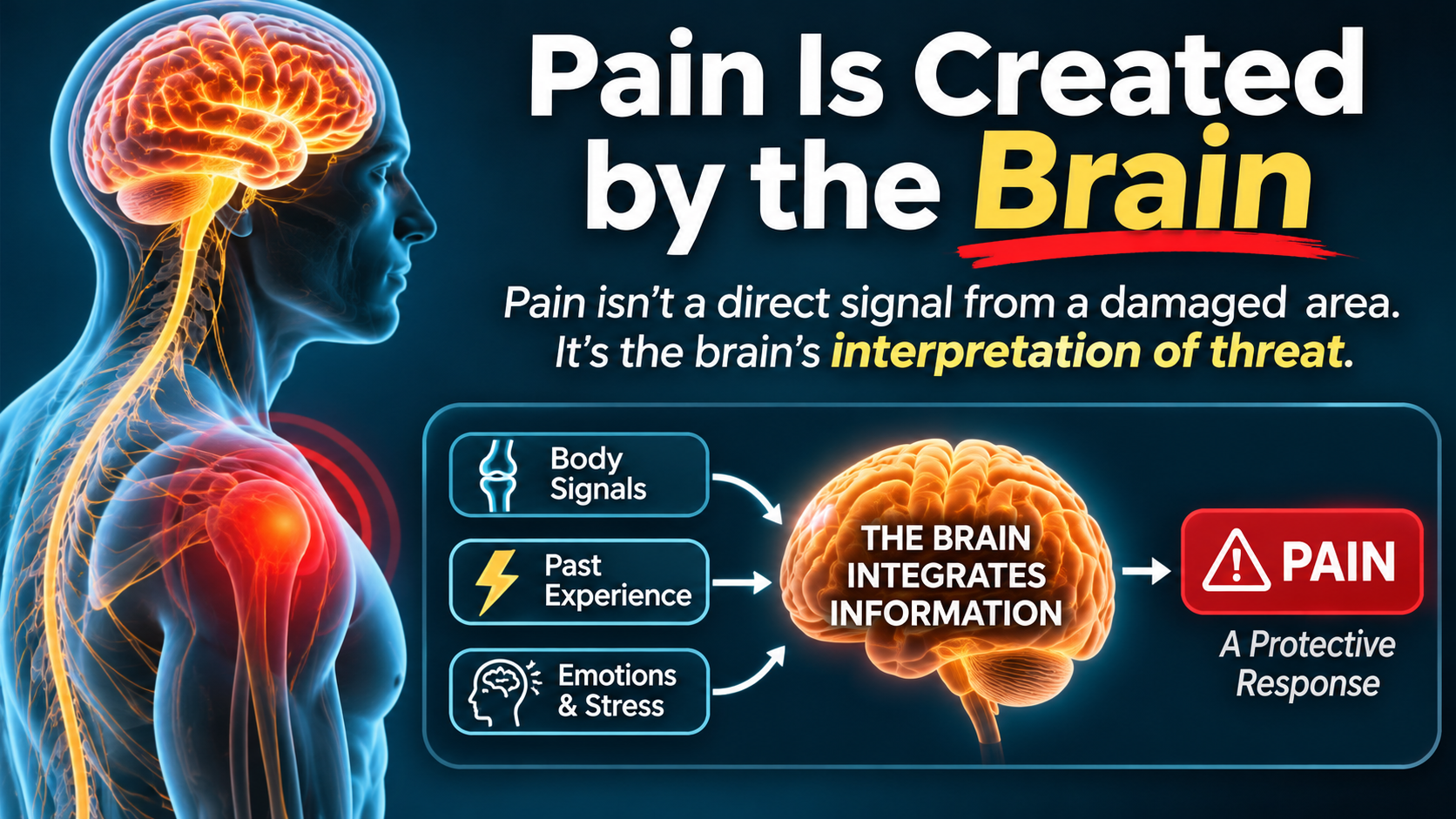
Mind-body exercise may help through several overlapping mechanisms, including gradual movement exposure, physical conditioning, attention, relaxation, and improved movement confidence. However, we should be careful not to assume breathing alone explains these benefits.
The practical opportunity is that movement incorporating breath and attention may help people exercise more comfortably and confidently. When someone can participate in training more consistently, they have greater opportunities to develop strength, endurance, and resilience. That’s a much more meaningful outcome than simply feeling relaxed for a few minutes.
2. Better Breathing May Help Us Develop More Usable Mobility
How often have you heard someone say their hamstrings, hips, or shoulders are simply too tight? Our instinct is usually to stretch the tissue until it becomes longer. But modern flexibility research tells a more interesting story.
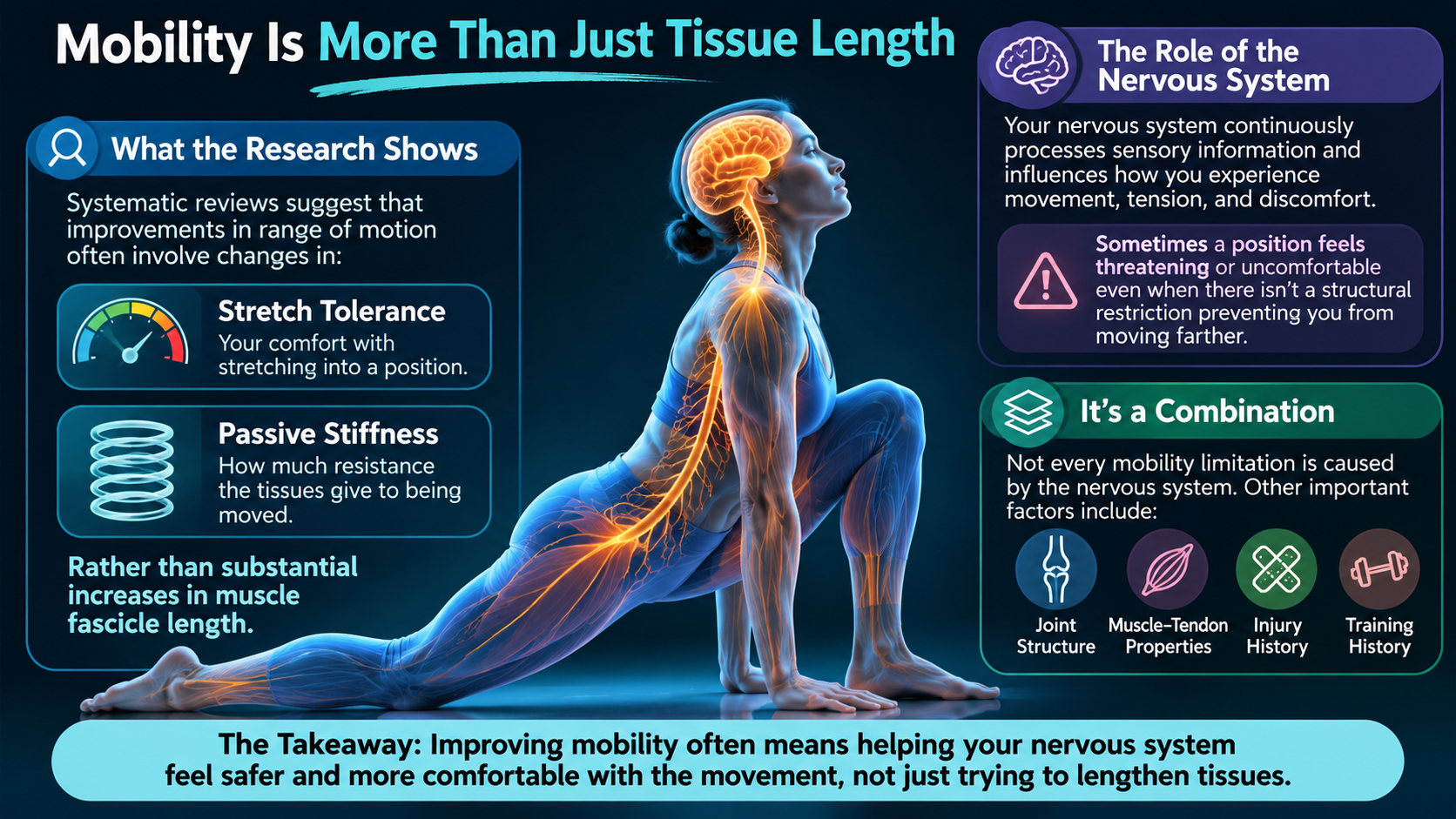
Systematic reviews suggest that improvements in range of motion often involve changes in stretch tolerance and passive stiffness rather than substantial increases in muscle fascicle length. In other words, improving mobility doesn’t always require physically lengthening tissues.
Our nervous system continuously processes sensory information and influences how we experience movement, tension, and discomfort. Sometimes a position feels threatening or uncomfortable even when there isn’t a structural restriction preventing us from moving farther. This doesn’t mean every mobility limitation is caused by the nervous system putting on the brakes. Joint structure, muscle-tendon properties, injury, and training history also matter.
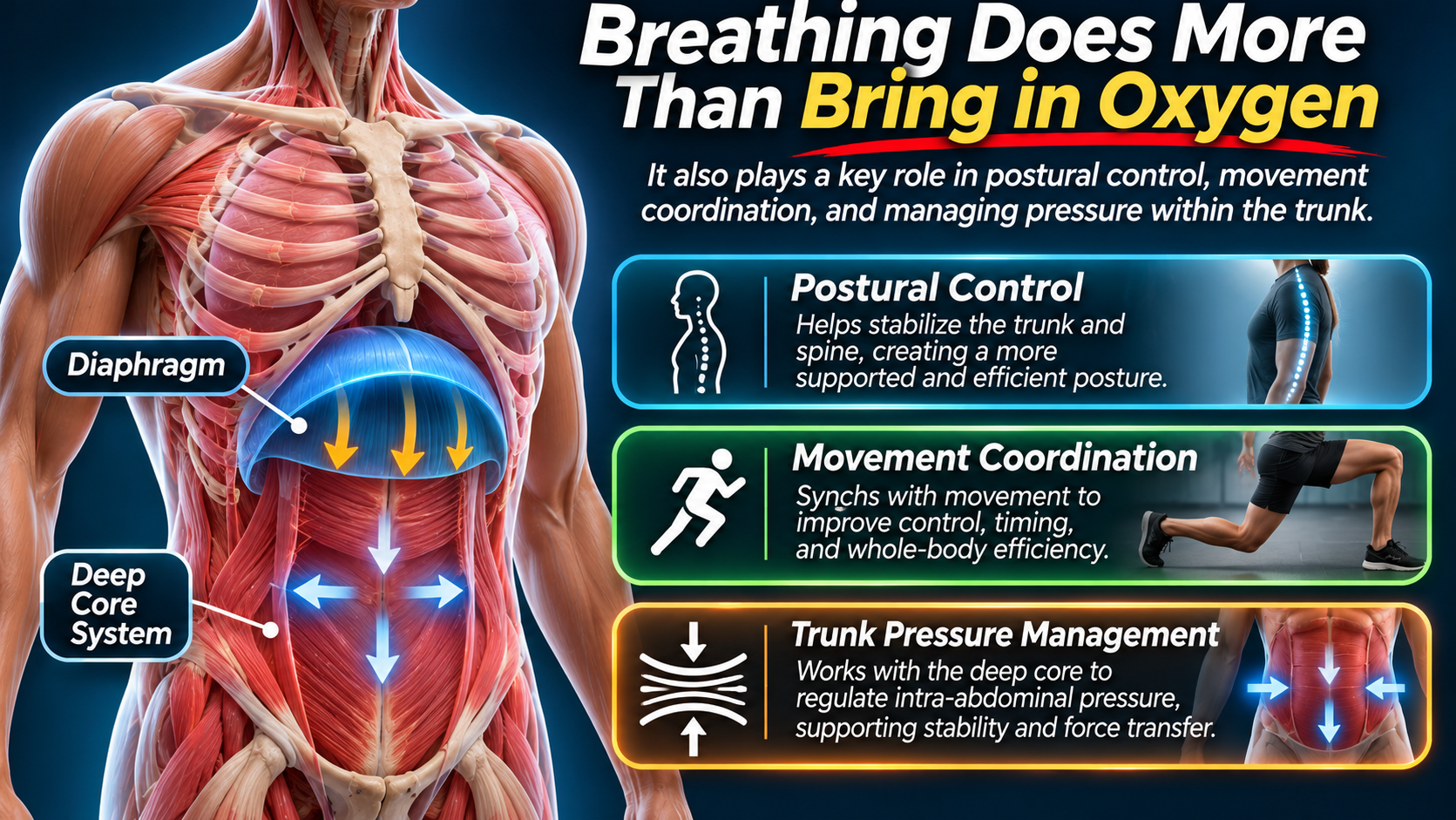
So where does breathing fit? The diaphragm isn’t simply a respiratory muscle. Research has demonstrated that it also participates in postural control and helps regulate pressure within the trunk. When we coordinate breathing with movement, we can practice controlling our trunk while exploring different ranges of motion. Breathing may also help us manage unnecessary effort and remain comfortable in challenging positions.
Combining breathing with mobility offers a practical way to train respiratory coordination, movement awareness, and control together.
The goal isn’t simply to access more range of motion. It’s to develop the strength and coordination to use that range effectively.
3. Breathing Can Help Us Manage Tension for Better Movement and Performance
Here’s something that often surprises people: producing more tension isn’t always the same as producing better movement. Strength and power require muscular force, but they also require appropriate timing, coordination, and the ability to regulate tension.
Consider throwing a ball, swinging a golf club, or performing an explosive lift. If every muscle contracts maximally throughout the entire movement, we may create unnecessary resistance to the motion we’re trying to produce.
Researchers describe part of this relationship through agonist-antagonist coactivation, where muscles producing a movement and those opposing it activate simultaneously. Coactivation isn’t inherently bad because it contributes to joint stability and control. However, excessive or poorly timed coactivation can increase energy demands and interfere with efficient movement.
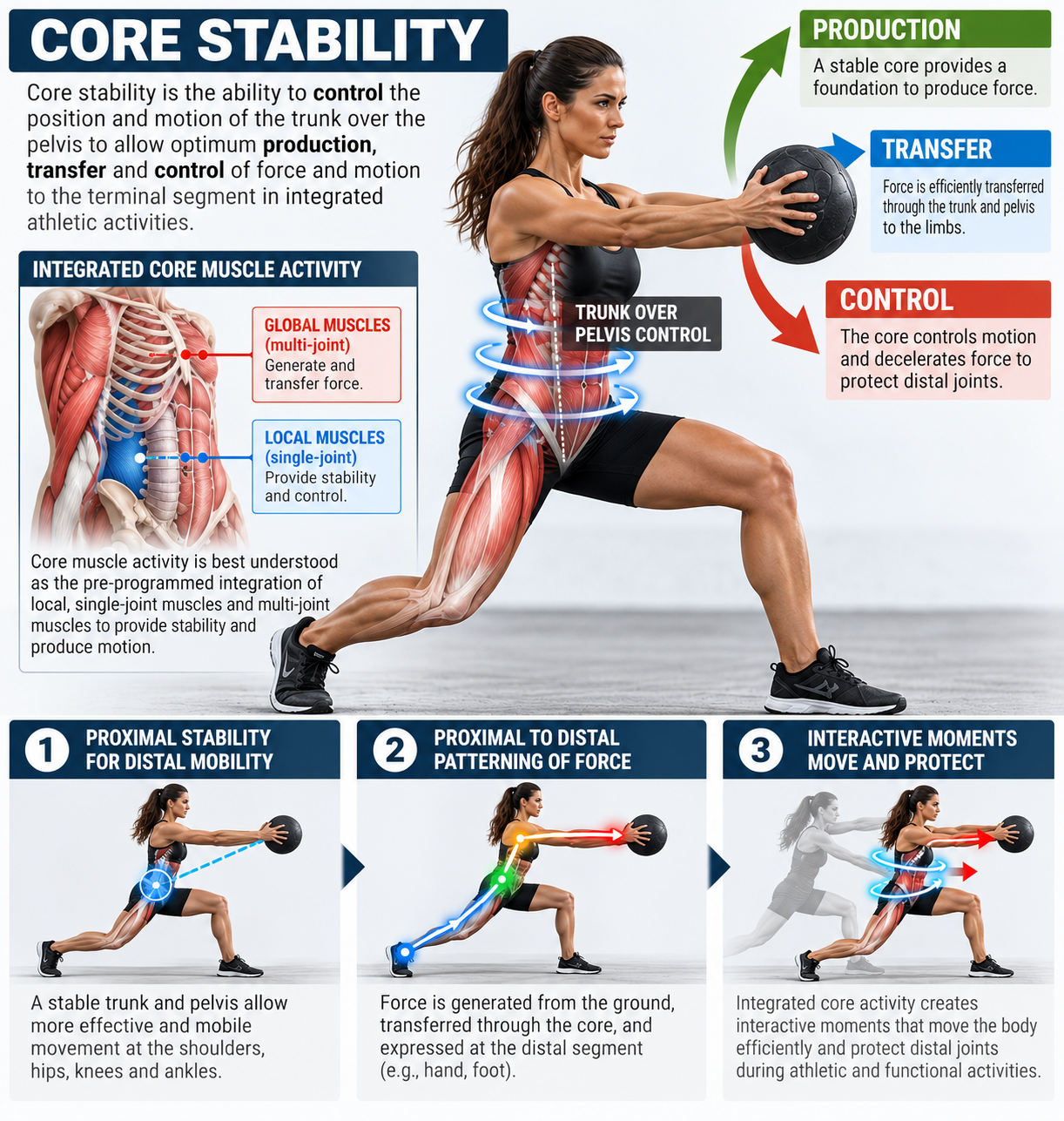
Breathing offers one way to practice regulating effort. Instead of holding unnecessary tension throughout an entire exercise, we can learn when to stabilize, when to exhale, and when to allow movement to occur with less effort. This is especially relevant to exercises requiring transitions between stability and mobility.
However, breathing strategies must match the task. Heavy lifting may benefit from substantial trunk bracing and carefully managed breath-holding. A relaxed exhalation isn’t automatically the best strategy for maximum force production.
The strongest argument is therefore not that breathing magically increases power. It’s that breathing is part of the coordination system we use to regulate pressure, stabilize the trunk, and organize movement. Learning to use it intentionally may help us perform exercises with more appropriate effort.
The Bigger Picture: Stop Separating Everything
This is what makes breathwork with movement so appealing. We don’t have to view breathing, mobility, strength, and nervous-system regulation as completely separate training objectives. A thoughtfully designed exercise can challenge multiple qualities simultaneously.
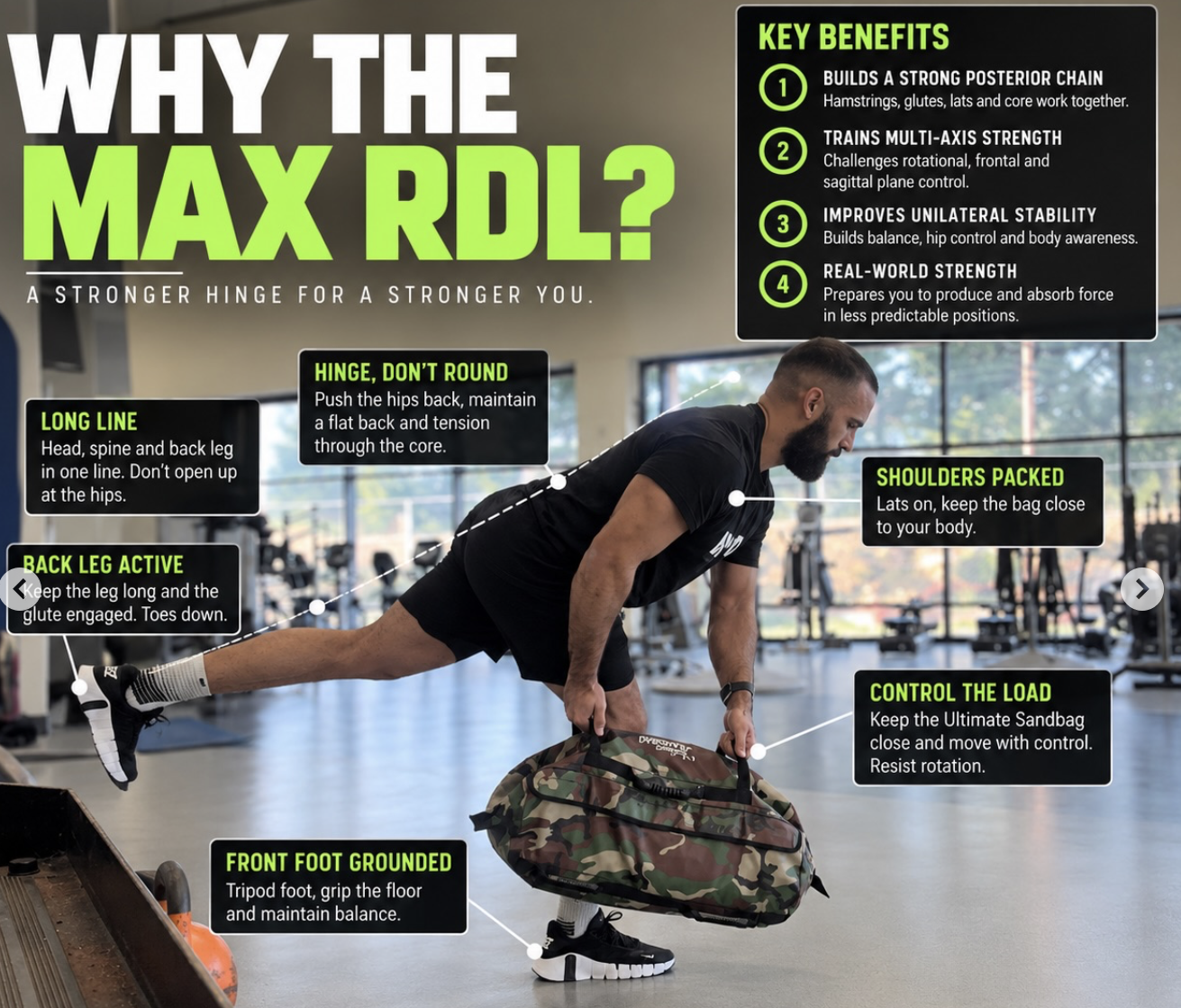
A loaded lunge can develop strength while challenging balance and coordination. A rotational movement can explore mobility while demanding trunk stability. Adding intentional breathing gives us another variable to practice within those movements.
That doesn’t mean every exercise should use slow breathing or that integrated training is always superior to specialized training. It means we can be more intentional about how our training components work together.
Our goal isn’t to make training more complicated. It’s to help people discover how breathing, movement, strength, and attention can complement one another.
Because the best training isn’t necessarily about doing more. Sometimes it’s about getting more meaningful benefits from what we’re already doing.
Learn more at our 2-week online Coach’s Corner “Beyond The Breath” where we help dispel myths around breathwork and how to bring it effectively into fitness and performance training. Check it out and save 30% for a VERY limited time with code “breath30” HERE