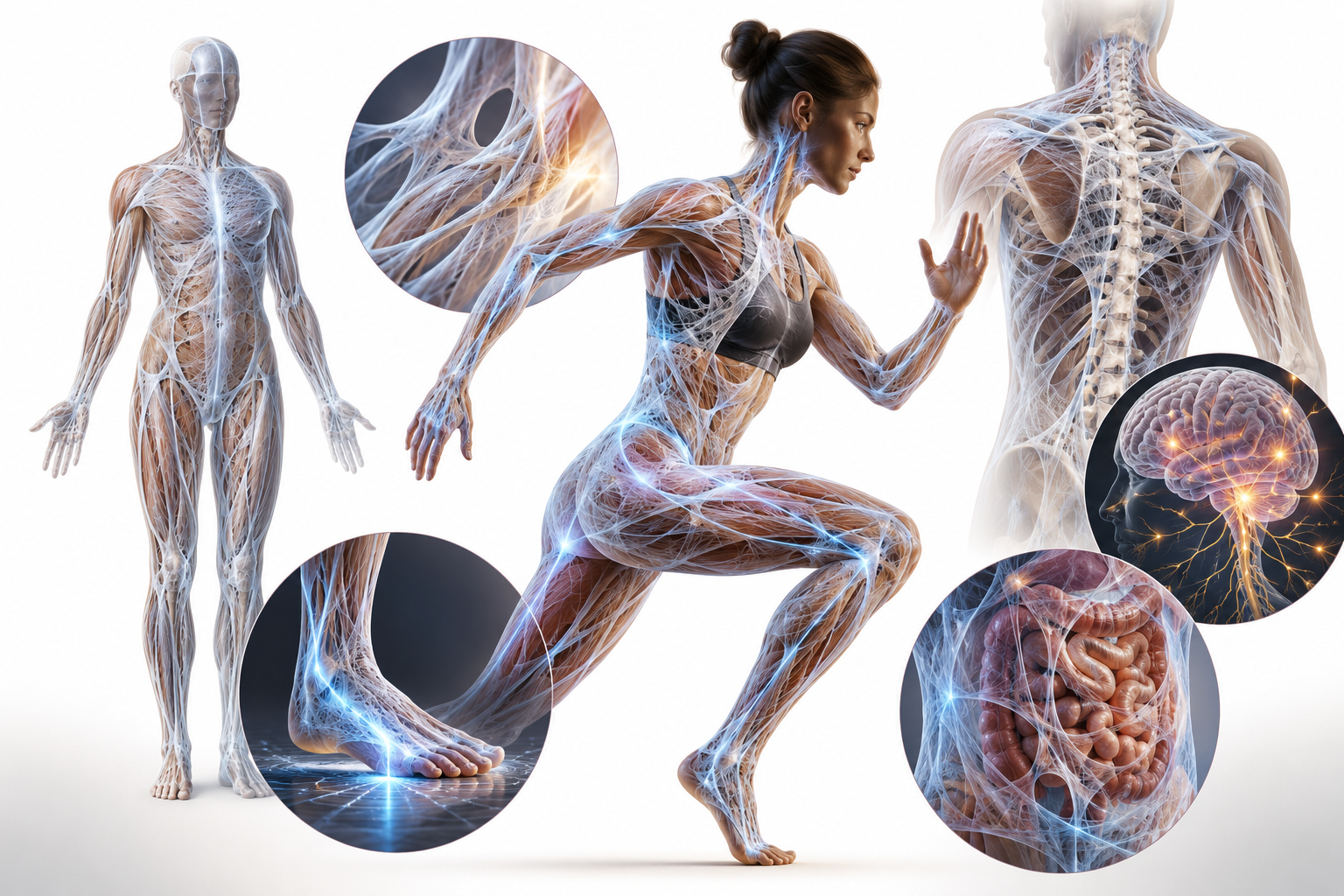
Building a Body That Lasts

You may have noticed a different theme happening at DVRT. When I began coaching people I was 19. I started DVRT around when I was 27. I share this because your views on what people need changes a lot between that period and when you’re about to turn 50.
For me, it isn’t just turning 50, but also facing some serious health challenges over the last 15 years. I’m not going to tell you some toxic positive idea like “I’m glad it happened,” but because it happened, I’ve learned so much more about how to actually help people. I think it’s a combination of having a different lived experience and reading a lot of new research on recovery, core stability, nervous system regulation, chronic pain, and more.
That’s why we aren’t getting away from our DVRT Ultimate Sandbag Training core or our Progressive Kettlebell Movement concepts and programs. We’re expanding what we know, moving beyond just building a leaner body, toward building a body that lasts.
Why One Tool or One System Was Never Enough
Early in my career, like most coaches, I thought the answer was finding the right tool and the right program. Get stronger, get leaner, move on to the next phase. That approach works fine when you’re 25 and recovering overnight. It stops working the same way when your nervous system, your joints, and your tolerance for stress have all changed, whether that change comes from age, injury, chronic illness, or just the accumulated weight of life.
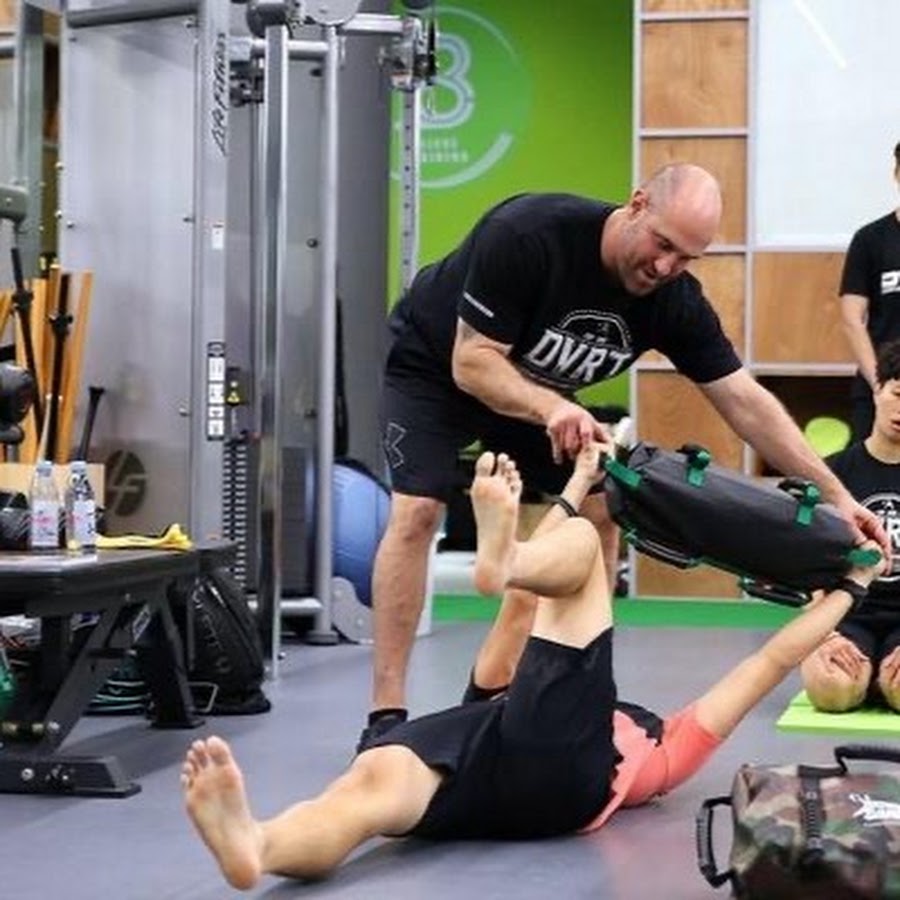
What I’ve come to understand is that no single system covers everything a resilient, long-lasting body actually needs. Ultimate Sandbag Training built the foundation, teaching the body to create and control force through a better understanding of how to train the body, developing real core stability and strength through integrated, multi-planar movement that follows what the body was designed to do in life. Progressive Kettlebell Movement added another layer, expanding what a tool like kettlebells could offer in corrective exercise, more well rounded functional strength, stability, and overall movement. Both of these systems remain core to what we teach, because the research and the results still back them completely.
But building a body that lasts means going further than force production and strength alone.
View this post on Instagram
Coach Johnny Rhodes shows how these two systems build a better way to create strength that translates to so much in our life and ability to move with efficiency.
Where Myofascial Integrated Movement Fits
This is where Myofascial Integrated Movement comes in, not as a replacement for DVRT or PKM, but as the piece that connects strength to the rest of what actually keeps a body functional and resilient for decades, not just for a training cycle.
MIM brings in the research on fascial loading and connective tissue health, breathwork and nervous system regulation, chronic pain and pain science, mindfulness, and recovery, woven directly into movement rather than treated as separate categories. It’s built on the same principle that’s always driven my coaching: the body works as an integrated system, not a collection of parts to isolate and fix one at a time.
Combine all three systems and you get something genuinely more complete. The strength and force production from Ultimate Sandbag Training. The dynamic power and ballistic control from Progressive Kettlebell Movement. And the fascial, nervous system, and recovery-focused training from MIM that helps the body actually absorb, adapt to, and recover from all of that work, instead of just accumulating wear over time.
View this post on Instagram
Coach Cory Cripe shows how we can integrate these ideas together.
What Healthy Aging Actually Requires
Here’s what my own experience and the research have both taught me: healthy aging isn’t just about staying strong. It’s about staying capable. It’s about a nervous system that doesn’t stay stuck in a protective, guarded state. It’s about recovery strategies that actually work, not just chasing doing mor. It’s about understanding chronic pain well enough to keep training through it intelligently, rather than either pushing through blindly or avoiding movement out of fear.
That requires more than heavy training days and hard conditioning. It requires breathwork that actually regulates the nervous system. It requires mobility that’s built through control, not just stretched into existence. It requires understanding how fascia really responds to training, and how pain and movement confidence are connected in ways most programming ignores entirely.
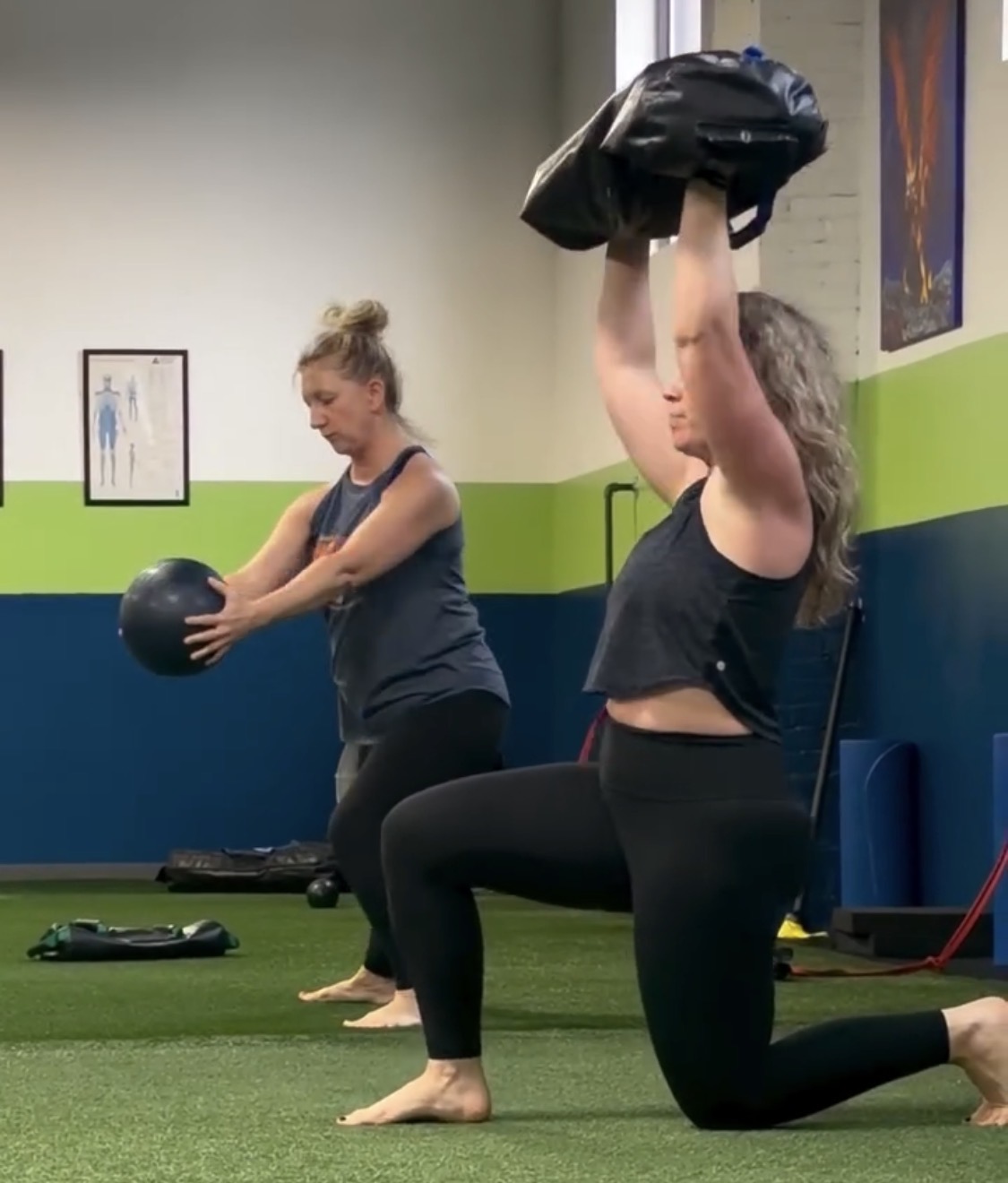
Great gyms like Fitness Lying Down shows that it isn’t choosing JUST strength, stability, mobility, and other fitness goals. Our goal is to show you how to really have it all.
None of this means abandoning what built DVRT in the first place. The Ultimate Sandbag and kettlebell work that got people stronger, more resilient, and more capable for over two decades isn’t going anywhere. What’s changing is the lens around it, built from research I didn’t have access to earlier in my career, and from fifteen years of learning what chronic health challenges actually teach you about the body, recovery, and resilience.
Combining DVRT, Progressive Kettlebell Movement, and Myofascial Integrated Movement isn’t about chasing something new for the sake of novelty. It’s about building toward something I genuinely believe matters more than how lean or strong someone looks at 30: a body, and a nervous system, capable of carrying them well into their 50s, 60s, and beyond.
That’s the body worth training for. Not just a stronger one. A lasting one.
In celebration of our new website and expanding our message of building a body that lasts, we are offering 30% ALL throughout. This includes our online educational, workout programs, and Ultimate Sandbags. Just use code “dvrt30” HERE