Simple Ways to Teach Breathwork Without Overwhelming Your Clients
Breathwork can make your training more effective, but only if we know how to teach it without making everything more complicated.
One of the biggest challenges fitness professionals face isn’t necessarily learning new exercises. It’s figuring out how to teach all the important elements of movement without overwhelming their clients.
Think about everything we ask someone to consider when learning a new exercise. Where should their feet go? How should they position their hips? What should their shoulders be doing? Are they moving at the right speed? Now, on top of all that, we want them to think about how they’re breathing!
It’s no wonder that introducing breathwork can sometimes feel like adding another layer of complexity to an already challenging process.
The irony is that breathwork is supposed to help people move better, manage stress, develop strength, and improve their overall training experience. If we’re making clients anxious about whether they’re breathing correctly, we may be undermining some of those benefits.
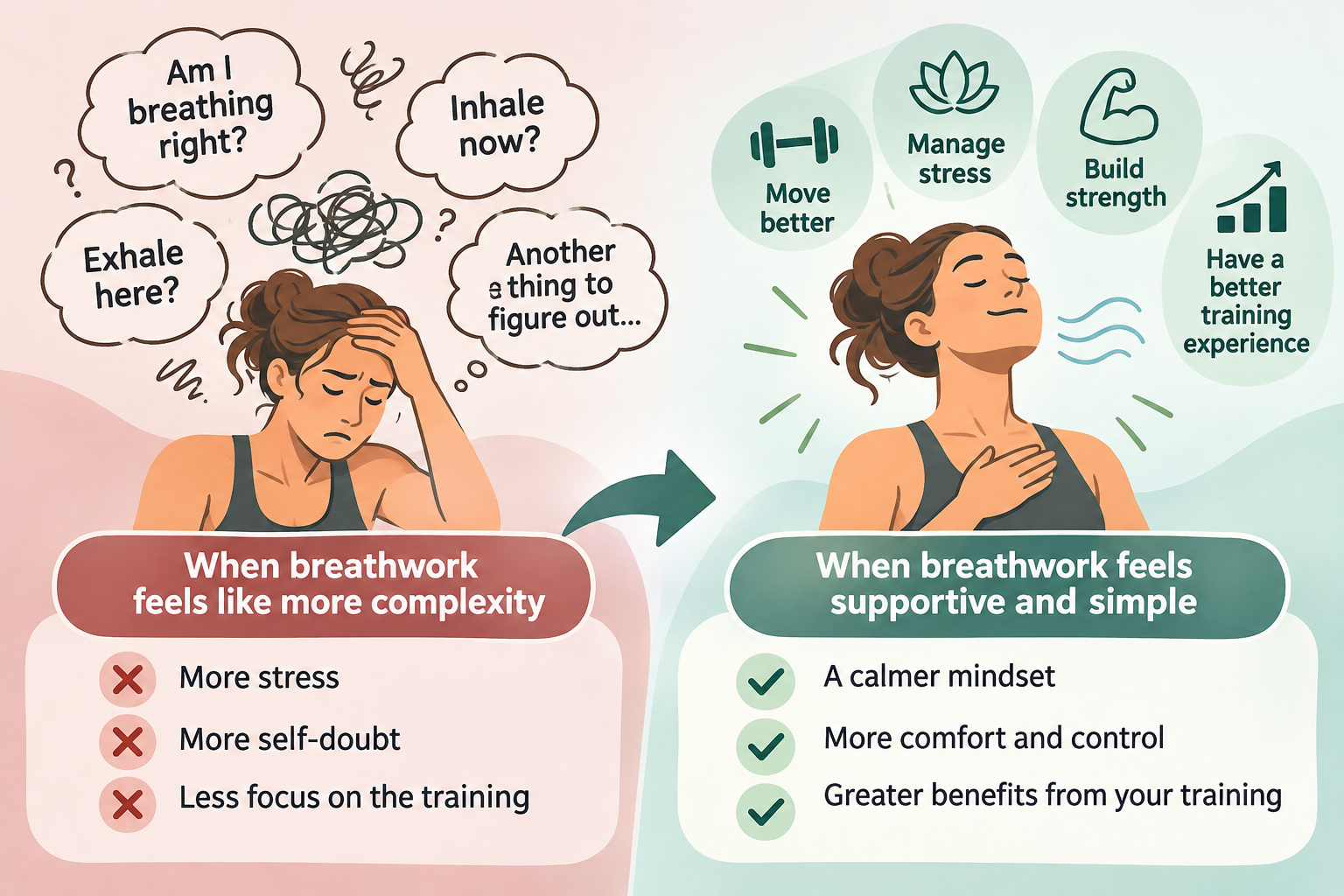
Fortunately, we don’t need to teach breathing during every exercise to take advantage of its benefits. In fact, being more strategic about when and how we introduce breathwork can make it far more effective.
Here are three practical ways to make breathing a natural part of your training programs.
Use Your Warm-Up to Connect Breathing and Mobility
The warm-up may be one of the best opportunities to introduce breathwork because we’re typically moving more slowly, using less load, and focusing on improving movement quality.
Instead of asking clients to coordinate complex breathing patterns during demanding exercises, we can use simple mobility drills to help them experience how breathing influences movement.
For example, have someone move into a comfortable stretch or mobility position. Rather than immediately pushing for greater range of motion, encourage them to pause, take a slow breath, and see whether they can soften unnecessary tension as they exhale.
The goal isn’t to force greater mobility but to help them become more comfortable exploring the range of motion they already have.
Research suggests that breathing strategies can complement stretching and mobility training, although the evidence that adding breathing consistently produces greater improvements than stretching alone remains limited. We also know that improvements in flexibility often involve changes in stretch tolerance and the perception of discomfort, not simply lengthening tissues.
This makes breathing a potentially useful way to help clients explore movement without feeling that they must force themselves into positions.
The coaching takeaway: Start with one or two mobility drills, use simple breathing cues, and let clients experience the connection rather than over explaining the science.
Teach Power Breathing During Exercises With Clear Starts and Stops
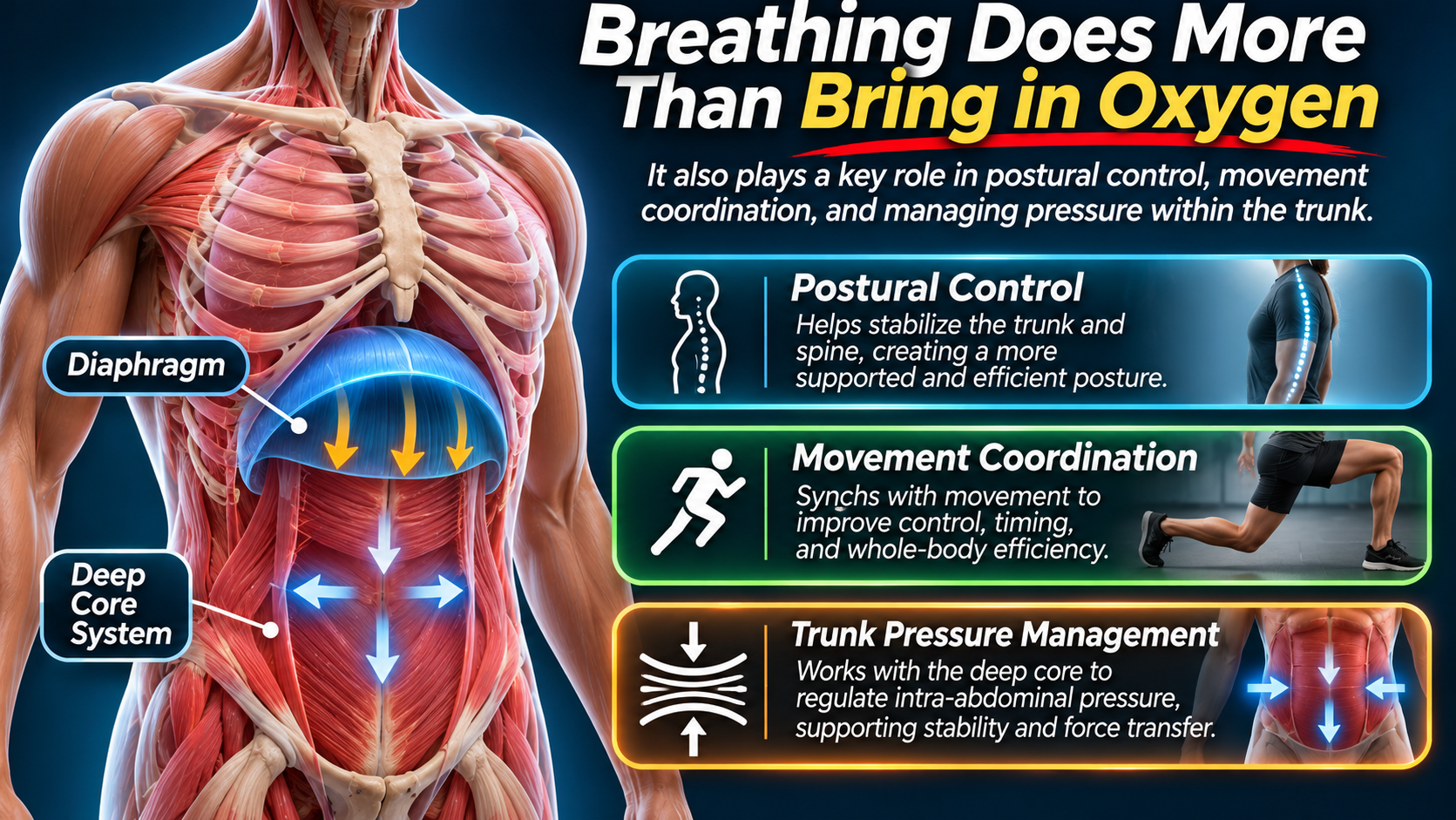
Breathwork isn’t always about relaxation. One of its most important applications is helping us create stability and manage pressure during strength training.
However, teaching someone to coordinate breathing during a complex kettlebell flow, rotational exercise, or continuous movement sequence can be difficult.
That’s why exercises with clear starting and stopping points can be such valuable teaching opportunities.
Consider a deadlift, squat, or standing press. These exercises allow clients to establish their position, organize their posture, and prepare their breathing before initiating movement.
We can teach them how to coordinate the diaphragm, abdominal wall, and trunk musculature to create the pressure and stiffness needed to manage external loads.
Research on intra-abdominal pressure and trunk muscle function supports the importance of these mechanisms in spinal stabilization. The appropriate breathing strategy, however, depends on the exercise, load, individual, and training goal.
For example, a client learning a light deadlift may benefit from exhaling during the lifting phase, while someone handling heavier loads may use a brief breath hold combined with abdominal bracing.
Neither strategy needs to become a universal rule.
Slower exercises and those with distinct repetitions also give clients time to practice the relationship between breathing, positioning, and force production without trying to manage too many things simultaneously.
The coaching takeaway: Teach breathing where clients can establish their position first, practice creating stability, and gradually coordinate their breath with greater movement demands.
Finish Your Workout With Breathing and Mind-Body Movement
We often spend considerable time discussing how to prepare people for exercise but much less time considering how we help them transition out of a demanding training session.
After challenging strength or conditioning work, clients may still be breathing rapidly, experiencing elevated heart rates, and feeling physically and mentally stimulated.
This creates another valuable opportunity to use breathwork.
Rather than simply having clients lie on the floor and perform breathing exercises, we can combine comfortable breathing with one to three easy, flowing movements.
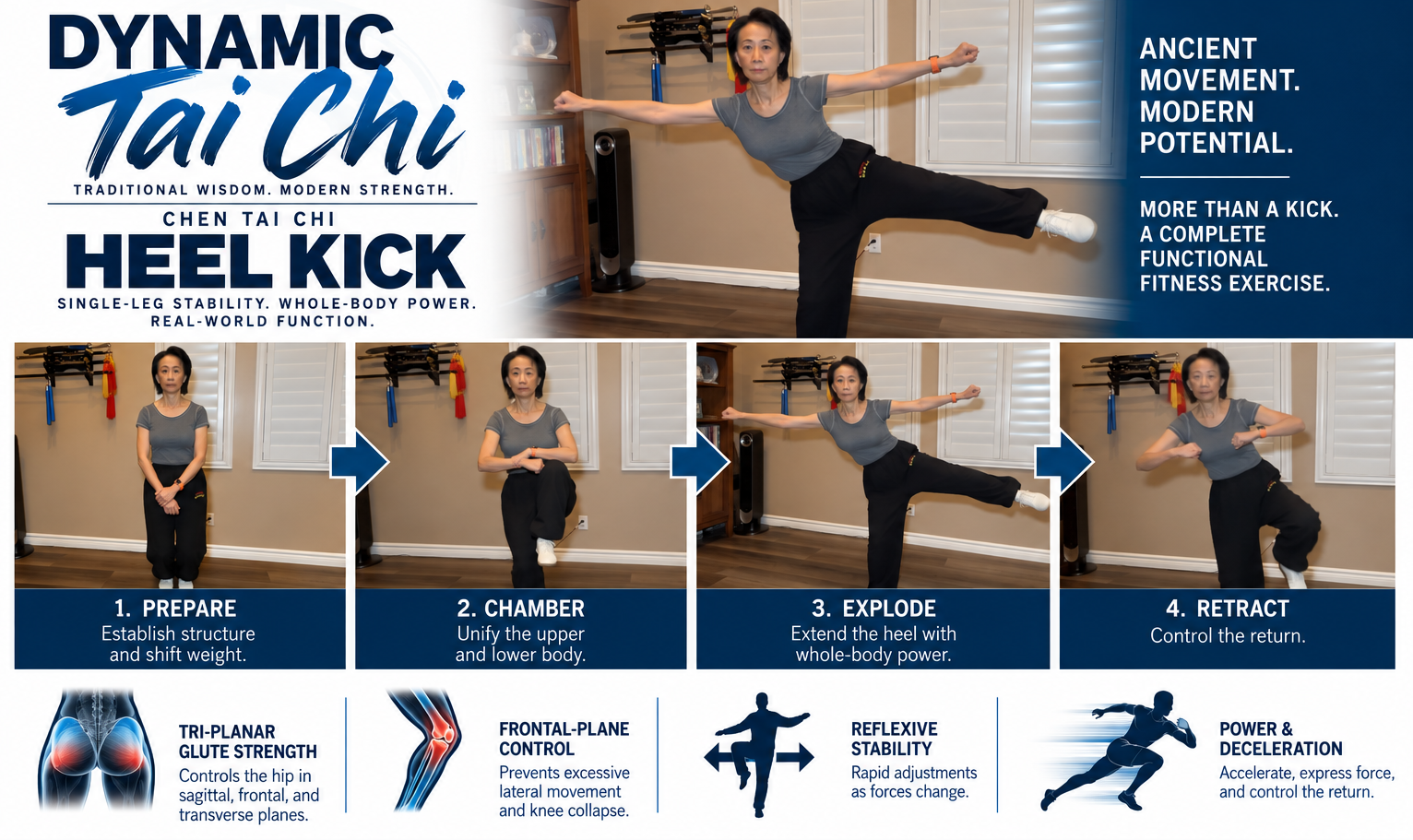
These might include gentle standing mobility patterns, controlled weight shifts, or simple mind-body fitness exercises.
Research on mind-body exercise suggests these practices can improve perceived stress, autonomic regulation, and measures of heart rate variability. Some studies have also reported favorable changes in inflammatory markers.
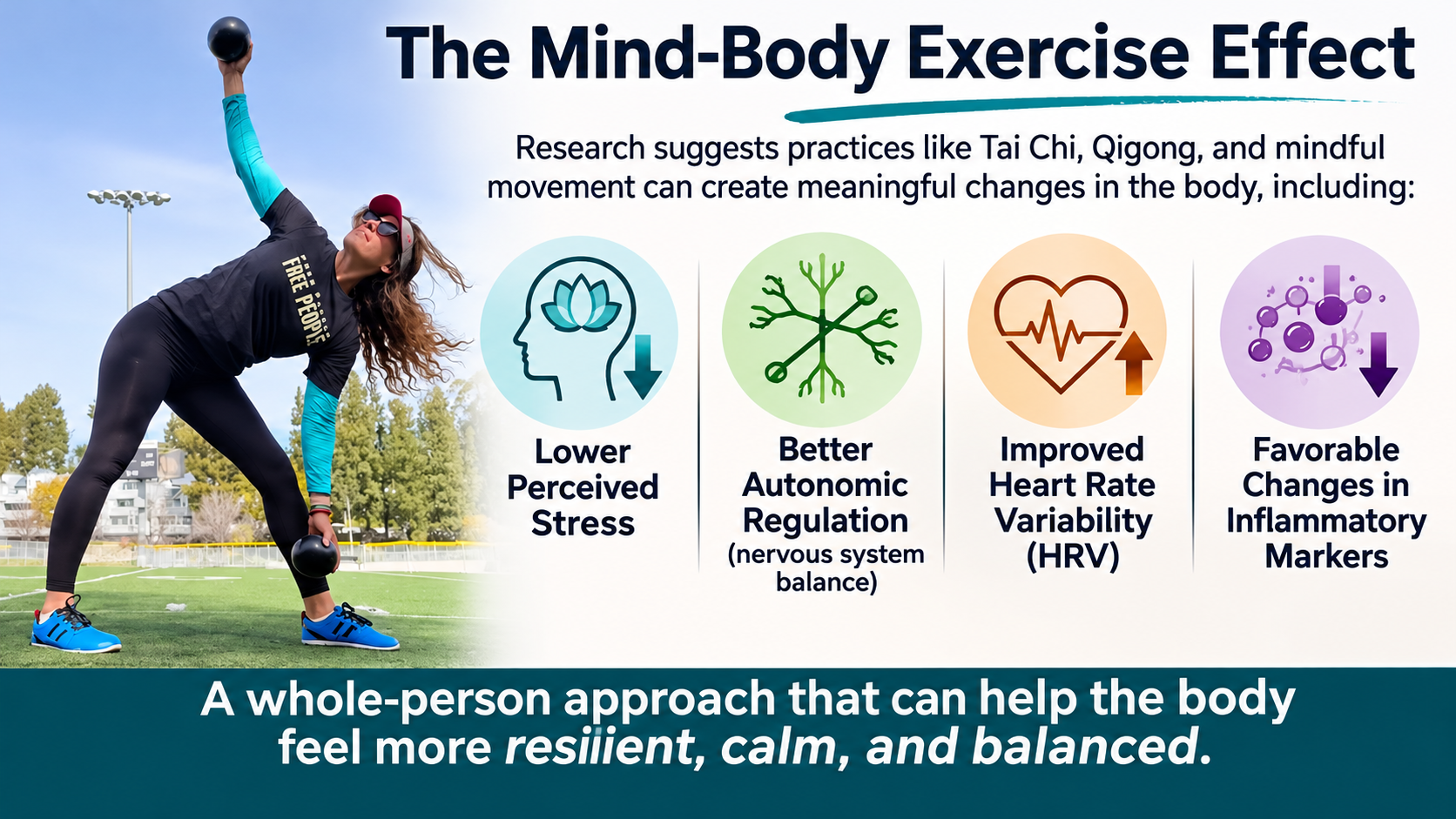
The important point is that we can help clients transition from demanding exercise toward a calmer state without introducing another complicated routine.
A few minutes of slow, comfortable movement paired with natural breathing can become an accessible recovery practice that clients may actually enjoy.
The coaching takeaway: Choose one to three familiar movements, reduce the intensity, and encourage comfortable breathing rather than prescribing a rigid pattern.
Make Breathing a Tool, Not Another Rule
Perhaps the biggest mistake we can make when introducing breathwork is treating it as something clients must constantly think about.
Breathing should support movement, not compete with it for attention.
By using the warm-up to explore mobility, strength exercises to teach pressure and stability, and the end of the workout to encourage recovery, we can introduce different breathing strategies when they make the most sense.
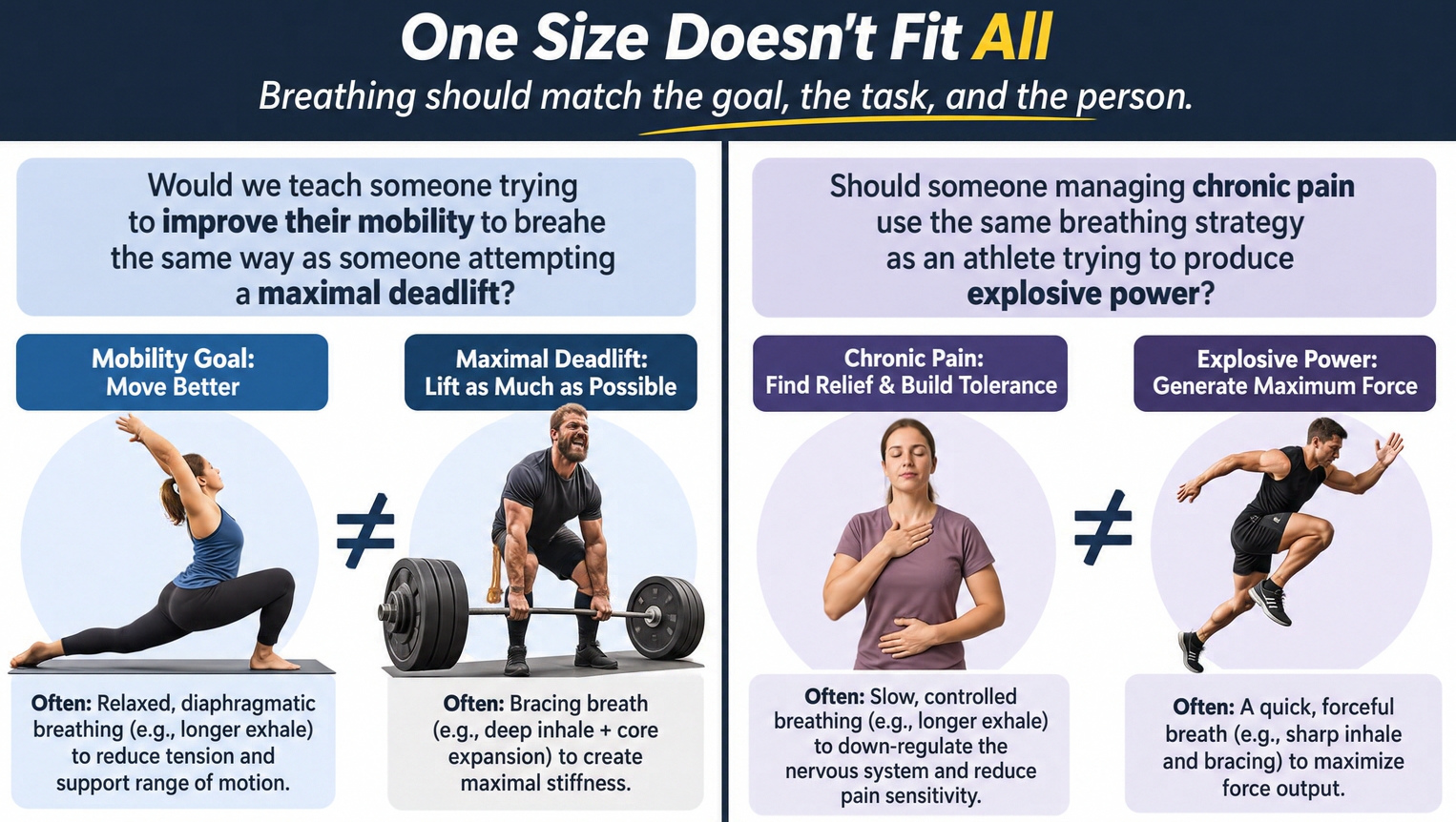
This also teaches clients an important lesson: there isn’t one perfect way to breathe for every activity.
The way we breathe when trying to relax is not necessarily the way we should breathe when lifting a heavy weight or performing an explosive movement.
When we stop trying to teach everything at once, we make breathwork easier to understand, more practical to apply, and ultimately more valuable to the people we’re trying to help.
That’s how we make breathing an integrated part of better training rather than another thing our clients have to worry about.
Discover SO much more at our 2-week online Coach’s Corner “Beyond The Breath” program starting November 24th. You can save 30% with code “breath30” HERE