The Overlooked Single-Leg Exercise That Trains Stability, Power, and Coordination at Once

What if one of the most sophisticated exercises for developing single-leg stability, core control, lateral strength, and whole-body coordination wasn’t invented in a modern gym, but had been practiced for generations in Chen-style Tai Chi?
That’s exactly what the heel kick, offers strength coaches, physical therapists, and movement professionals, if we’re willing to look past the common assumption that Tai Chi is just slow movement for relaxation or balance. There’s a reason this pattern has survived and been refined across generations of practice: it asks the body to do an enormous amount of integrated work inside a single, continuous movement.
Here’s what you actually get out of training the heel kick, and why it’s worth a serious look regardless of your background:
A genuine test of single-leg stability and hip control, not a static hold, but stability that has to be organized and maintained while the rest of the body is actively moving around it.
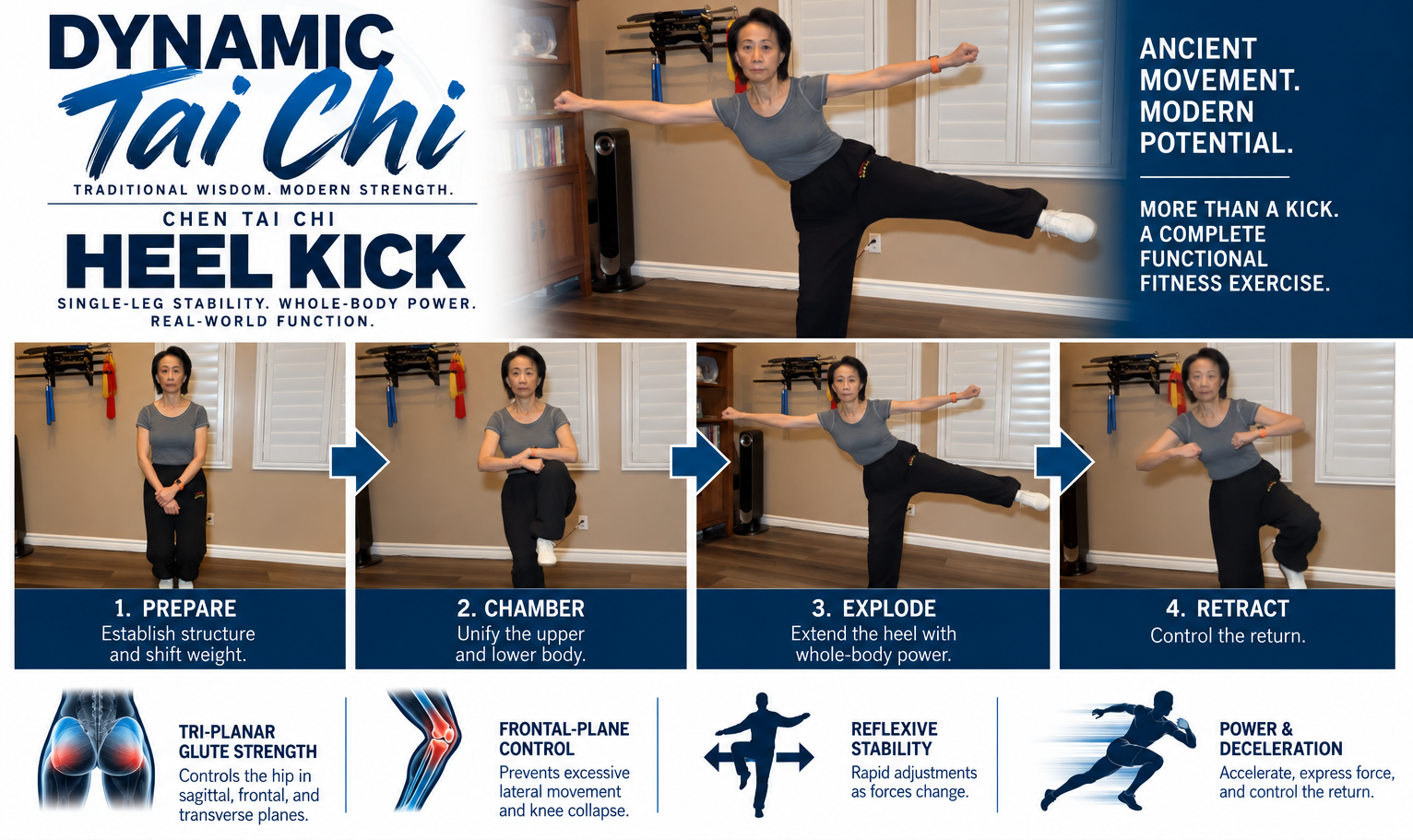
Reflexive stability most gym exercises never touch. The nervous system has to anticipate the kicking leg’s movement, adjust postural muscle activity before and during the kick, and respond continuously to a shifting center of mass, developing adaptable postural control rather than a fixed balance position.
Frontal-plane strength that’s chronically undertrained. The supporting hip has to manage the pelvis and trunk’s tendency to drift laterally the entire time the opposite leg is moving, building lateral stability that carries over to cutting, stepping, and changing direction.
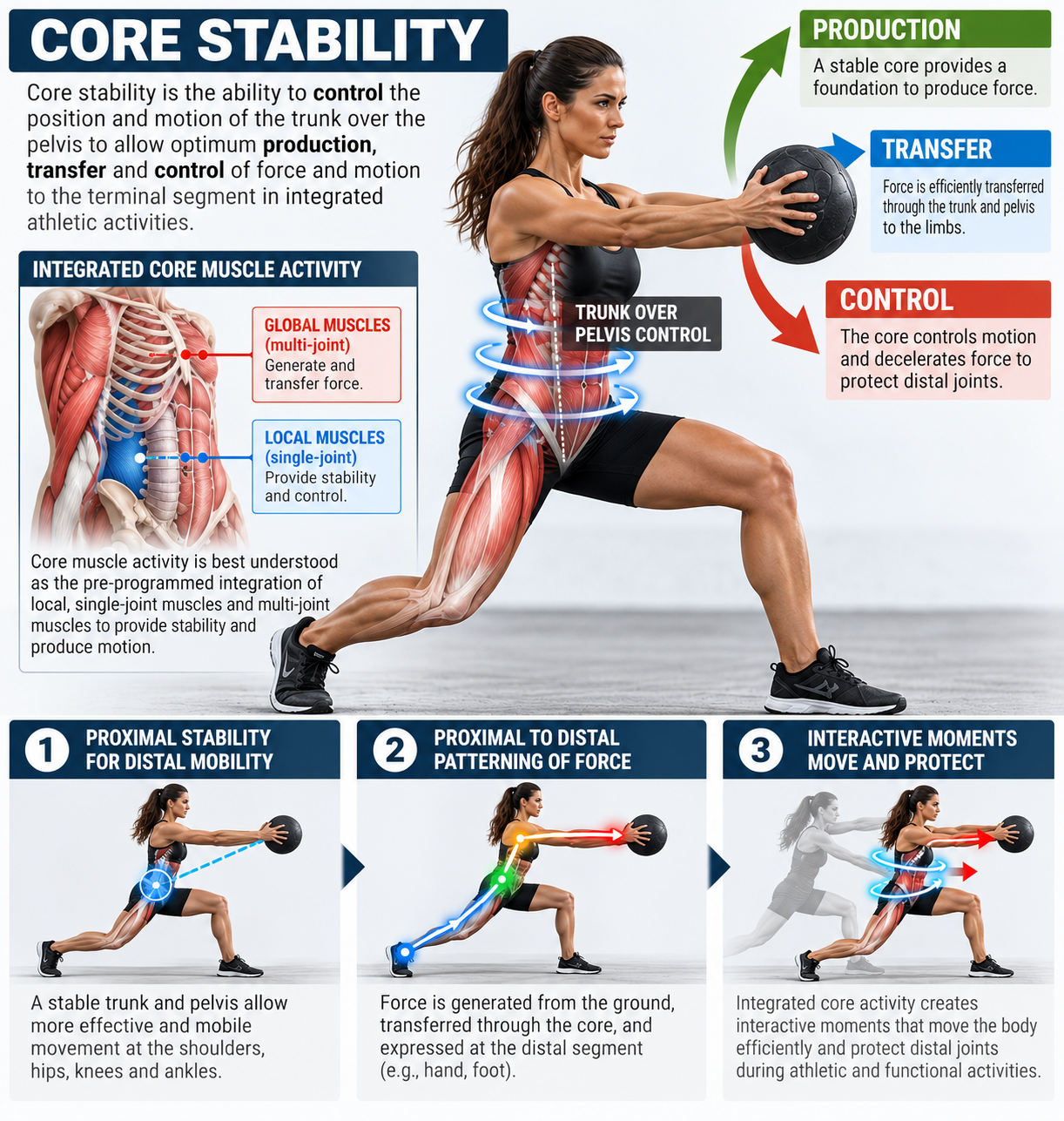
Core stability as true trunk organization, not just bracing. The obliques, transversus abdominis, spinal stabilizers, and diaphragm all have to coordinate to stabilize the trunk and pelvis while the limbs move freely around that stable center.
A clear bridge between rooted stability and real force expression. The sequence of establishing support, organizing the joints above it, and then extending the leg with intent mirrors exactly how the body is supposed to generate power from a stable base, whether that power shows up in a kick, a jump, or a sprint.
The value here was never just the kick itself. It’s the preparation, the execution, and the controlled return, three phases most fitness exercises isolate separately, trained together in one pattern.
Reading about the heel kick is one thing. Watching Master Teacher Violet Li demonstrate it is another entirely.
Watching Master Teacher Violet Li demonstrate the heel kick reveals why technical mastery matters. As a 12th-generation Chen-style Tai Chi inheritor and disciple of Grandmaster Chen Zhenglei, Violet brings a depth of understanding that goes far beyond simply performing the movement.
Watch how she establishes her supporting leg before lifting the opposite foot. Notice how the arms and trunk organize together, how the pelvis remains controlled, and how the kick finishes without sacrificing postural stability.
These details demonstrate something fitness professionals sometimes overlook: movement quality isn’t simply about achieving a position. It’s about how the body transitions into, maintains, and exits that position.
This is the gap between knowing a movement exists and understanding why it works. A fitness professional can learn the sequence, foot, ankle, knee, hip, pelvis, trunk, and still miss the nuance that makes the heel kick valuable as a teaching tool. Violet’s role here is to close that gap. She shows the authentic expression of the movement, not a fitness-world approximation of it, and in doing so helps us appreciate why Chen Tai Chi practitioners have refined this pattern across generations.
Her demonstrations also highlight something we emphasize constantly: the preparation matters as much as the kick itself. Violet doesn’t rush into the motion. She shows the controlled weight transfer, the settling into the standing leg, the quiet organization of the trunk, all before the kicking leg ever lifts. That sequencing is exactly what makes the heel kick valuable for stability and motor control, and it’s far easier to appreciate watching an experienced practitioner than reading a biomechanical description of it.
It’s about developing the ability to:
– Transfer weight without losing postural control.
– Organize the trunk and pelvis before initiating movement.
– Coordinate upper- and lower-body actions.
– Produce force without sacrificing balance.
– Decelerate and return to the starting position with control.
Connect the Heel Kick to Contemporary Fitness
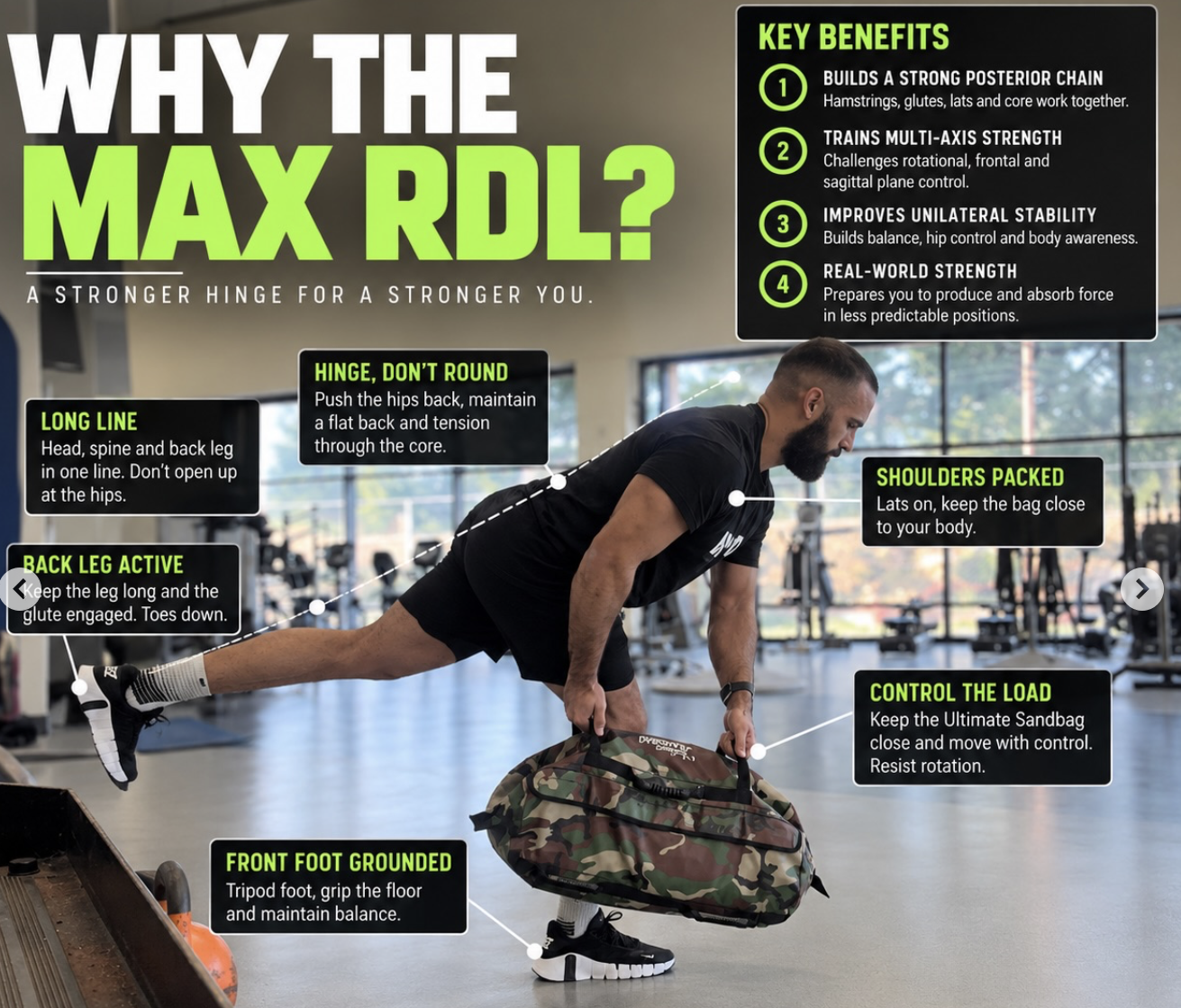
One of the most useful ways to understand the heel kick’s value is to see how it overlaps with exercises strength coaches already use, each one typically addressing a single quality in isolation, while the heel kick asks the body to coordinate several of them together.
| Fitness Exercise | Related Quality in the Heel Kick |
|---|---|
| Single-leg deadlift | Single-leg stability and hip control |
| Step-up | Weight transfer and lower-body coordination |
| Lateral lunge | Frontal-plane stability |
| Pallof press | Trunk rotational control |
| Single-leg balance | Postural control and sensory integration |
| Marching variations | Hip flexion and contralateral coordination |
| Dynamic kicking drills | Coordinated force expression |
To be clear, this isn’t a claim that these exercises are interchangeable with the heel kick, or that one replaces the value of the others. It’s that the heel kick layers these demands on top of each other within a single, continuous movement, rather than isolating them into separate exercises across a program. That’s precisely why it functions so well as an integrated teaching tool: it gives coaches and clients a single pattern that touches on qualities normally trained one at a time.