The Problem With Trying to Fix Every Muscle Imbalance

Early in my career as a strength coach, I attended a well-known corrective exercise certification program. Like many young trainers, I was excited to learn everything I could about helping people move better, reduce pain, and become stronger. The program seemed to offer a logical approach: assess someone’s posture, identify muscle imbalances, determine which muscles were tight or weak, and then create exercises to correct those problems.
It sounded incredibly scientific. If someone’s shoulders rounded forward, certain muscles must be tight while others were weak. If their knees moved inward during a squat, there was probably a muscle that wasn’t doing its job. If their pelvis tilted a certain way, we needed to identify the offending muscles and correct them.
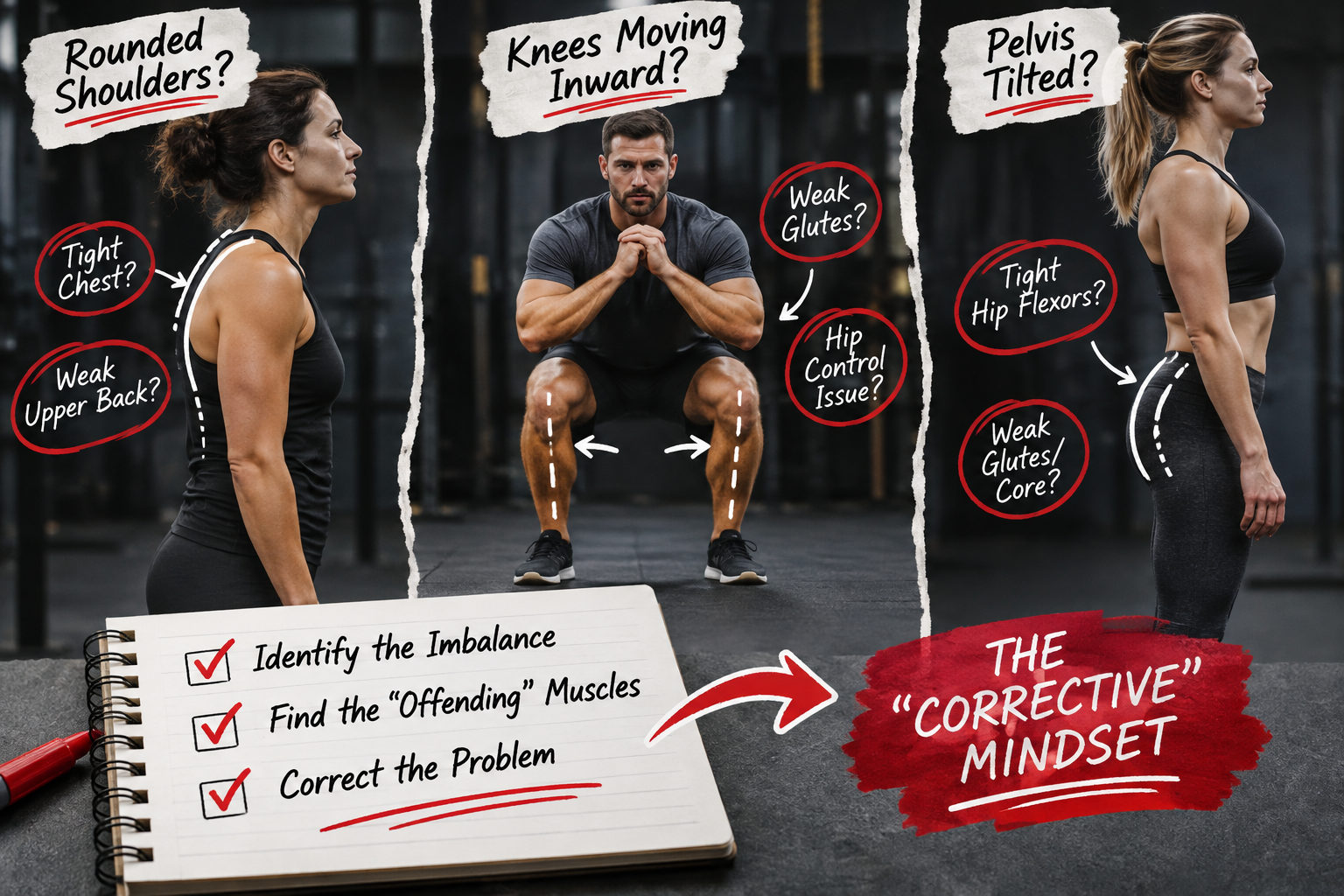
I came away believing that becoming a better coach meant becoming better at finding everything that was wrong with someone’s body.
There was just one problem. It wasn’t working nearly as well as I had been led to believe.
When Corrective Exercise Becomes the Entire Workout
I began spending enormous amounts of time trying to address individual muscles. Clients would perform isolated activation exercises, stretch supposedly tight muscles, and work through corrective drills before we could even begin what they considered their actual workout.
Not only was I frustrated by the lack of meaningful progress, but my clients weren’t enjoying themselves either. They had come to me because they wanted to get stronger, feel better, and become more capable. Instead, I was giving them an increasingly complicated list of things that were supposedly wrong with their bodies.
Looking back, I realize that I was unintentionally teaching people to view their bodies as collections of problems that needed fixing.
The more I learned about human movement, the more I began questioning this approach. Were these differences in muscle strength, posture, and movement really the causes of people’s problems?
What Does the Research Actually Tell Us?
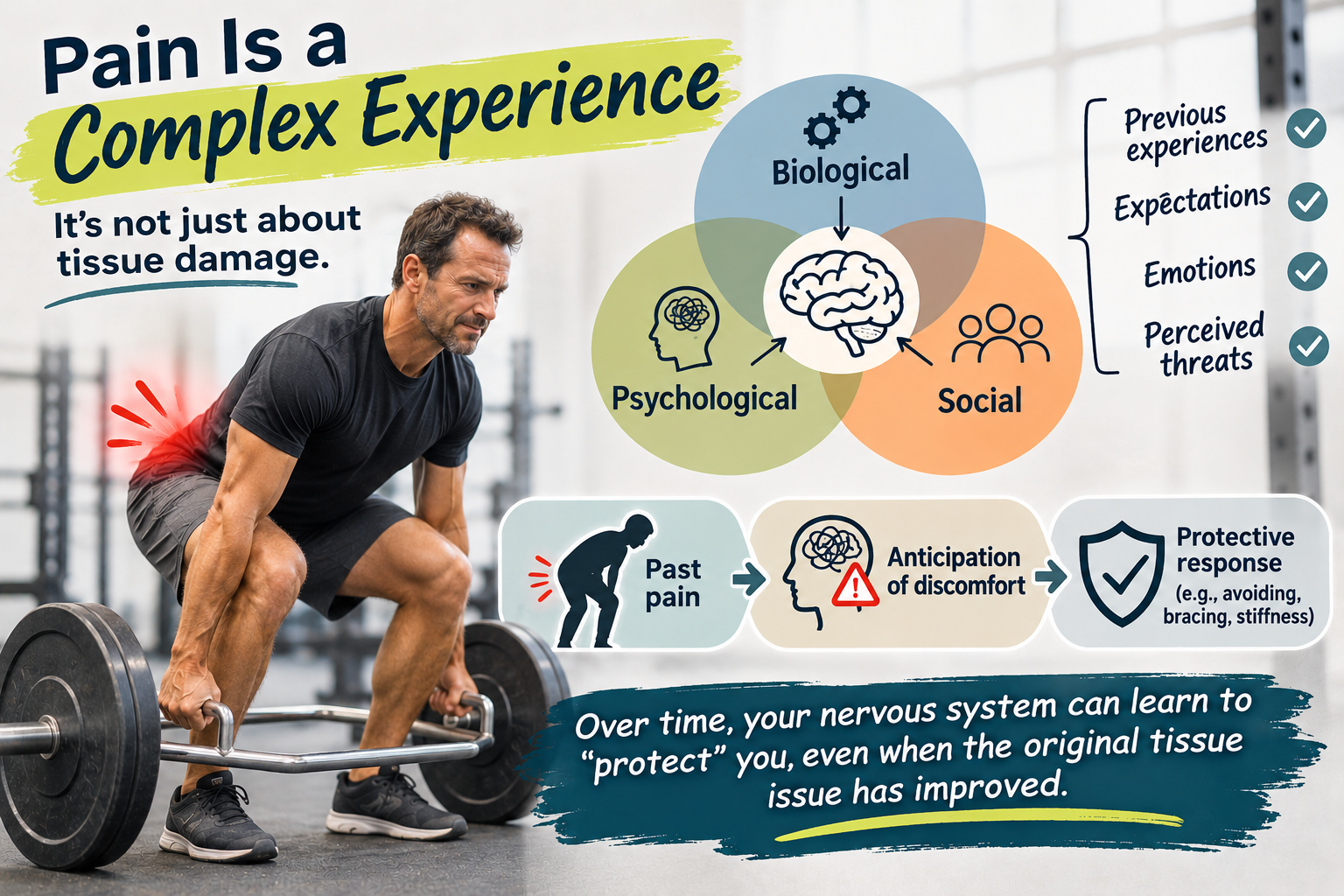
One of the biggest challenges with the traditional muscle imbalance model is that it often assumes a direct relationship between posture, muscle function, and pain. However, research suggests these relationships are far more complicated.
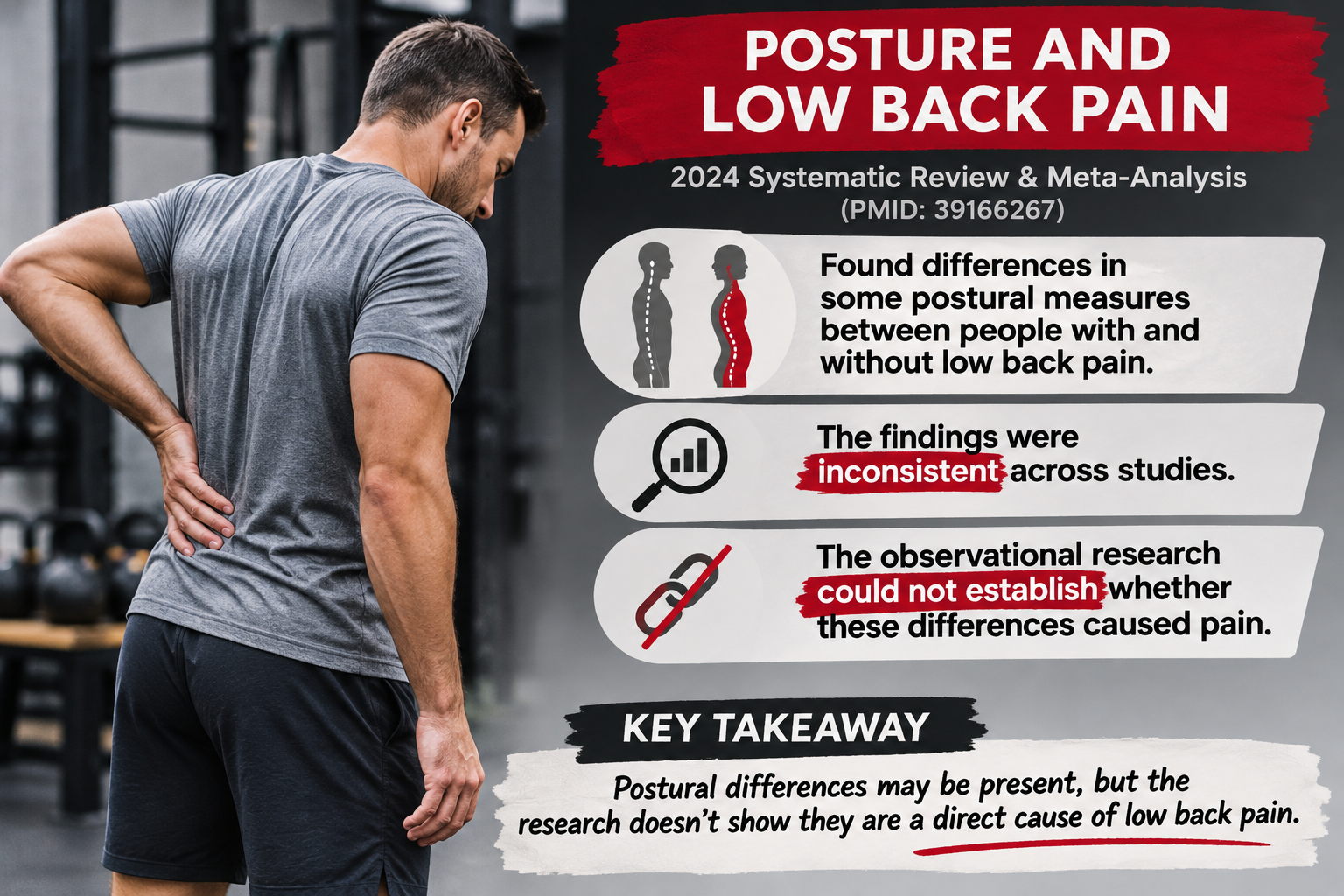
For example, a 2024 systematic review and meta-analysis examining posture and low back pain found differences in some postural measures between people with and without pain. However, the findings were inconsistent, and the observational research could not establish whether these differences caused pain (PMID: 39166267).
Similarly, a 2021 systematic review and meta-analysis examining scapular dyskinesis in athletes found that altered shoulder blade movement was not significantly associated with future shoulder injury (PMID: 33211975).
Does this mean posture, muscle strength, or movement mechanics don’t matter at all? Of course not. It means identifying a difference doesn’t automatically mean we’ve identified a dysfunction, much less the cause of someone’s pain.
Human beings aren’t perfectly symmetrical machines. We have different anatomies, movement histories, physical demands, and adaptations. Someone who has spent years playing tennis may have meaningful differences between their dominant and nondominant arms. Those differences aren’t automatically problems requiring correction.
The important question isn’t whether we can find an imbalance. It’s whether that difference is actually limiting someone’s ability to do what they want or need to do.
The Body Doesn’t Work One Muscle at a Time
Perhaps the biggest turning point in my coaching came when I began studying how the body is actually organized to produce movement.
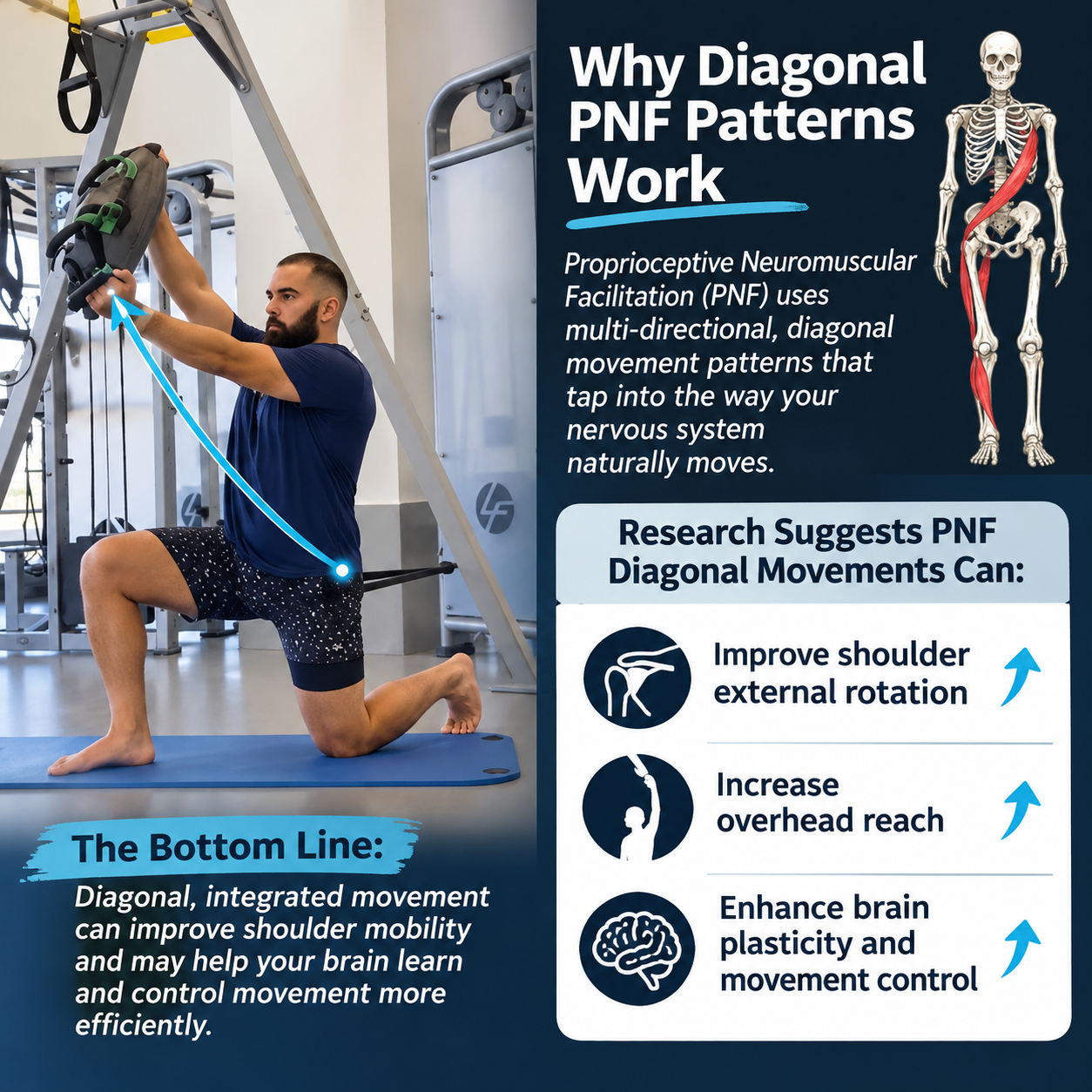
Our muscles don’t operate as independent pieces. They work through coordinated relationships involving the nervous system, connective tissues, joints, and the forces we experience during movement.
Think about something as simple as picking up a heavy object. Your body doesn’t consciously activate one isolated muscle, then another, and then another. Multiple muscle groups coordinate their activity to create stability, produce force, and control movement.
This doesn’t mean isolated strengthening exercises are useless. They can be incredibly valuable, especially when someone is coming back from something like surgery. The problem arises when we assume that every movement challenge must be solved by identifying and correcting an individual muscle.
I began to realize that rather than constantly trying to fix individual pieces, I could help people become stronger and more coordinated by training the relationships between those pieces.
This became one of the foundational ideas behind our DVRT approach to functional strength training. What I learned some of the best corrective exercises and “fixes” for people is just really good strength training that trains the body as it is designed to function.