Why Single-Leg Deadlifts May Be One of the Most Underrated Strength Exercises
Jessica Bento, Physical Therapist

What if I told you that lifting heavier weights doesn’t necessarily mean you’re challenging your muscles more effectively?
As a physical therapist, one of the things I find most interesting about strength training is how often we confuse the amount of weight we’re lifting with how effectively we’re training our bodies.
Traditional squats and deadlifts are excellent exercises. However, we sometimes assume that because we can lift more weight using both legs, those exercises must automatically be better for developing our glutes, hamstrings, and overall lower-body strength.
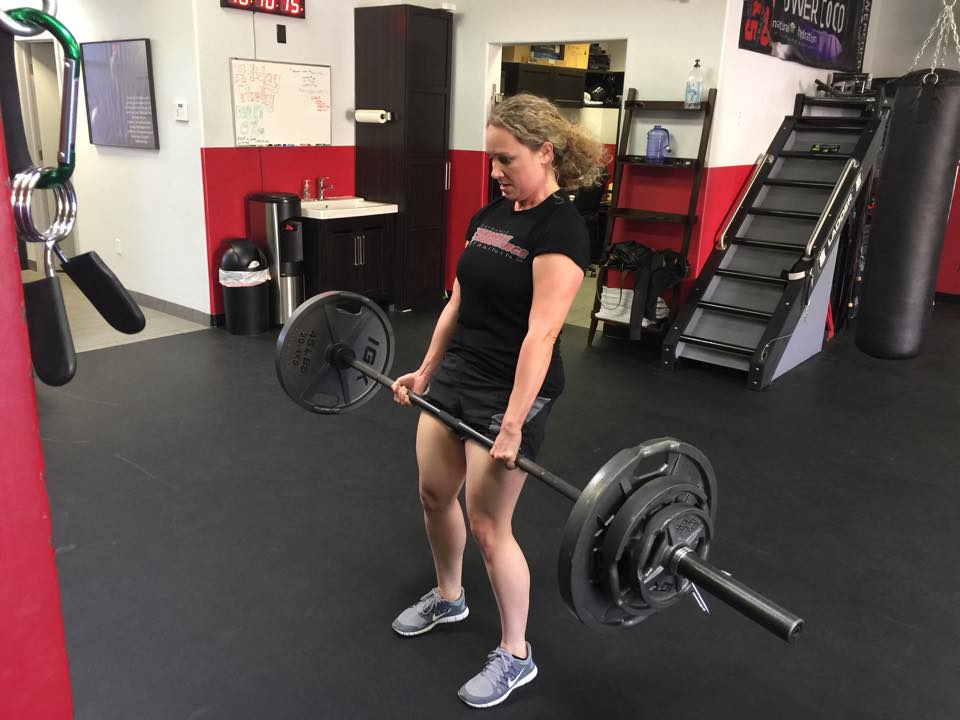
Research suggests the story is more complicated.
A 2021 study published in the International Journal of Exercise Science found that single-leg deadlifts produced greater muscle activation in certain gluteal and hamstring muscles compared with heavier bilateral deadlifts.
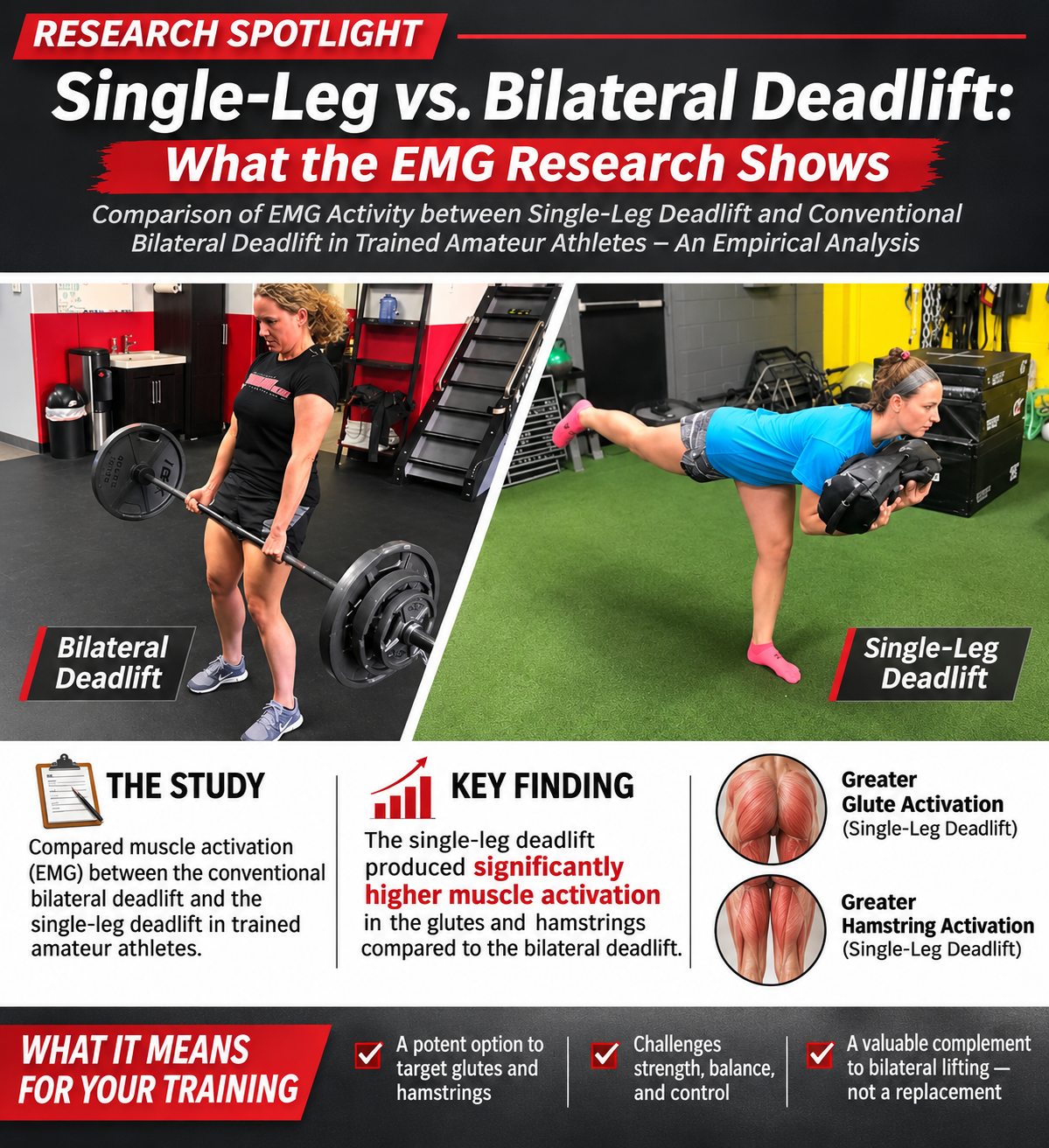
Other research examining exercises such as step-ups, lunges, and single-leg good mornings has demonstrated that unilateral movements can create substantial demands on the glutes, sometimes exceeding those observed during traditional bilateral exercises.
Does this mean single-leg deadlifts are superior for everyone? Absolutely not!
Muscle activation doesn’t automatically tell us how much strength or muscle growth an exercise will produce. However, these findings challenge the idea that heavier external loads always create a greater muscular challenge.
More importantly, they help us appreciate something that often gets overlooked in strength training: muscles don’t just produce movement. They also help control it.
Why Single-Leg Deadlifts Are About More Than Your Glutes and Hamstrings
Think about what happens when you perform a traditional deadlift with both feet on the ground.
You have a relatively wide base of support, allowing your body to distribute forces between both legs while maintaining your position.
Now imagine performing that same hip-hinging movement while standing on only one leg.
Suddenly, the demands change dramatically.
Your foot and ankle must respond to changes in pressure. Your glutes help control the position of your pelvis and femur. Your hamstrings contribute to the hip-hinging movement, while your trunk muscles help manage unwanted rotation and maintain your balance.
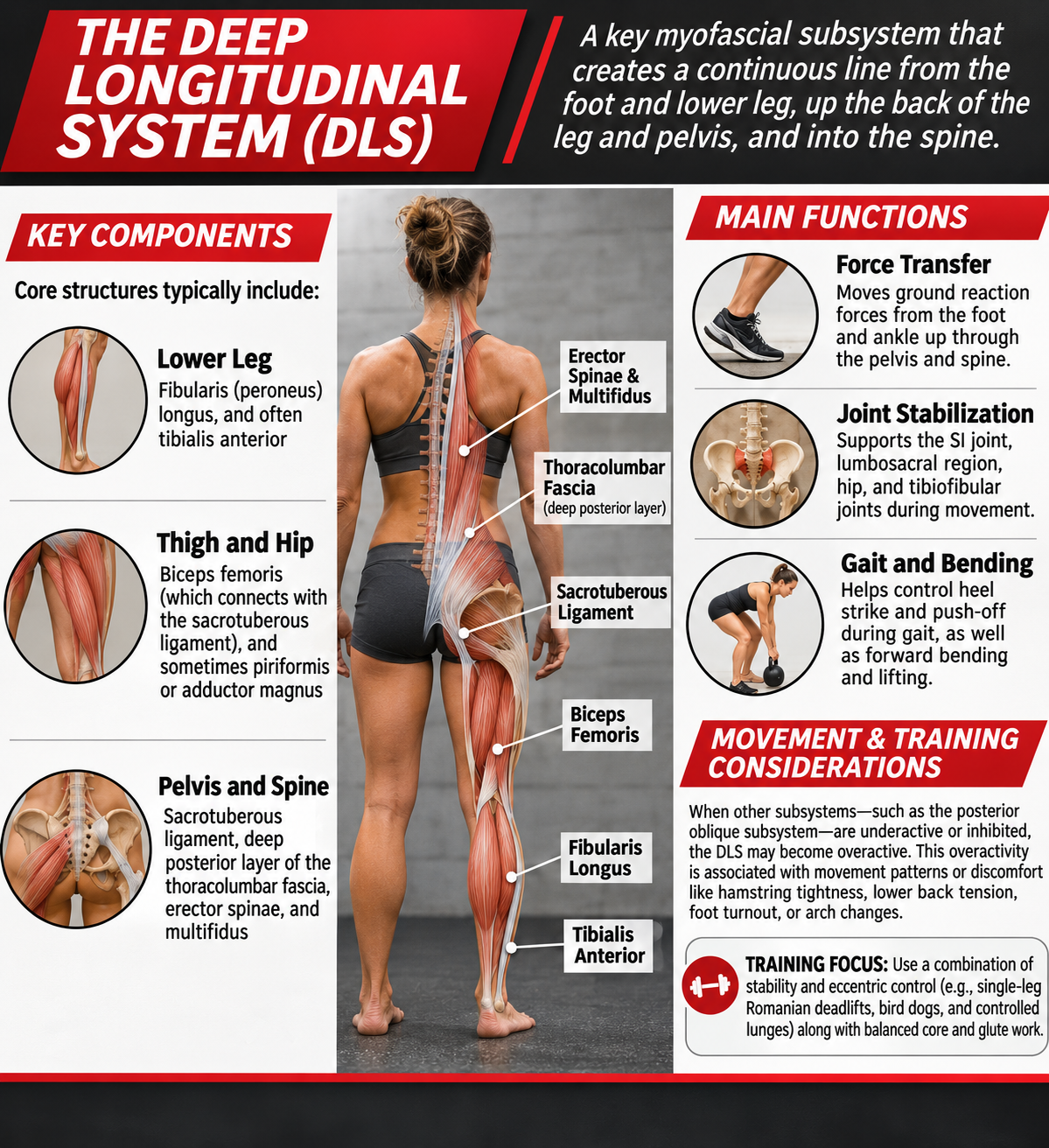
All these systems must coordinate while you’re producing force.
This is one reason I love single-leg deadlifts. They challenge strength, balance, coordination, and stability simultaneously.
And because so many everyday activities involve supporting ourselves on one leg, developing these abilities has practical relevance beyond the gym.
However, there’s a problem.
Many people struggle with single-leg deadlifts, and the ways we try to make them easier don’t always teach the skills we want to develop.
The Problem With Using a Wall for Stability
One increasingly popular progression involves placing the back foot against a wall while performing a single-leg deadlift.
I understand why coaches use this strategy.
It provides an external point of contact, reduces balance demands, and allows someone to concentrate on the hip hinge.
But I think we need to ask a more important question.
What exactly are we trying to teach?
Performance coach Dr. Brandon Marcello has discussed the concept of artificial stability, where an external support helps someone maintain control rather than requiring them to create that control independently.
When someone presses their back foot into a wall, the wall provides additional sensory information and mechanical support.
That isn’t inherently bad. External assistance can be useful during rehabilitation or when someone is learning a new movement. There is a difference between external assistance helping us teach how to progress in the movement and just balancing us making using them less far more difficult.
However, if our goal is to improve the body’s ability to coordinate balance and stability during unsupported single-leg movement, relying on the wall may limit how much of that specific challenge we’re practicing.
This helps explain why someone might perform the exercise beautifully against a wall but struggle when the wall disappears.
Their muscles haven’t suddenly become weaker.
The movement problem has changed, and they haven’t yet developed the skills to solve it independently.
View this post on Instagram
How We Build Better Single-Leg Deadlifts
In our DVRT programs, we approach single-leg deadlifts a little differently.
Rather than immediately removing the balance challenge, we look for ways to simplify the movement while helping people develop the coordination necessary to progress.
Here are several strategies I particularly like.
1. Start With a Kickstand Deadlift
Instead of immediately lifting one foot completely off the ground, begin with a sprinter stance.
Place most of your weight through the front leg while allowing the back foot to provide light assistance.
This reduces the balance challenge while introducing greater demands on the working hip.
As control improves, gradually reduce how much assistance you’re getting from the back leg.
2. Use the Ultimate Sandbag to Create Tension
One of my favorite strategies is having someone hold an Ultimate Sandbag by its handles and actively pull them apart.
This creates tension through the upper body and can help someone coordinate their lats and trunk muscles while hinging.
Why does this matter?
Because our core isn’t simply responsible for preventing movement. It helps regulate stiffness and coordinate forces between the upper and lower body.
Creating appropriate tension can provide useful feedback and make it easier to organize the movement without relying on an external support.
3. Use Bands to Improve Awareness
Resistance bands can provide directional feedback that helps someone recognize how they’re shifting their weight or controlling their position.
For example, carefully applied band resistance can encourage someone to maintain pressure through the stance foot while controlling their hip and pelvis.
The goal isn’t to pull someone into the correct position.
It’s to help them recognize and actively create that position themselves.
4. Progress With Gliders and Loading Positions
Gliders can be useful because they allow us to gradually reduce assistance from the nonworking leg while practicing the hip hinge.
We can also change where we hold the Ultimate Sandbag to create different demands on the trunk and hips.
A centered load may be easier to control, while an offset loading position can increase the challenge of resisting rotation.
These progressions allow us to manipulate stability demands without simply making the exercise heavier.
View this post on Instagram
Better Progressions Create Better Movement Skills
One of the biggest mistakes we make in exercise programming is assuming that progressions should only make movements harder.
Sometimes the most effective progression is one that helps someone better understand how to coordinate their body.
Single-leg deadlifts are a perfect example.
We don’t need to rush toward heavier weights, deeper ranges of motion, or increasingly complicated variations.
Instead, we can progressively develop the ability to control the foot, hip, pelvis, and trunk while producing force.
And we should remember that using assistance isn’t a failure. The question is whether we’re gradually developing the capacity to perform the movement with less assistance when that’s our goal.
This is especially important when working with people who are rebuilding strength, managing movement limitations, or trying to become more confident with exercise.
The best exercise progression isn’t necessarily the one that looks the most impressive. It’s the one that helps someone develop the abilities they need for the next challenge.
That’s what I love about single-leg deadlifts and what makes our DVRT approach different.
We’re not simply trying to make individual muscles stronger.
We’re teaching the body how to coordinate strength, stability, and movement so those qualities become more useful in everyday life.
Learn more in our DVRT Rx Courses and online certifications while saving 35% on these programs and ALL throughout DVRT with code “holiday” HERE
View this post on Instagram