2026-01-6
For most of my life, I believed pain meant damage.
That belief made sense. I lived with chronic pain for over 35 years and underwent seven spinal surgeries. Yes, all my procedures were necessary to fix significant structural issues, but here is the main problem, it didn’t help a lot of my pain issues.
What finally changed wasn’t another procedure or a new diagnosis. It was a deeper understanding of how pain actually works and how movement, not just structure, plays a central role.

Pain is not a direct readout of tissue damage. It is an output of the nervous system.
That doesn’t make pain imaginary or psychological. It means the brain evaluates information from the body movement quality, joint position, muscle tension, past experiences, stress, and fear to decide whether something feels safe.
When the nervous system detects uncertainty or threat, it may amplify pain as a protective response, even when tissues are healed or structurally sound.
This explains why:
People can have significant spinal “abnormalities” with no pain
Pain can persist long after surgery or rehab
Rest alone often fails to solve chronic discomfort
Stretching or strengthening isolated muscles doesn’t create lasting relief
I lived this reality firsthand. Even after multiple surgeries, pain didn’t disappear. What I didn’t realize at the time was that my nervous system no longer trusted how my body moved and I was stuck in a cycle of pain.
View this post on Instagram
Chronic pain isn’t always about broken parts it’s about a nervous system that understandably is very worried that things we are use to are dangerous. Plus, we know from neuroscience, the pathways in our brain for physical pain are very closely related to those of emotional pain.
After years of pain and procedures, my body learned to move cautiously. Certain motions were avoided. Others were stiff and guarded. Muscles stayed tense “just in case.” Over time, movement became fragmented.
This is common:

Most conventional approaches isolate the problem:
Stretch what’s tight
Strengthen what’s weak
Rest what hurts
Those strategies can help temporarily, but they often fail to restore how the body works as a whole.
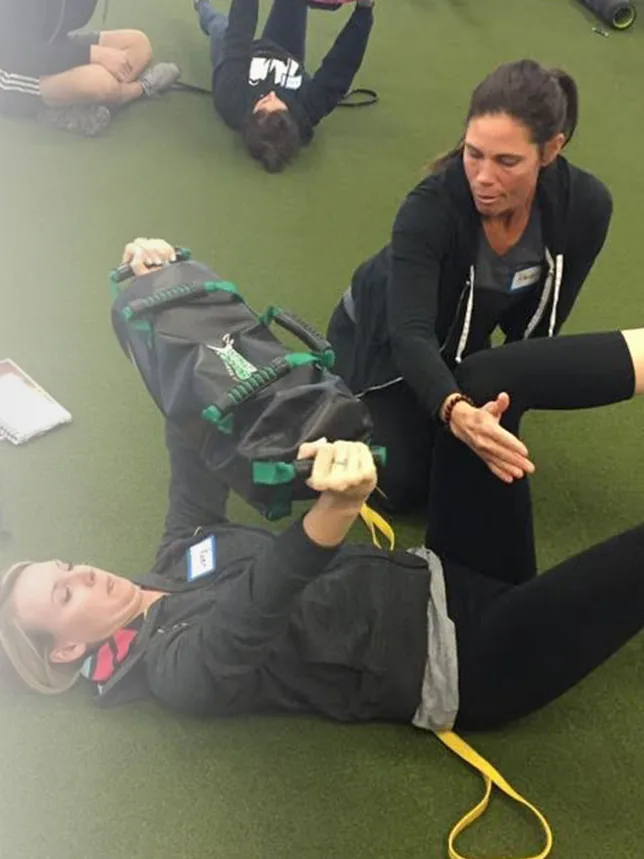
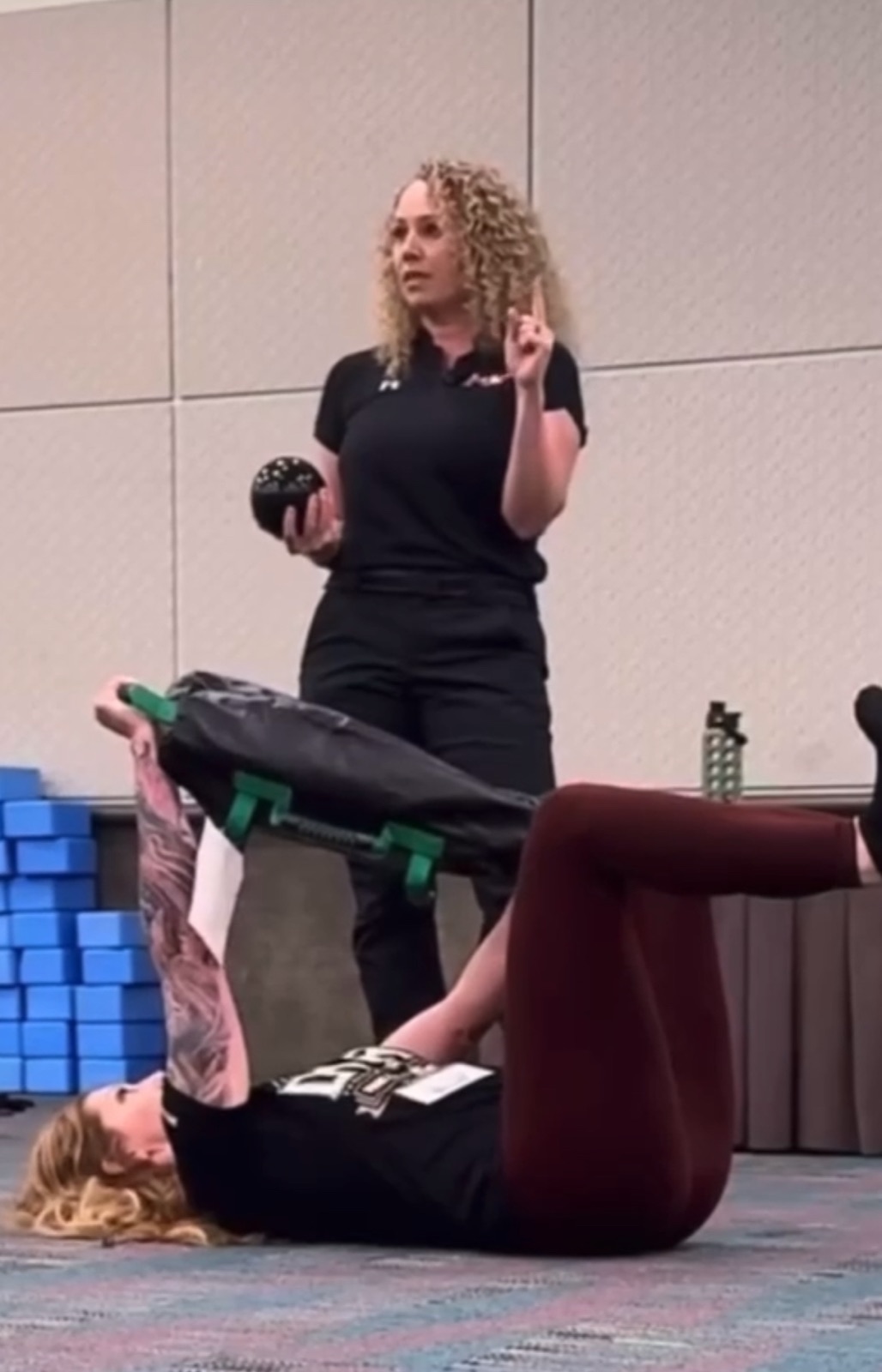
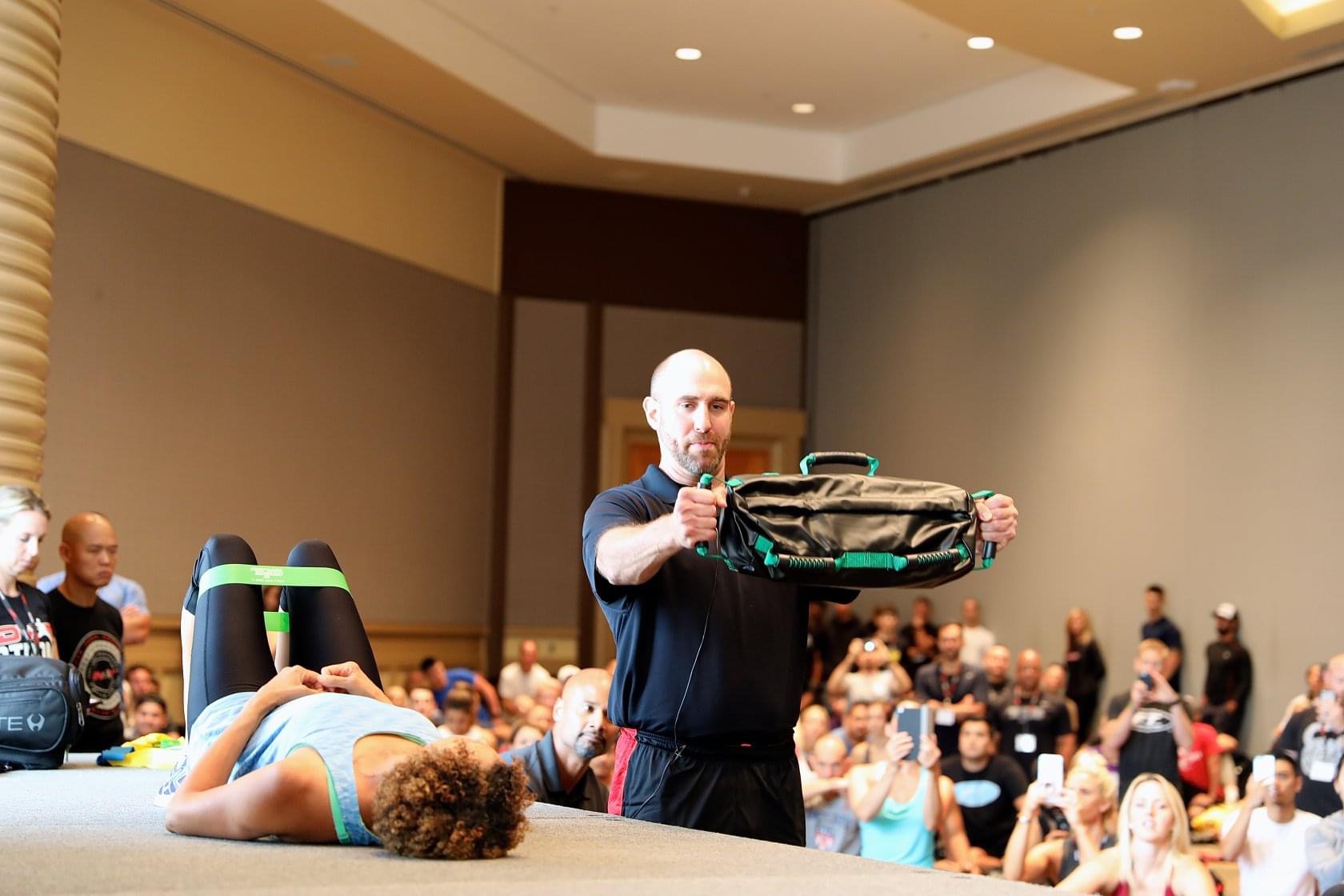
The body doesn’t move muscle by muscle. It moves through connected patterns, across fascia, joints, and multiple planes of motion. Retraining the nervous system to trust movement again, reducing protective tension and fear-based guarding we can make real progress and we don’t do it piece by piece.
Moving slowly and mindfully, it improves coordination, proprioception, and joint stability, which addresses the stiffness, imbalance, and compensations that often perpetuate pain. Over time, this practice restores functional movement patterns and increases confidence in daily activities, helping break the cycle of chronic discomfort.
What finally changed my relationship with pain was learning to restore movement patterns rather than chasing symptoms.
Myofascial Integrated Movement (MIM) focuses on:
Coordinated, whole-body movement
Multi-planar patterns that reflect real life
Breath, posture, and tension awareness
Controlled exposure to movement instead of avoidance
Rather than asking, “What’s damaged?” the question became:
Separates sensation from story – Mindful awareness helps you notice pain or discomfort without automatically labeling your body as “broken” or damaged.
Reduces fear and protection – By observing movement slowly and intentionally, the nervous system learns that motion is safe, not threatening.
Builds confidence in movement – Mindful, controlled practice reinforces that your body can handle functional loads and patterns, restoring trust in your capabilities.
Breaks the cycle of catastrophic thinking – Awareness trains you to respond to thoughts of damage with curiosity instead of panic, preventing mental amplification of pain.

One of the biggest traps in chronic pain is avoiding movement out of fear.
Avoidance shrinks options. The nervous system becomes more sensitive, not less. Over time, even small movements feel threatening.
Integrated movement uses graded exposure, safe, controlled patterns that rebuild tolerance. It teaches the body that movement doesn’t equal danger.
This approach:
Reduces fear-based tension
Improves proprioception and control
Expands movement options
Builds resilience instead of fragility
After 35 years of pain and seven spinal surgeries, the biggest lesson I learned was this:
Pain isn’t always a damage problem.
It’s often a movement problem.
When movement becomes integrated, confident, and coordinated, pain frequently decreases as a side effect not because it was attacked directly, but because the system no longer needs it as protection.
Myofascial Integrated Movement doesn’t promise perfect bodies or pain-free lives. It restores capability, trust, and adaptability the foundations of long-term health.
And sometimes, that’s exactly what pain has been asking for all along.
Want to learn more how to help people reach their best both mentally and physically? Don’t miss our upcoming Myofascial Integrated Movement Building Longevity, Resilience, & Strength webinar for FREE HERE January 8th at 2pm EST.
© 2026 Ultimate Sandbag Training. Site by Jennifer Web Design.