
Why Arthritis Holds People Back from Exercise & How To Help
2026-04-8
For many people, exercise is seen as the key to better health, improved fitness, and long-term resilience. But for individuals living with arthritis, that path is often far more complicated. Pain, stiffness, and uncertainty can create real barriers, not just physically, but mentally, making it difficult to stay consistent and achieve fitness goals.
Ironically, research consistently shows that exercise is one of the most effective tools for managing arthritis. The challenge lies in helping people understand how to move forward safely and effectively.
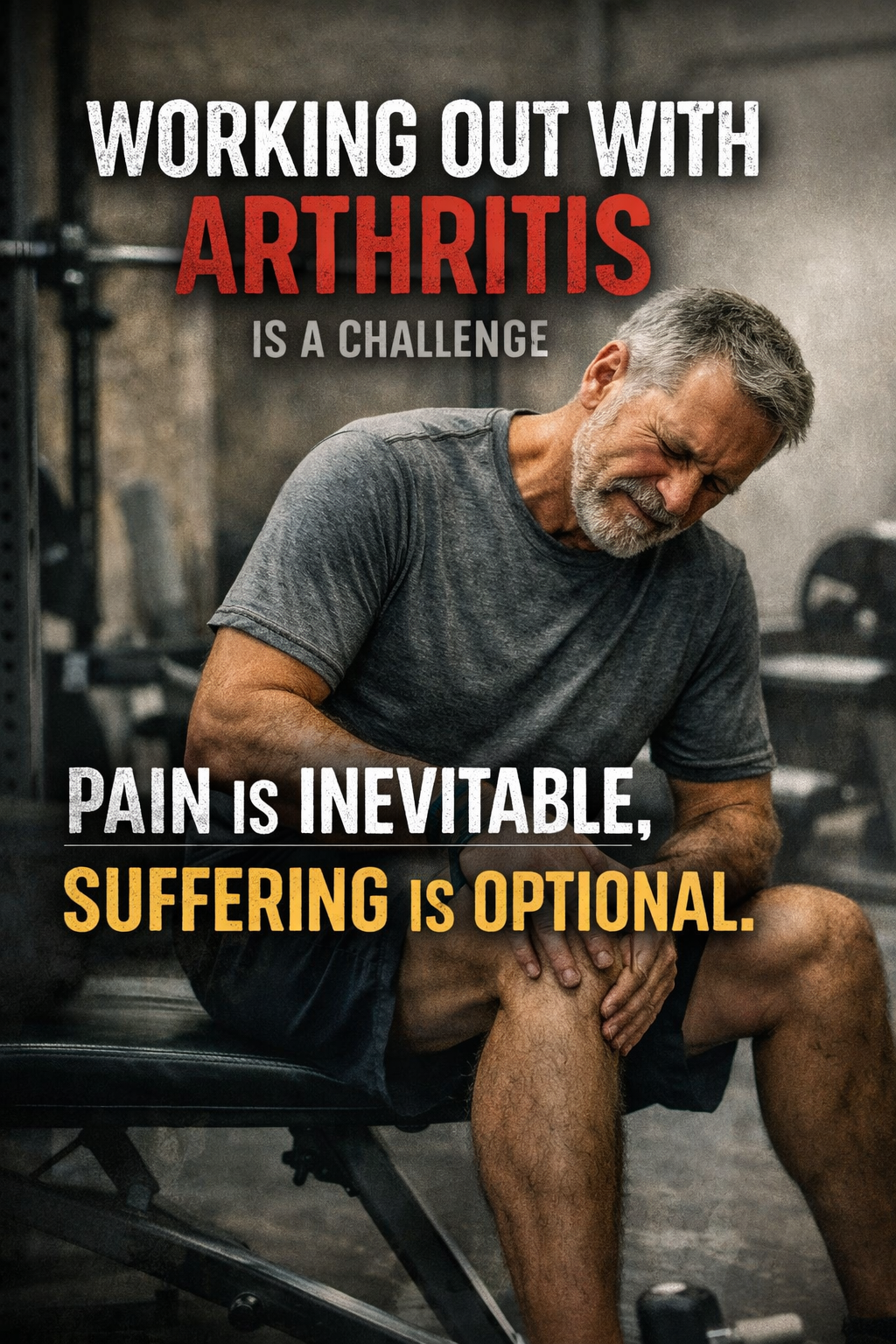
The Hidden Barriers: Why Arthritis Stops People from Exercising
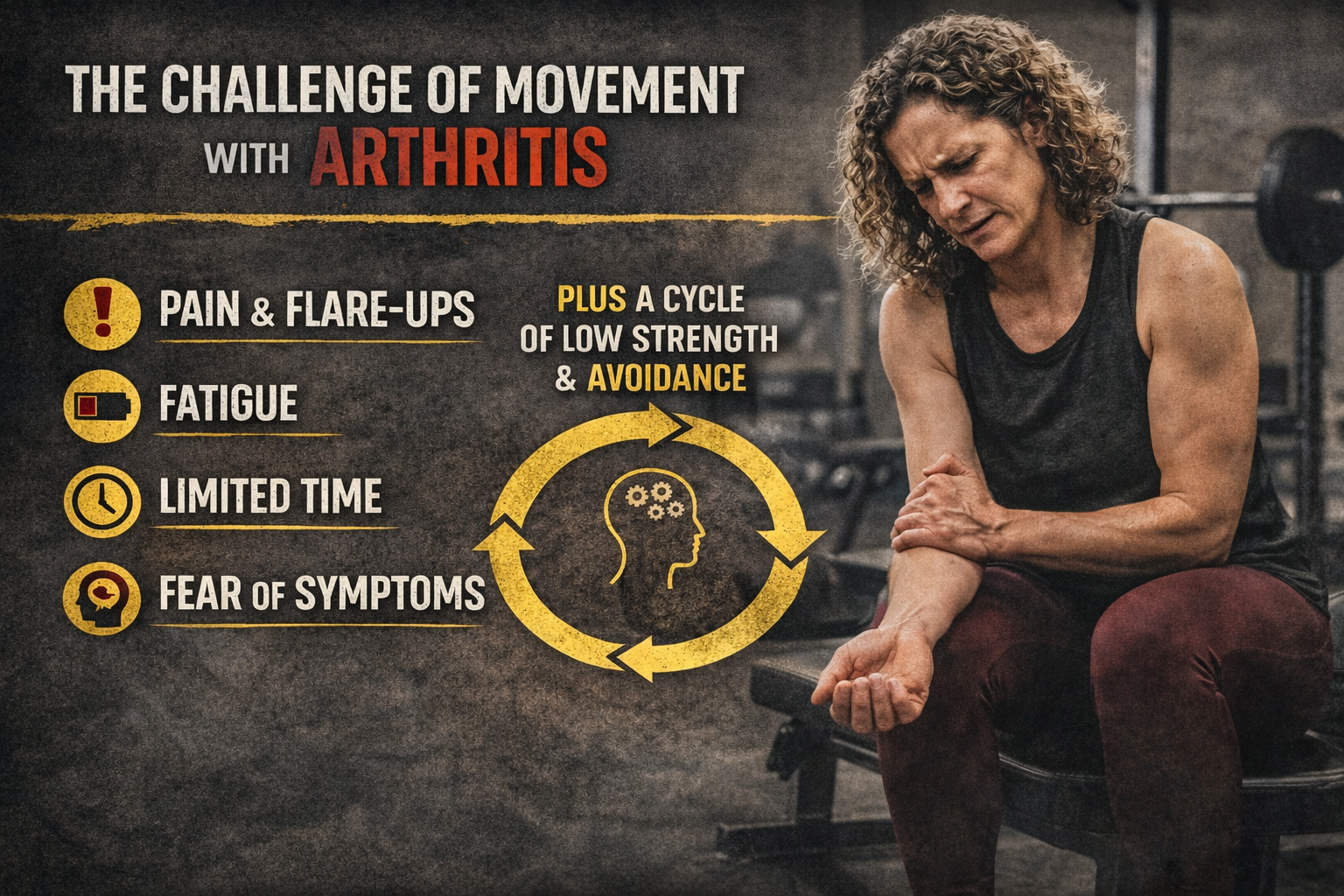
Arthritis doesn’t just affect joints, it affects behavior and mindset. Research shows that people with musculoskeletal conditions like arthritis face several major barriers to exercise, including pain, fatigue, lack of time, and fear of worsening symptoms.
For those with rheumatoid arthritis (RA), additional challenges exist. Fluctuating symptoms, unpredictable flare-ups, and fatigue are among the most commonly reported obstacles to staying active. These variables make it difficult to maintain a routine, leading many individuals to avoid exercise altogether.
There’s also a psychological component. When movement is associated with pain, it’s natural to avoid it. Over time, this avoidance can lead to decreased strength, reduced mobility, and worsening overall function, creating a cycle that reinforces inactivity.
Not All Arthritis Is the Same
One of the biggest misconceptions about arthritis is that it’s a single condition. In reality, it encompasses over 100 different disorders, with osteoarthritis (OA) and rheumatoid arthritis (RA) being two of the most common and fundamentally different.
Osteoarthritis is a degenerative condition often associated with aging and wear-and-tear. It involves the breakdown of cartilage, leading to joint pain, stiffness, and reduced mobility. It commonly affects weight-bearing joints like the knees and hips.
Rheumatoid arthritis, on the other hand, is an autoimmune disease. The immune system mistakenly attacks the joints, causing inflammation, swelling, and systemic symptoms like fatigue. RA can affect multiple joints symmetrically and often involves periods of flare-ups and remission.
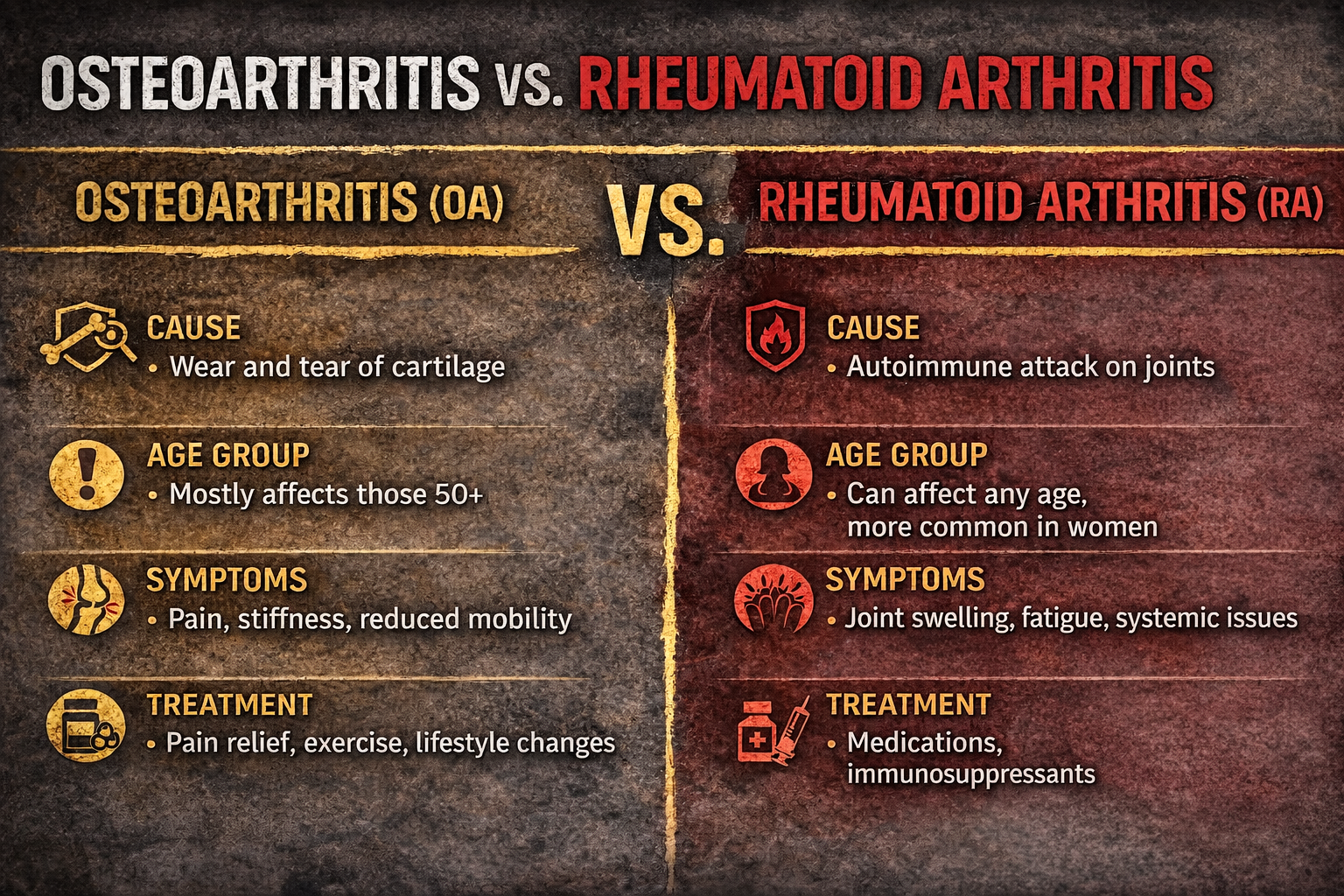
These differences matter because they influence how people experience movement and how they should approach exercise. While someone with OA may struggle more with mechanical joint pain, someone with RA may need to manage inflammation and energy levels.
Exercise Isn’t the Problem: It’s the Solution
Despite these challenges, research is clear: exercise is not only safe for people with arthritis, but essential.
Clinical guidelines consistently recommend exercise as a first-line treatment for osteoarthritis, with strong evidence showing improvements in pain, function, and quality of life. Similarly, research in rheumatoid arthritis shows that exercise can significantly reduce pain, fatigue, and disease activity.
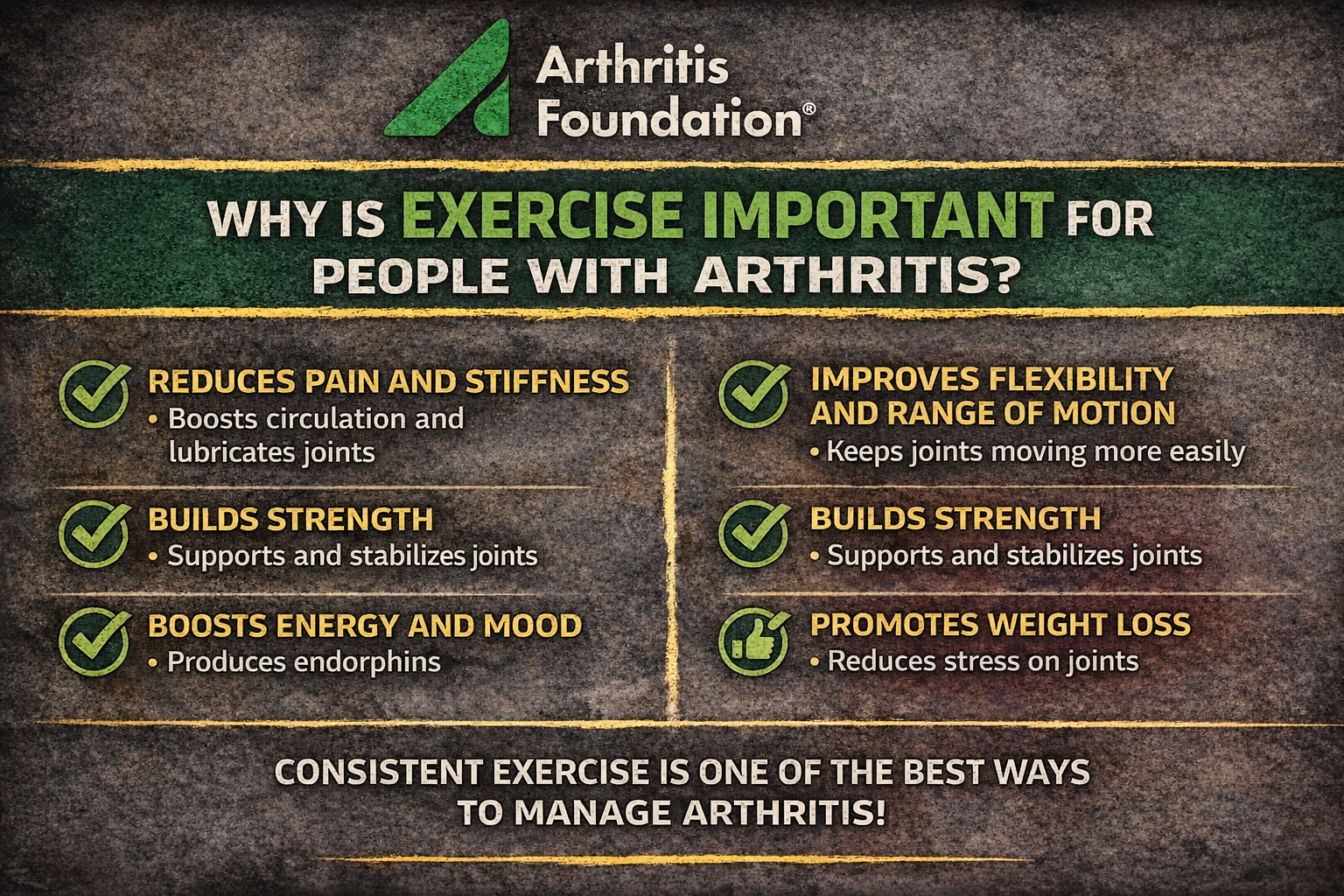
Different types of exercise provide different benefits:
- Strength training helps stabilize joints and improve muscular support
- Aerobic exercise improves cardiovascular health and reduces pain
- Flexibility and mobility work enhances range of motion
- Neuromotor training improves balance and coordination
In fact, large-scale analyses show that aerobic and strengthening exercises can lead to meaningful improvements in pain, function, gait, and overall quality of life in people with osteoarthritis.
The key isn’t avoiding movement, it’s finding the right type and dosage of movement.
The Power of Mind-Body Fitness
One of the most promising areas of research for arthritis management is mind-body exercise. Practices like Myofascial Integrated Movement training (MIM) and other integrated movement systems combine physical activity with breathing, awareness, and control have been shown to be very effective for people with arthritis.
These approaches are particularly powerful because they address both the physical and psychological barriers to exercise.
Research shows that mind-body exercises are safe and effective for individuals with osteoarthritis, helping reduce pain while improving function. Additionally, emerging studies in rheumatoid arthritis suggest that combining exercise with mind-body strategies can improve pain, balance, mobility, fatigue, and overall quality of life.
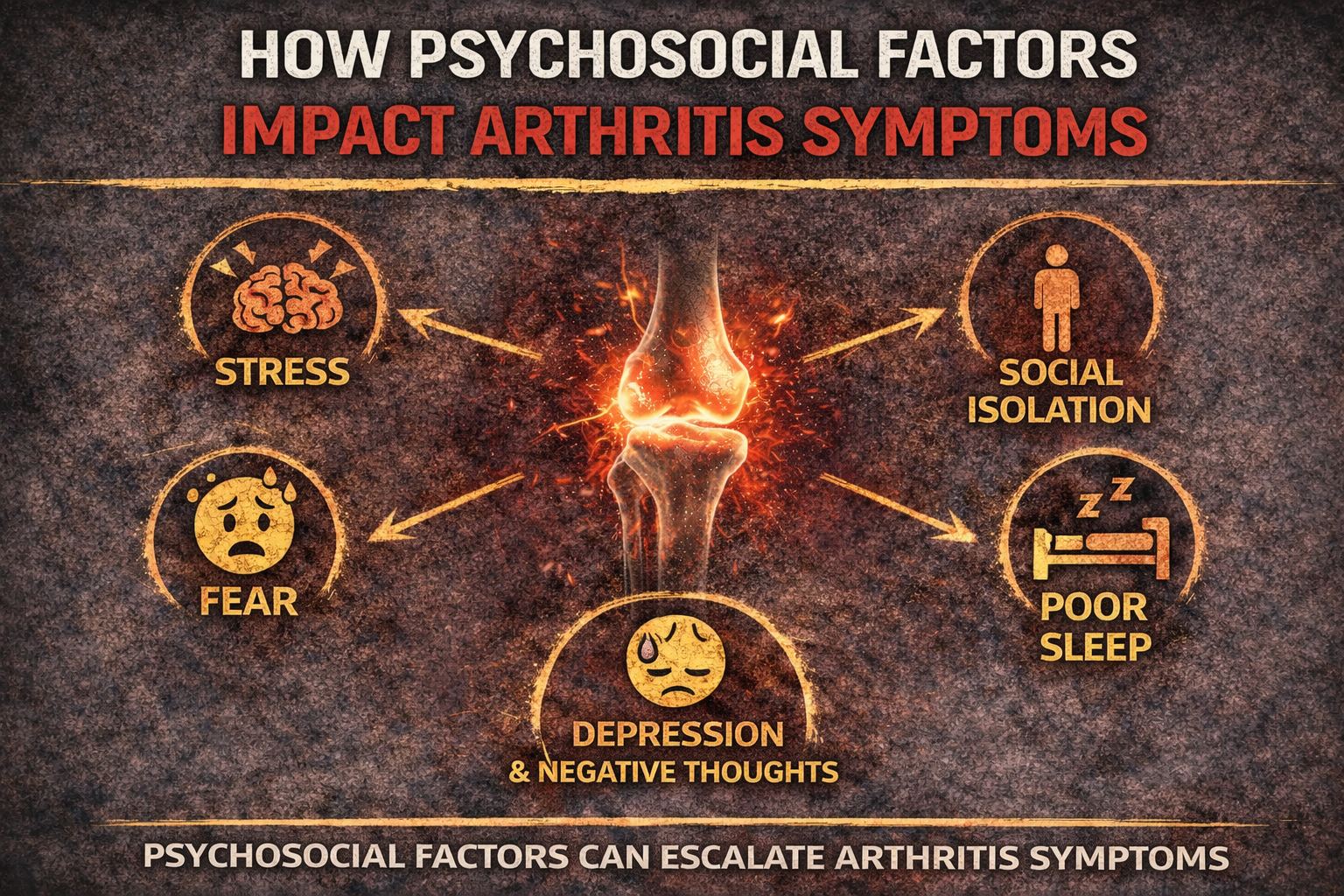
Beyond symptom relief, mind-body fitness builds confidence. It helps individuals reconnect with movement in a way that feels controlled and manageable, something that’s often lost when pain dominates the experience.
Reframing Fitness with Arthritis
For people living with arthritis, achieving fitness goals doesn’t mean pushing harder, it means moving smarter.
Success comes from:
- Individualization: Adapting exercise to the person’s condition, symptoms, and capabilities
- Consistency over intensity: Small, regular efforts outperform sporadic high-intensity sessions
- Education: Understanding that movement is beneficial, not harmful
- Building confidence: Creating positive movement experiences
Research highlights that self-efficacy, the belief that one can successfully perform a behavior, is one of the strongest facilitators of exercise adherence in people with arthritis.
Arthritis can absolutely deter people from exercising, but it doesn’t have to define their outcomes.
When individuals understand that arthritis is not one-size-fits-all, and when they are guided toward the right types of movement, especially mind-body approaches, they can reduce symptoms, improve function, and build meaningful strength, stability, mobility, and cardiovascular health.
The goal isn’t to eliminate arthritis. It’s to empower people to move well despite it.
And in many cases, that movement becomes the very thing that restores their confidence, independence, and quality of life.
Find out MUCH more in our NEW “Stronger Without Pain” follow along arthritis programs you can grab for 30% off with code “stronger” HERE
Featured in





© 2026 Ultimate Sandbag Training. Site by Jennifer Web Design.