fbpx
account My cart 0
  • This field is for validation purposes and should be left unchanged.

The TRUTH About Sitting & Low Back Pain

back pain

I mean it is catchy and bound to get you a lot of likes on social media when. you say “sitting is the new smoking,” We all know smoking is really bad for your health so it makes sitting sound just as terrifying. However, what is the truth of prolonged sitting and is comparing it to smoking really accurate?

We should also address other common ideas around prolonged sitting like “tight hip flexors,” or “your glutes have shut off.” As fitness professionals and people trying to navigate low back pain, these messages can leave us feeling like our bodies are fragile and one desk job away from dysfunction.

But what does the research actually say?

The truth is both more nuanced and far more hopeful.

While prolonged sitting can influence stiffness, muscle fatigue, movement variability, and even discomfort, the modern science of low back pain tells us that sitting itself is rarely the villain it has been made out to be. In fact, many people sit for long hours and never experience chronic back pain, while others with active lifestyles still struggle with persistent pain. That alone tells us something important: low back pain is more complex than posture or sitting time alone.

low back pain

One of the biggest misconceptions is the idea that sitting causes the “core to turn off.” Research does show that during prolonged or slumped sitting, some deep trunk muscles may reduce activity while passive tissues take on more load. However, other muscles often become more active to compensate. In many cases, especially in people with persistent low back pain, the issue isn’t a lack of muscle activity, it’s excessive stiffness, guarding, and reduced movement variability.

low back pain

In other words, the body often becomes *too protective*, not simply weak or inactive.

The same can be said for the popular “tight hip flexor” and “glute amnesia” narratives. Sitting for long periods may temporarily reduce hip extension, alter muscle recruitment, or create feelings of stiffness. But the evidence doesn’t strongly support the idea that your glutes literally “shut off” or that sitting permanently shortens muscles. What we often experience as tightness may involve fatigue, reduced movement options, stress, or nervous system sensitivity just as much as tissue length itself.

As fitness professionals, this matters because the language we use shapes how people feel about their bodies. If we constantly tell clients their bodies are “broken,” “shut down,” or “out of alignment,” we can unintentionally increase fear and hypervigilance around normal movement and posture. Don’t get me wrong, we don’t want people sitting for their whole day but we have to balance the message and solutions.

low back pain

Modern pain science is teaching us that resilience, adaptability, and confidence are incredibly important factors in both performance and recovery.

This doesn’t mean sitting has no consequences. Prolonged static positions, whether sitting or standing can absolutely contribute to stiffness, fatigue, reduced circulation, and discomfort. The spine, muscles, and nervous system generally thrive on movement variability. Our bodies are designed to shift, adapt, and tolerate changing loads throughout the day.

That may be one of the biggest practical takeaways from the research:
the issue is often not sitting itself, but too little variability and too little movement overall.

Many people think the solution is finding the “perfect posture,” but research increasingly suggests there may not be one ideal posture to maintain all day long. Holding yourself rigidly upright for hours may actually create more fatigue and tension than occasionally changing positions, leaning, shifting, or moving naturally.

The healthiest spine is probably not the one held most perfectly, it’s the one that can move and adapt well.

So what should we actually do?

First, we should stop catastrophizing sitting. Sitting is a normal human behavior. The goal isn’t to avoid sitting altogether, it’s to improve our overall movement capacity and reduce prolonged static exposure.

That means:

  • taking short movement breaks throughout the day
  • walking more frequently
  • strength training consistently,
  • improving aerobic fitness,
  • changing positions often,
  • and exposing the body to a variety of movements and loads.

low back pain

For people with low back pain, graded exposure to movement is especially important. Avoiding bending, lifting, or rotation out of fear may actually reduce confidence and tolerance over time. Instead of teaching people to avoid moving their spine when they feel “tight” or “stiff”, we can help them gradually rebuild capacity and trust in their bodies.

As fitness professionals, this requires a shift in mindset. Rather than obsessing over correcting every posture or “activating” muscles all day long, we can focus on helping clients become stronger, more adaptable, and less fearful of movement.

Sometimes the best intervention isn’t another corrective exercise, it’s helping someone realize their body is capable again.

Lifestyle factors matter too. Sleep quality, stress management, recovery, nutrition, physical activity levels, and emotional health all influence pain sensitivity and recovery capacity. Two people can have the exact same posture or MRI findings and experience completely different pain outcomes based on these factors.

That’s why the biopsychosocial model of pain has become so important in modern rehabilitation and performance. Pain is not simply about tissues or mechanics, it’s influenced by the nervous system, environment, beliefs, stress, behaviors, and overall health.

Ultimately, the conversation around sitting and low back pain needs more balance and less fear.

Sitting is not “the new smoking.” Your core doesn’t suddenly stop working because you have a desk job. Your body is not fragile because you sat too long.

What matters most is building a body and mindset= that is adaptable, resilient, strong, and capable of movement in many different forms.

That’s a far more empowering message.

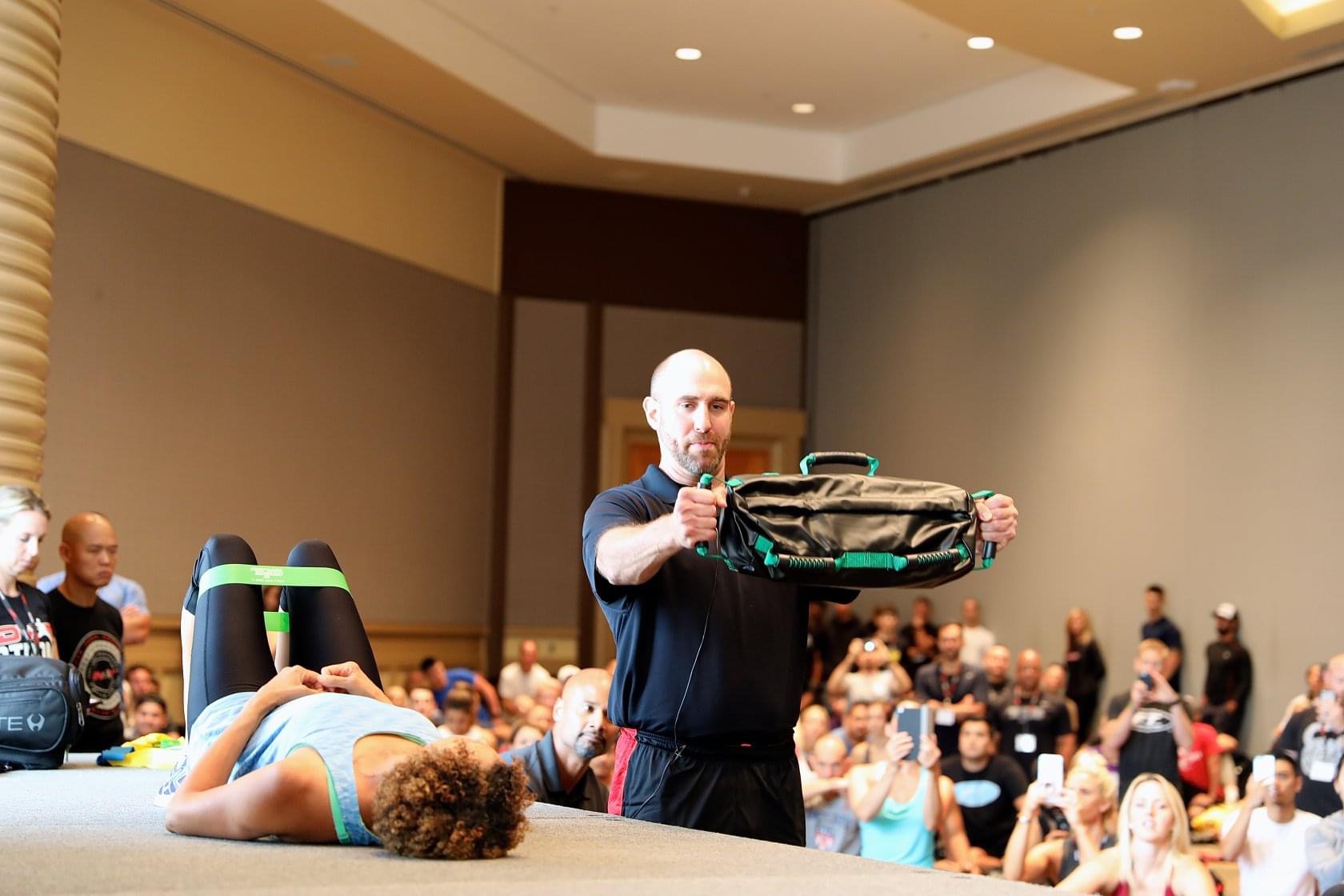
Check out some great examples of movements that we can employ in our training to achieve these goals by Jeff Chatha and check out our FREE low back pain webinar with tons of NEW information HERE May 19th.