
How to Improve Cardiovascular Fitness Without Beating Up Your Body
2026-01-13
I love training hard. I love pushing myself. I love doing things I once thought were impossible. That feeling of growth through challenge is powerful. But over time, I’ve learned two really important things.

First, those outcomes can be achieved in many different ways. They aren’t tied to one specific training method, exercise, or tool. The last ten years of my life have reflected those same goals just as much as the first twenty-five, even though what my training looks like now is very different.

Second, people need options. We need different paths that meet people where they are, both physically and mentally. That may sound like a strange way to start a conversation about cardiovascular fitness, but it’s actually the foundation of it.
Cardiovascular fitness is talked about constantly, especially when it comes to health and longevity. And yes, it is incredibly important. The real question isn’t if it matters, but how we improve it in a way that actually works long term.
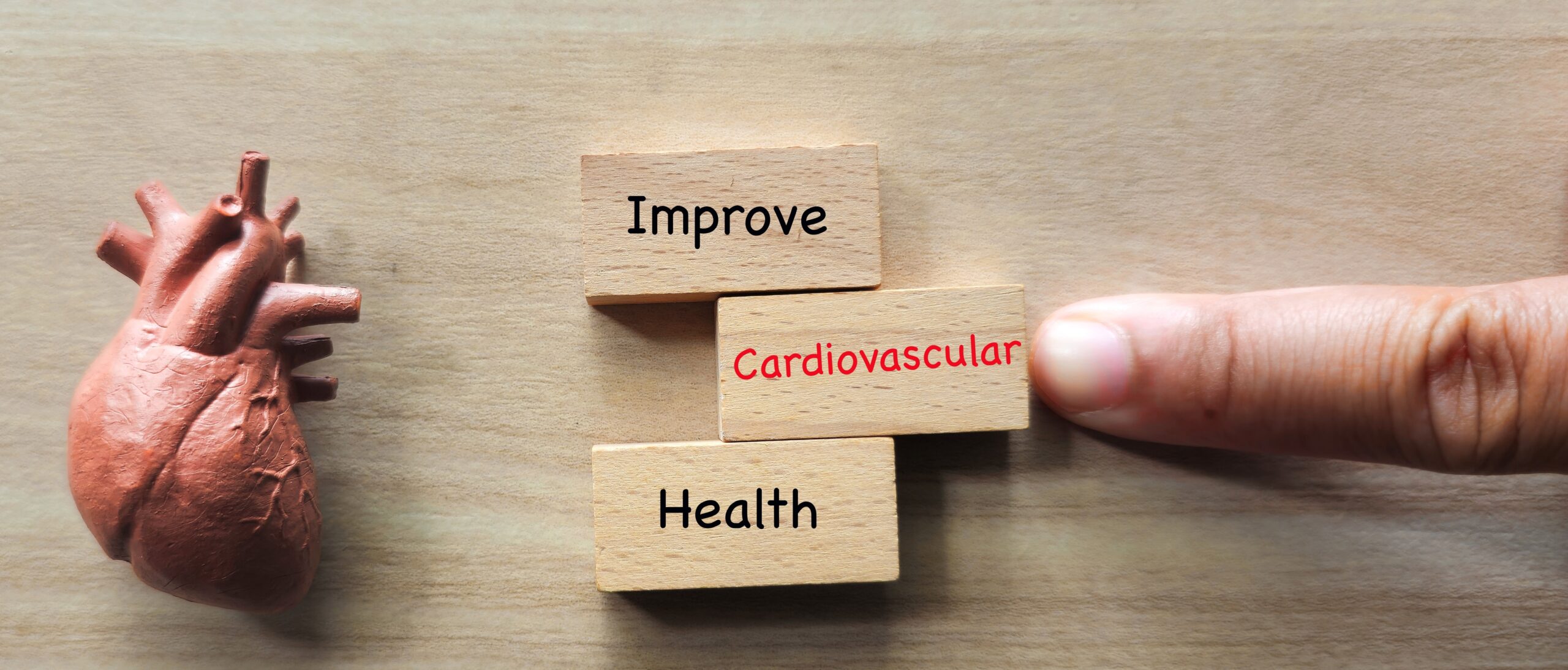
Because cardiovascular fitness is not shaped by just one thing. It’s influenced by many factors, including:
-
Physical activity
-
Nutrition
-
Sleep
-
Stress
-
Genetics
-
Age
All of these play a role. Even if you had the “perfect” exercise and nutrition program (if such a thing even existed), poor sleep, overwhelming stress, or a strong family history could still negatively impact your cardiovascular health.
That’s not meant to scare you. It should actually be freeing.
When we understand what we can influence, we realize we have far more options than we thought. And with more options comes more sustainability.
Let’s say you hear on a podcast that HIIT is the best way to improve cardiovascular fitness. That’s true in many ways, HIIT is extremely effective. You get excited about the short time commitment and proven benefits, so you try a workout.
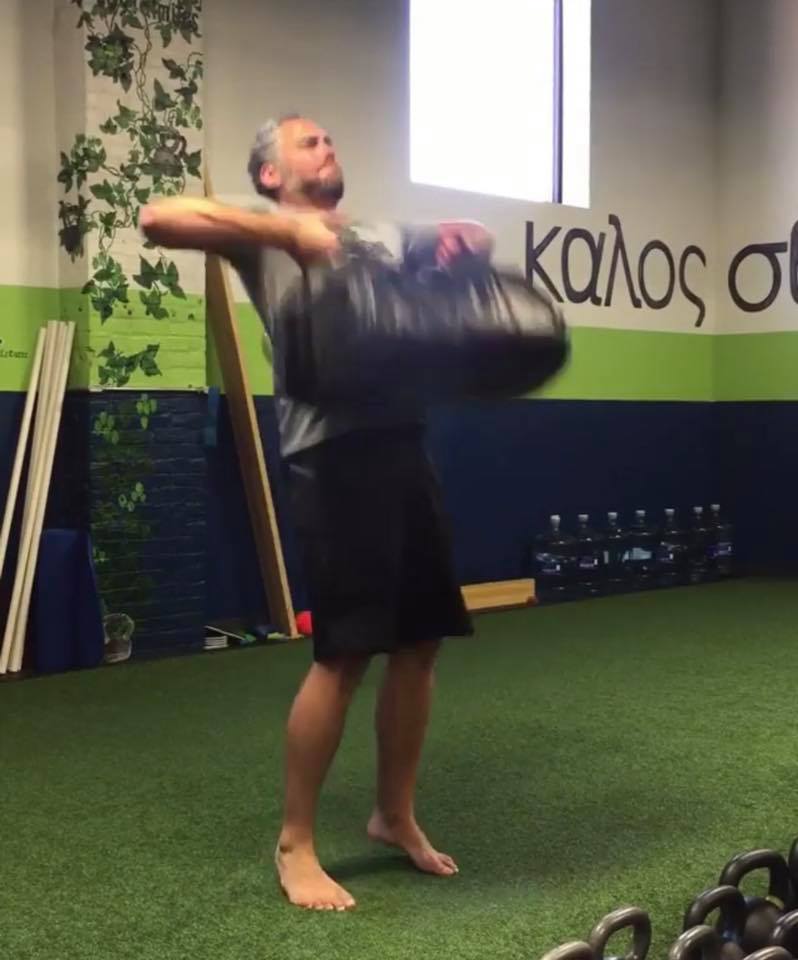
Then reality hits.
It’s much harder than expected. Your motivation drops. That shoulder, knee, or back discomfort flares up. Now consistency feels questionable. Exercise starts to feel more stressful than empowering.
There is nothing wrong with HIIT. The problem isn’t the method. The problem is when one method becomes the only method, even when it creates friction in motivation, recovery, or stress levels.
Something that is good on paper can start to negatively impact the very factors that influence cardiovascular health: stress, sleep, and consistency.
That’s the real issue.
You don’t need one perfect program. You need flexible tools that address multiple factors at once.

That’s why I love educating people on methods they may not have considered—methods that support cardiovascular fitness while also supporting joint health, stress regulation, recovery, and consistency.
One example is our Myofascial Integrated Movement (MIM) program. MIM can stand alone or complement our DVRT training. It functions differently, and because the movements are slower and more controlled, people often assume it can’t deliver a real workout.
Until they try it.
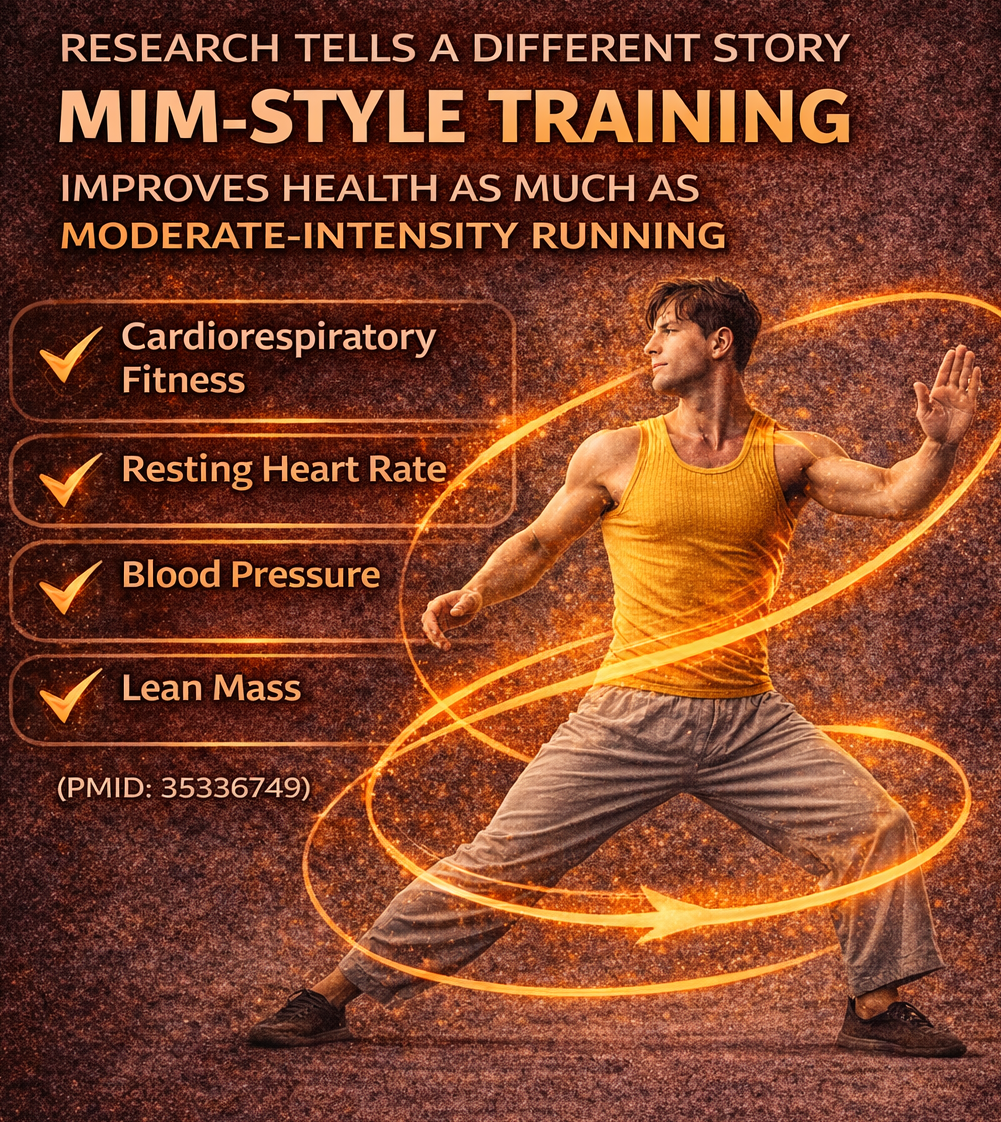
Research tells a very different story. When compared to moderate-intensity running, MIM-style training has been shown to equally improve:
-
Cardiorespiratory fitness
-
Resting heart rate
-
Blood pressure
-
Lean mass
(PMID: 35336749)
For people with hypertension, MIM-based workouts have been shown to improve:
-
Blood pressure
-
Total cholesterol
-
Triglycerides
-
LDL-C
-
Blood glucose
-
Overall quality of life
(PMID: 32171586)
Those benefits can occur with other forms of training too. What makes MIM unique is how it also impacts the othercardiovascular factors.
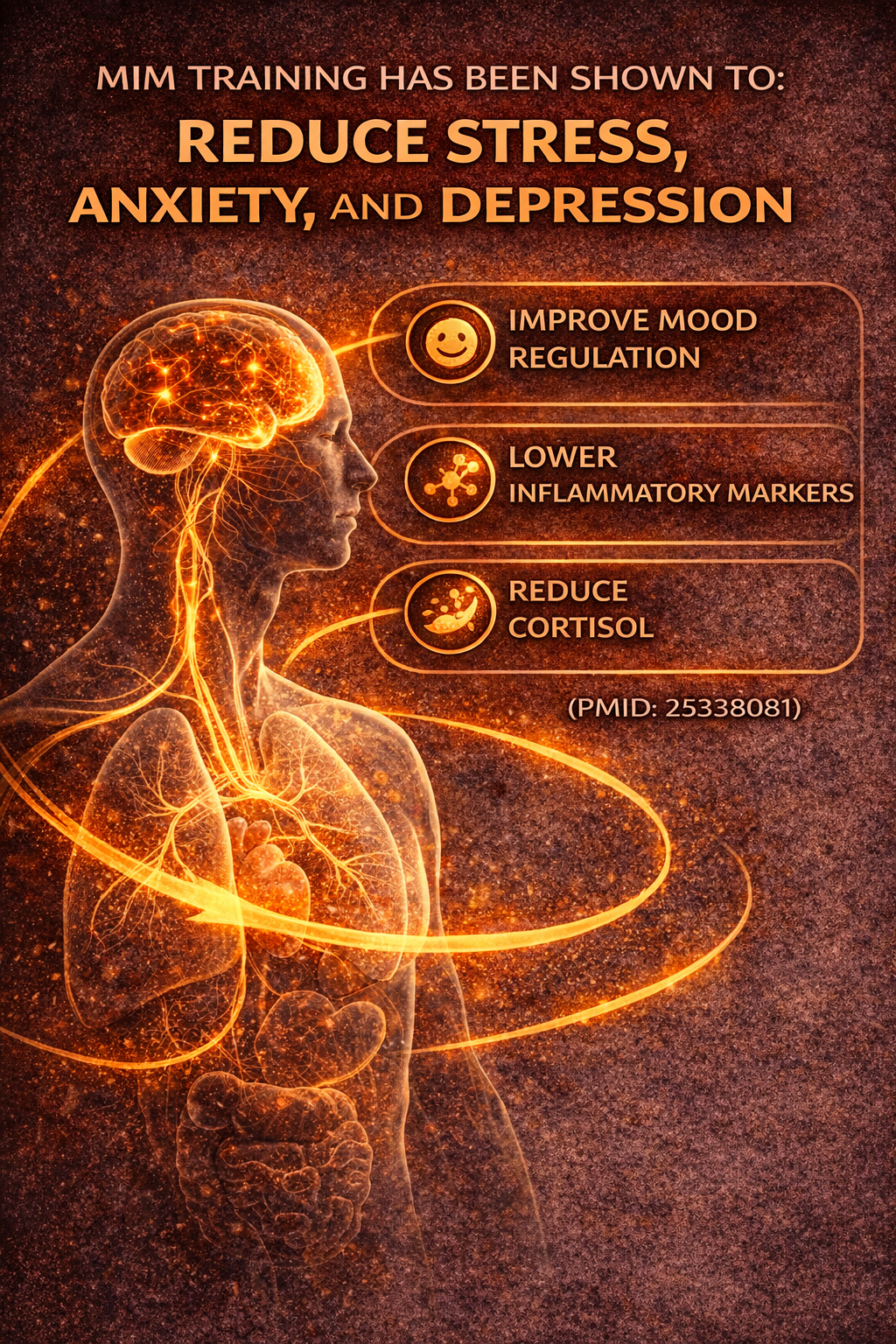
MIM training has been shown to:
-
Reduce stress, anxiety, and depression
-
Improve mood regulation
-
Lower inflammatory markers
-
Reduce cortisol
(PMID: 23538081)
Even more interesting, new research shows MIM-like exercises can improve sleep quality as effectively as cognitive behavioral therapy after consistent practice
(PMID: 41297969).
Now we’re no longer just “working out.”
We’re supporting cardiovascular health from multiple angles at once.
We’re improving heart and lung function.
We’re supporting sleep.
We’re reducing stress.
We’re increasing consistency.
We’re protecting joints and recovery.
That’s a whole-person approach.
This isn’t about choosing “hard” or “easy” training. It’s about understanding that challenge comes in many forms. Some workouts are intense and explosive. Others are slow, controlled, and deeply demanding in a different way.
Both count. Both build resilience. Both support cardiovascular health when used intelligently.
Try integrating some MIM drills into your workouts and feel the difference. You may find that cardiovascular fitness doesn’t have to come at the expense of sustainability, motivation, or your nervous system.
Don’t miss this week getting our NEW MIM Intensive Course and a FREE follow along program for over $50 of savings HERE
Featured in





© 2026 Ultimate Sandbag Training. Site by Jennifer Web Design.