
The Death of Functional Training & Why It’s Time to Bring It Back
2025-11-28

Jessica Bento, Physical Therapist (Creator of DVRT Restoration, DVRT Rx Shoulder, Knee, Pelvic Control, & Gait Courses)

There was a time when the term functional training meant something powerful. It wasn’t just a buzzword; it was a revolution in how we viewed human movement. It was about training the body to move better, not just to look better. It was about improving real-world performance, resilience, and health. As a physical therapist, I remember those early days of functional training with a kind of nostalgia when coaches, trainers, and clinicians alike were excited to learn, to understand movement, and to educate their clients in a way that truly transformed lives.
But somewhere along the way, we lost that spark.
Today, “functional training” has been watered down into a marketing term. Scroll through social media and you’ll see endless videos of workouts labeled “functional” that have little to do with actual movement quality. What was once grounded in science, purpose, and understanding has been replaced by randomness, exhaustion, and flashy “burn” sessions. People are being trained to sweat, not to move.
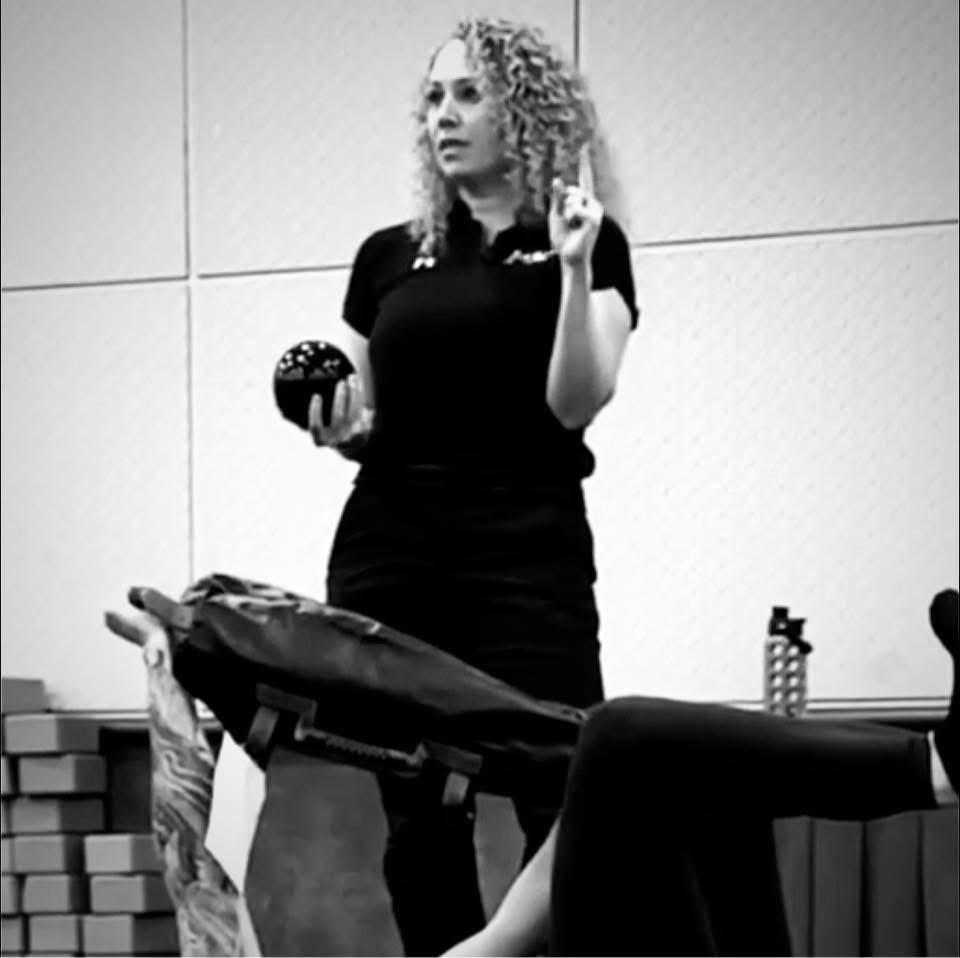
And that’s not just disappointing it’s dangerous.
I still remember years ago, standing in a room of physical therapists during a course, when someone raised their hand and asked, “Is kettlebell training even safe? Does it really have a place in the clinic?” At the time, it was such a new concept that people weren’t sure what to make of it. Fast forward to today, and it’s almost funny to see how far things have come. Now, kettlebells are everywhere used in every kind of setting, from fitness studios to rehab clinics. What once seemed radical is now completely mainstream and easily accepted. But the irony is that while the tools have become more common, the understanding behind why we use them often hasn’t kept up. Everyone’s doing it but not everyone’s doing it well.
Imagine if your car or computer broke down. You would need to understand how they work in order to repair them and make them work again right? Not just work, but work as optimally as you wanted. That is really what functional training is all about, even if your goal is purely aesthetic, understanding how your body works leads to far better outcomes. As a clinician that means EVERYTHING to my patients.
Functional training was born out of the idea that our bodies are systems, not isolated parts. It wasn’t about targeting one muscle it was about training patterns, integration, and coordination.
We move through life in multiple planes and dimensions. We push, pull, hinge, squat, rotate, and lunge. Functional training sought to respect that complexity by creating exercises and programs that reflected how we actually move in the real world. The goal wasn’t just strength; it was usable strength. It was stability, balance, and control under load.
The best part was the education that surrounded it. Coaches and clinicians dove into anatomy, biomechanics, and motor control. We learned how to assess and correct movement dysfunction. We learned to connect the dots between performance and prevention, between the gym and daily life.
I remember being inspired by how many people wanted to go beyond the basics. Workshops were packed. Trainers were proud to learn about things like ground-based movement, reactive stability, and chains of motion. There was a deep respect for the craft of coaching.
Where It Went Wrong
Then, like many good ideas, functional training became popular. And popularity, without understanding, often leads to dilution.
Somewhere along the way, the tools that were designed to teach movement became tools to simply make people sweat. Kettlebells, Ultiamte Sandbags, and medicine balls, once used with precision and purpose are now often just props in high-intensity circuits meant to leave people gasping for air. The goal has shifted from moving better to just surviving the workout.
What used to be about developing skill, control, and resilience has turned into a race to see who can move the fastest or lift the heaviest, regardless of form. These tools were never meant to be used mindlessly; they were meant to build a foundation of movement, not to break people down.
View this post on Instagram
When the focus becomes fatigue instead of function, we lose the very thing that made these methods powerful in the first place.
Instead of seeing the Ultimate Sandbag, for example, as a way to teach stability, load variability, and movement integrity, it became just another way to make someone sweat more, thrown upon ones back (which is was never designed to do) . Machines came back into vogue, HIIT became king, and “functional” turned into marketing shorthand for “different” or “cool.”
Don’t get me wrong there’s nothing wrong with sweating. But effort without intention doesn’t build function. Keep in mind, I am in the business of making people feel better, move better, perform better, and get people out of pain and discomfort.
Too often now, I see workouts that prioritize fatigue over form, complexity over comprehension. People are doing exercises that mimic the look of functional training lunge with a twist here, a balance challenge there but without the coaching or awareness that makes it meaningful. We’ve traded understanding for entertainment.
And that’s not what functional training was ever supposed to be.
Why Functional Training Still Matters
The body hasn’t changed. Our joints, muscles, and connective tissue still respond best to movement that reflects the way we live. Functional training still holds the key to improving how people move, feel, and perform especially as we age, recover from injury, or look to enhance athletic potential.
When done correctly, functional training builds not only strength but also resilience. It teaches people how to stabilize under load, how to generate power from the ground up, and how to control their bodies through multiple planes of motion. It connects strength to purpose.
From a rehabilitation standpoint, it’s invaluable. We don’t heal movement dysfunction by isolating muscles we do it by retraining the body to work as an integrated system. The same applies to performance. The best athletes don’t just lift more; they move better.
And for the everyday person? Functional training is what helps you lift your kids, carry groceries, climb stairs, or garden without pain. It’s the bridge between exercise and real life.
The Lost Art of Coaching
What made functional training so impactful wasn’t just the exercises it was the coaching behind them. To teach movement well takes knowledge, patience, and understanding. You can’t cue your way through a movement you don’t understand. You have to know what you’re looking for, why you’re doing it, and how to adjust it for the person in front of you.
That’s why education was such a big part of the early days of functional training. Coaches and therapists didn’t just collect tools they learned principles. They studied how to progress and regress movement, how to layer complexity, and how to connect it to the goals of their clients.
That’s what we need to return to.
Functional training isn’t dead because the body stopped working it’s dying because too many have stopped thinking. The knowledge that once fueled this movement has been replaced by trends, machines, and “10-minute burn” videos. We have to bring the education back.
This is a win-win type of process as well. With the popularity of business masterminds in areas like fitness and even physical therapy, the one thing that gets overlooked that is most important is providing meaningful results. There is NOTHING that will do more for your business than providing such outstanding results that people can NOT stop talking about you!
A Call to Bring It Back
I’m not writing this to romanticize the past I’m writing it as a call to action. It’s time for trainers, coaches, and therapists to reclaim what functional training really means. Especially for those that want to stand out in an ever growing saturated market of social health influencers.
Let’s bring back the curiosity, the respect for movement, and the drive to educate ourselves and our clients. Let’s teach people not just how to move, but why movement matters. Let’s remember that tools are only as powerful as the intent behind them.
Functional training changed the way I saw my patients and my own training. It taught me to look deeper, to connect movement to purpose, and to appreciate how the human body is designed to work. That knowledge shouldn’t be lost to shortcuts and sweat sessions.
If we want people to move better, live stronger, and perform longer we have to get back to what functional training was always about: training movement, not muscles. Let’s get back to helping people in the way that drove many of us to get into our professions in the first place!
Don’t miss the LAST 48 hours of our Black Friday sale with 25% all throughout our DVRT tools and programs. That not only means 25% off our Ultimate Sandbags/water bags, but ALSO you will get 5 FREE training programs because we want you to not have, but succeed with DVRT. Just use code “holiday25” HERE till Monday.
View this post on Instagram
Featured in





© 2026 Ultimate Sandbag Training. Site by Jennifer Web Design.