
Unlocking True Movement Potential & Strength
2026-01-20
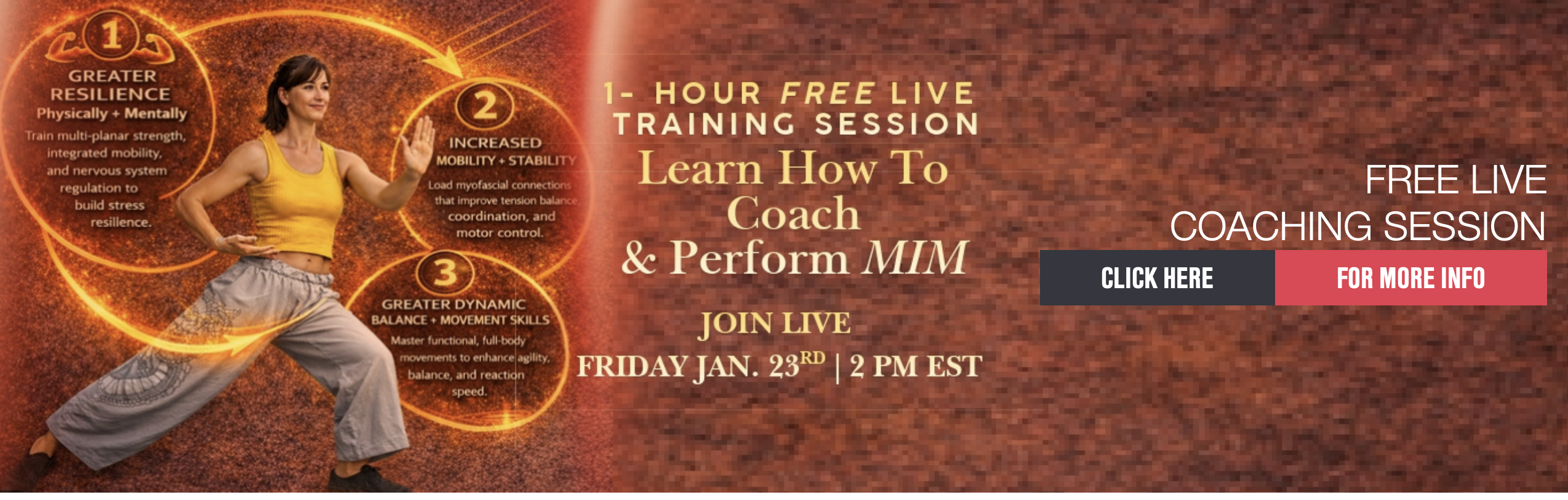
Adding to our DVRT program can seem like A LOT! We already have SO much you can do with just DVRT Ultimate Sandbag Training, doin more can be overwhelming to some. That is why it doesn’t matter whether it is discussing our Progressive Kettlebell Movement (PKM) system or our Myofascial Integrated Movement program (MIM), the MOST important thing is for us to show how everything fits together. Our goal is NOT that you do these all in individual parts (you could, but hold on) because these system all make each other that much better.
How does MIM and DVRT come together? While they may approach things in different ways, many of the goals are very similar.
Target the Body as a System, Not Isolated Parts
-
-
MIM focuses on restoring and enhancing functional movement patterns by integrating myofascial chains, joint mobility, and stability.
-
DVRT complements this by adding strength and load in a dynamic, variable way, reinforcing the movement patterns in functional, real-world contexts.
-
Together, they train the body as a connected system, rather than isolated muscles.
-
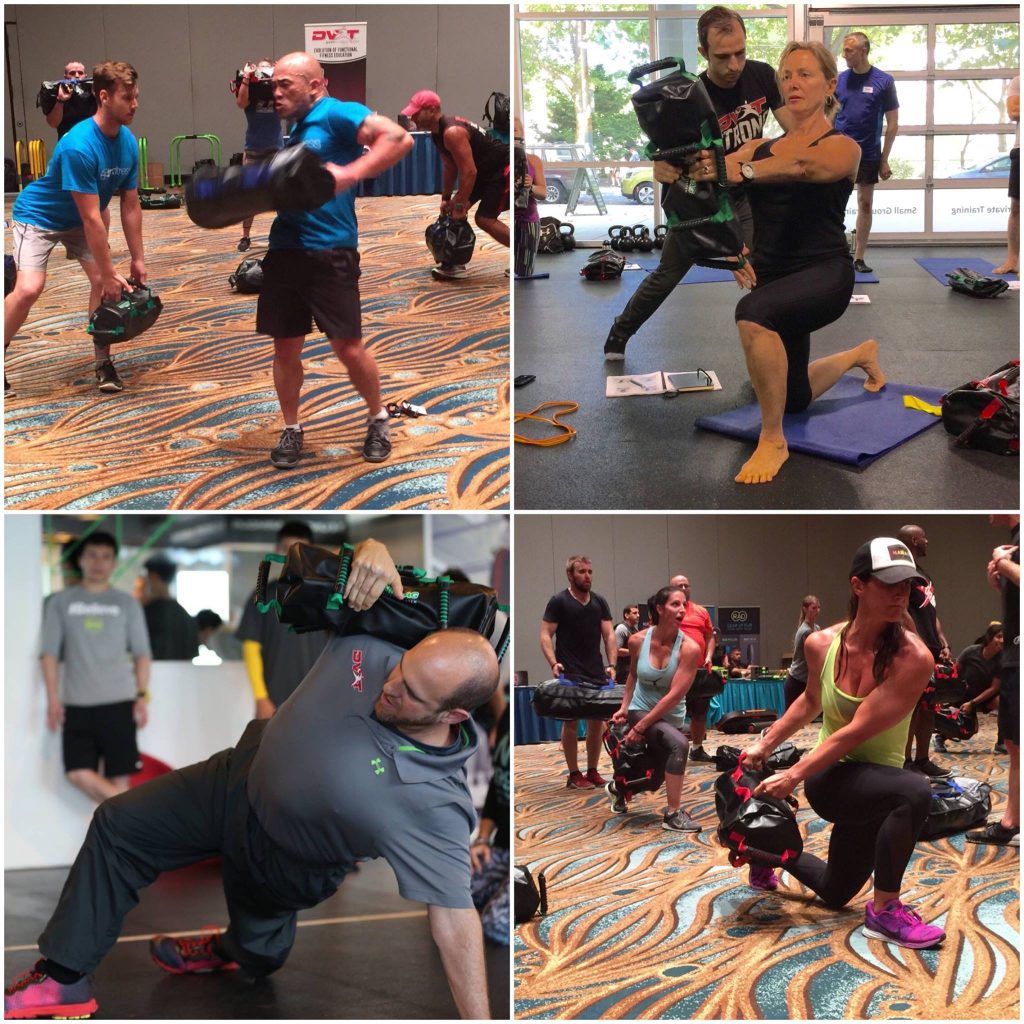
Build Strength Through Proper Movement Patterns
-
-
Strength without proper movement mechanics can lead to inefficiency or injury.
-
MIM ensures that every joint, fascial line, and core segment is ready to handle load, while DVRT provides the resistance stimulus necessary to build strength.
-
This combination guarantees that strength is built safely and effectively, aligned with natural biomechanics.
-
-
Enhance Stability, Mobility, and Force Transfer
-
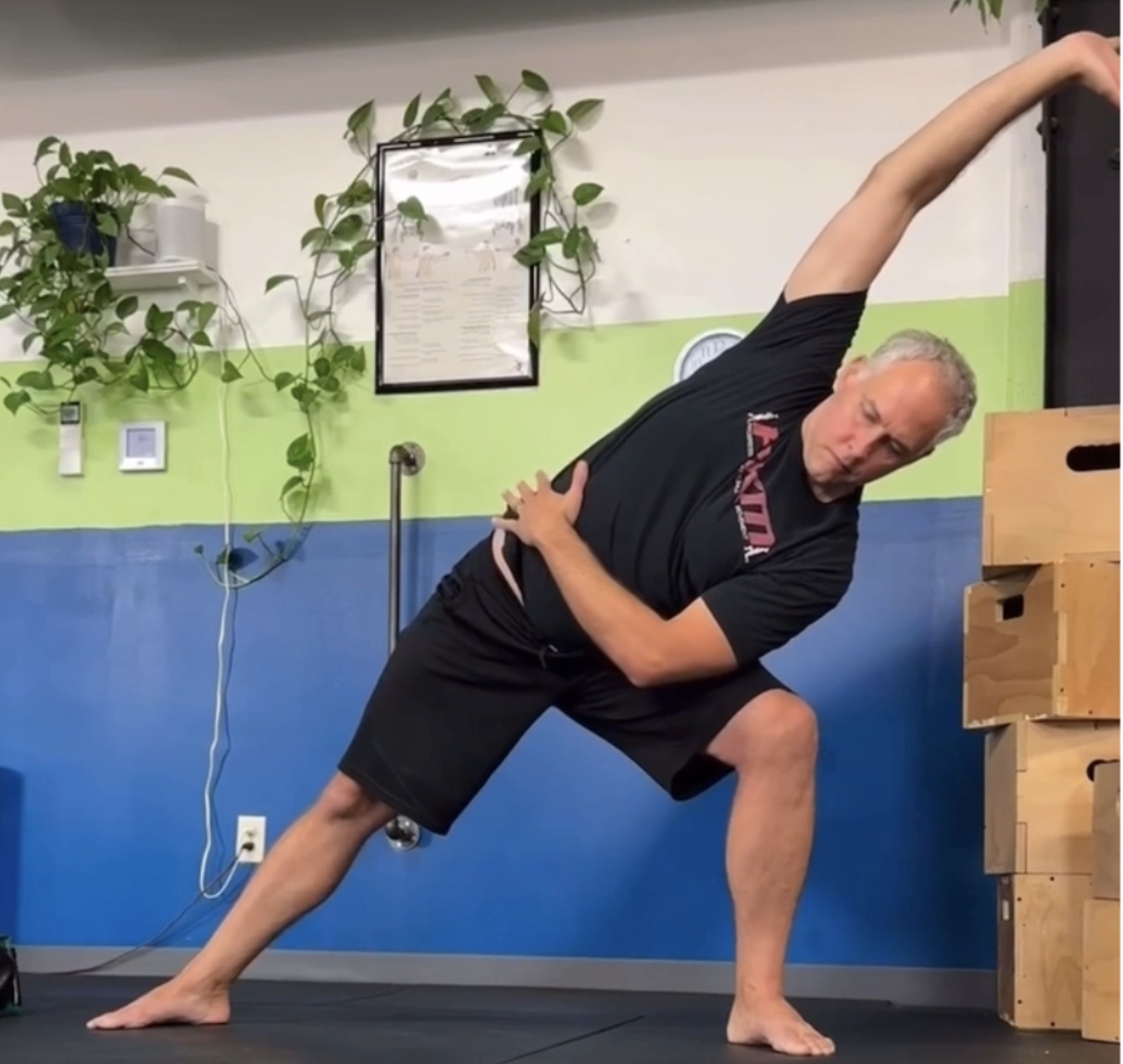
MIM improves frontal, sagittal, and transverse plane stability, addressing weak links in the body’s kinetic chain.
-
DVRT introduces progressive, variable load that challenges the system dynamically, enhancing motor control, joint stability, and force transfer through the body.
-
The synergy of the two ensures that mobility isn’t just passive, it’s functional under load.
-
-
Train for Real-World Performance and Longevity
-
Life and sport require dynamic, integrated movement under variable conditions, not just isolated strength.
-
The MIM + DVRT combination develops strength, mobility, and resilience that directly translate to better posture, movement efficiency, and injury prevention.
-
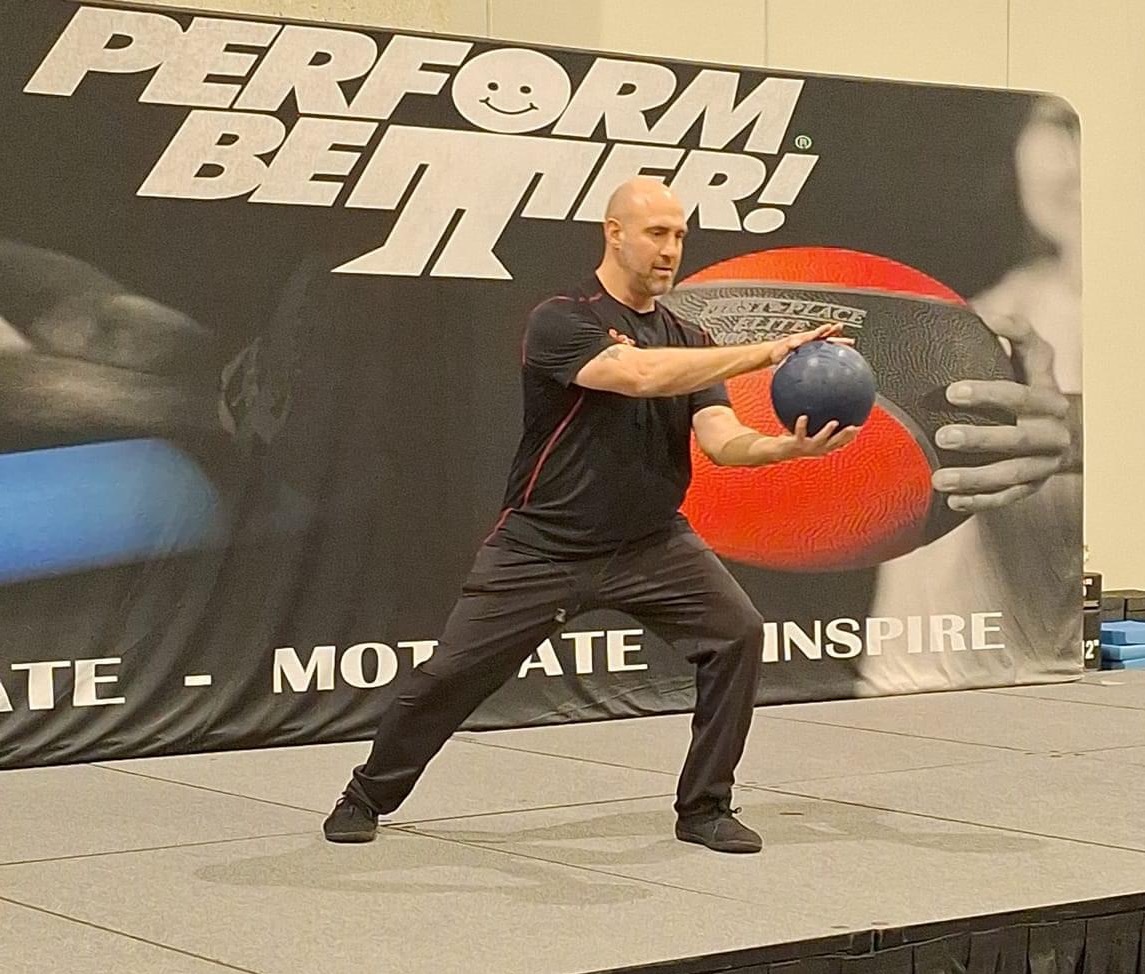
How Do You Combine MIM & DVRT?
Some of the answer to this question relates to how well versed and how comfortable with each. If you feel VERY good about your understanding and ability to use both systems you have A LOT of ways you can combine them. However, if you are still trying to feel things out, I wanted to give a very simple way of accomplishing both.
Warm-up
We are going to assume you have about an hour to train, if you have less you can either reduce the number of exercises or the number of sets you may use in each section. A warm-up to me is a non-negotiable and even if we are short on time we are still emphasizing a good warm-up. This isn’t just about getting the body “warm”, but making sure people are moving well enough to really benefit from their more strength focused part of the workout.
I recommend 4-5 exercises in a circuit style in here. Due to the fact we aren’t working at the same intensity we will in other aspects of our workout, we can simply complete one exercise and casually move into the next. The first 2-3 exercises can be MIM based with a bow, horse stance, and then more myofascial focused drill (such as working spiral or lateral lines of the body).
The second two drills can be more from our DVRT Restoration program that are more stability based (yes we have a mobility element to them but stability is their emphasis). Of course you can flip flop this with 2 MIM and 3 DVRT Restoration based drills if that meets your goals or what you feel more comfortable doing but below is an example.
Strength Emphasis
I don’t know if the term “strength” or even “conditioning” really fits for the main part of our workout. There are so many elements we are training at once, it often feels incomplete. For the ease of communicating good solutions, we are going with it.
This part of our workout usually takes around 30 minutes and we will keep the circuit style. Typically I recommend resting around 30 seconds between exercises and we program based upon the foundational movement patterns of squat, hip hinge, lunge, push, pull, rotation, and locomotion.

In the sample I gave below, we have more of unilateral or asymmetrical exercises as our focus. When we have more of one side going for a set we can either rest between the two sides and do both sides of an exercise, or we can do all right side in a circuit and then all left side. Doing so helps manage fatigue and makes our training that much better.
If there are a lot of stability and strength demands I recommend keeping the repetitions lower from 6-8 (it can be less if it is really challenging) and if more flowing we can go 10-15. Doing so allows us to build strength, stability, mobility, conditioning, and power all at once. That is why I am so passionate about sharing these solutions, they make creating and following great fitness programs so much easier. Try using them in workouts like those below.
Want to find out more how to teach and implement these ideas? Join me for a FREE Myofascial Integrated Movement training session THIS Friday at 2pm EST and HERE
Featured in





© 2026 Ultimate Sandbag Training. Site by Jennifer Web Design.