
Why Myofascial Stretching Is More Effective for Flexibility, Mobility, and Pain Relief
2026-01-1

When it comes to improving flexibility, mobility, and even reducing chronic pain, most people automatically think of stretching. We all know the classic static stretches: hamstring reach, quad pull, shoulder stretch. But while traditional stretching can help increase muscle length temporarily, it often falls short in creating lasting, functional movement improvements. That’s where myofascial stretching can make a significant difference, much more than the stretching or mobility that people often practice.
Unlike typical stretching, myofascial stretching focuses on the entire fascial network the connective tissue that surrounds muscles, bones, and joints rather than isolated muscles. This approach creates integrated movement patterns, enhances neuromuscular coordination, and promotes joint-friendly mobility that supports everyday life and athletic performance.
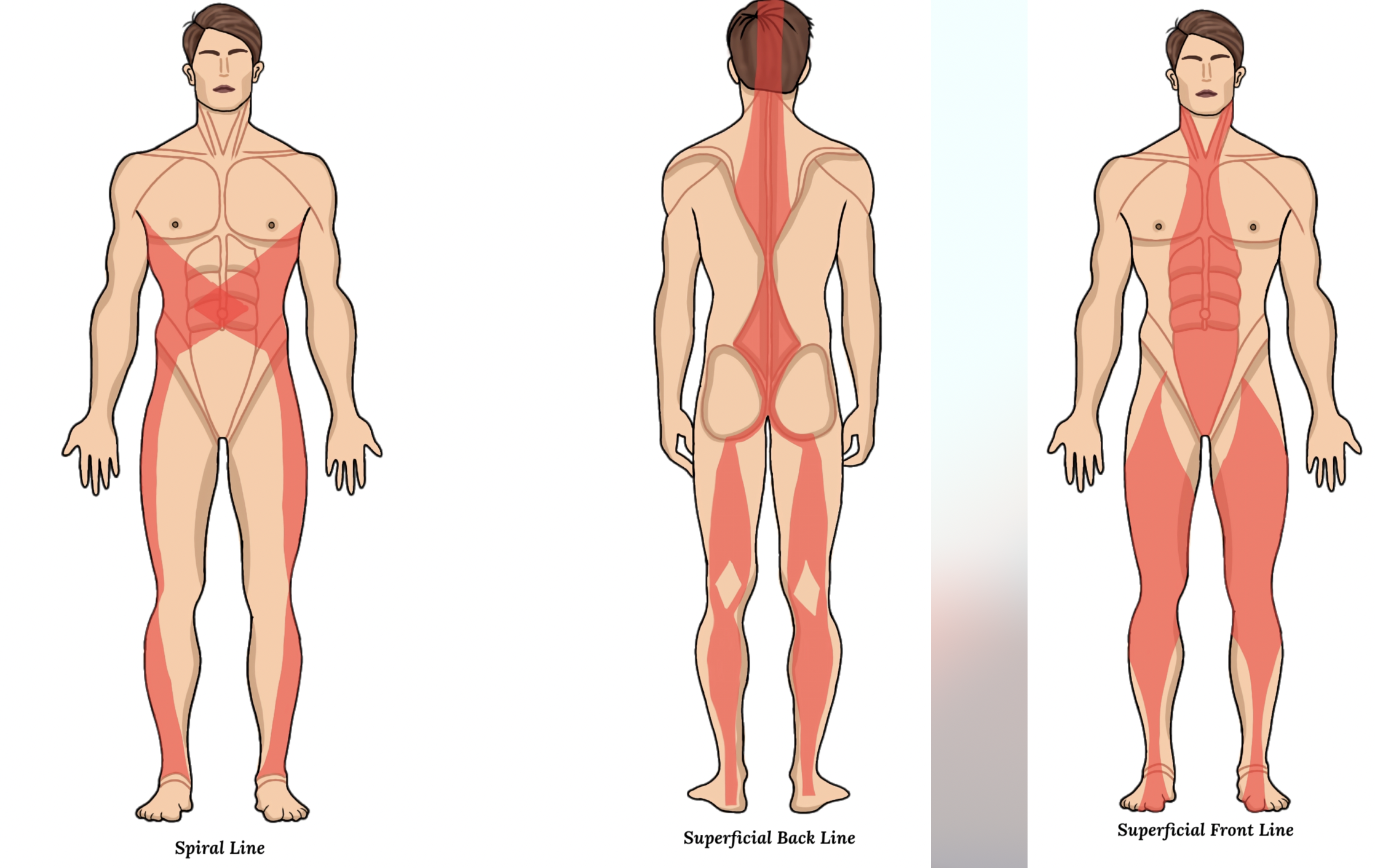
Understanding the Fascia
Fascia is a web-like network of connective tissue that runs throughout the body. It not only connects muscles to bones but also links distant areas of the body together, forming lines of tension known as myofascial lines or slings. Because of this interconnectedness, tightness or restriction in one area can affect movement efficiency and pain patterns elsewhere.
Traditional static stretching typically targets a single muscle or muscle group, ignoring the larger fascial network. For example, stretching the hamstring in isolation may temporarily lengthen the muscle, but it doesn’t address tension in the connected fascial lines running through the glutes, lower back, calves, even feet and heat. As a result, movement restrictions often persist, and flexibility gains may be limited.

Myofascial Stretching: Movement, Integration, and Breath
Myofasical Integrated Movement drills incorporate slow, flowing, integrated movements, often combined with controlled breathing. These practices naturally engage the entire fascial system, allowing it to elongate and glide. Unlike static stretching, which is passive, myofascial stretching emphasizes active engagement, proprioception, and joint positioning, which teaches the body to move efficiently in real-world patterns.
Key aspects of myofascial stretching include:
-
Triplanar Movement – Movements occur in multiple planes (sagittal, frontal, rotational), which reflects how we actually move in daily life.
-
Load Distribution – The body learns to distribute tension across fascial lines, improving force transfer and reducing compensation.
-
Breath Integration – Conscious breathing enhances fascia hydration and elasticity, while calming the nervous system.
-
Neuromuscular Re-education – Slow, intentional movements help the nervous system learn how to move with better alignment and coordination, reducing strain and injury risk.
By targeting fascia instead of just muscles, these practices help release tension patterns that often limit flexibility, reduce pain, and impair mobility.
View this post on Instagram
Myofascial Stretching vs. Traditional Stretching
Here’s why myofascial stretching is often more effective than conventional stretching:
-
Functional Flexibility – Myofascial stretching teaches muscles and fascia to move together as a system, creating usable flexibility rather than isolated range of motion that may not translate to functional movement.
-
Mobility and Stability Together – By emphasizing movement control and postural awareness, myofascial stretching improves both mobility and joint stability, whereas traditional stretching may increase range of motion without control.
-
Pain Reduction – Chronic pain often arises from fascial restrictions, poor movement patterns, and overcompensation, not just tight muscles. Myofascial stretching addresses the root cause, helping to alleviate discomfort and improve function.
Research increasingly supports this approach. Studies on MIM type movements have shown improvements in joint mobility, balance, functional strength, and pain reduction in people with chronic musculoskeletal conditions. These benefits often exceed those seen with standard static stretching programs, particularly because they involve full-body coordination and fascial engagement.
View this post on Instagram
Bringing Myofascial Stretching into Your Routine
The good news is you don’t need to do a TON of MIM or even give up everything else you are doing to benefit from our MIM drills. Even a few MIM drills with the right intent can transform your flexibility, mobility, and pain outcomes:
-
Move Slowly and Intentionally – Focus on control and full-body alignment rather than holding a muscle in place.
-
Integrate Multiple Planes – Include movements that twist, rotate, and shift weight, not just forward bends.
-
Engage Breath and Awareness – Coordinate movement with slow, deep breathing to relax fascia and nervous system tension.
-
Target Connections, Not Just Muscles – Think of the body as an integrated chain; when you stretch one area, allow connected areas to lengthen and glide as well.
-
Consistency Over Intensity – Daily or frequent practice of short sessions often yields better results than occasional, intense stretching.
By using these principles, you can create long-lasting mobility, functional flexibility, and pain relief, while also improving posture, balance, and overall movement quality.
Flexibility is more than just muscle length. Real functional mobility comes from integrated fascial movement, proper joint alignment, and coordinated control. Myofascial stretching, like that in our MIM program addresses the whole system, improving flexibility, reducing pain, and supporting efficient movement.
If your goal is lasting flexibility, better mobility, and less pain, it’s time to look beyond traditional static stretches and embrace movement practices that work with your body’s natural connective tissue network. Your muscles will thank you, your joints will move better, and your whole body will feel more capable and resilient.
Want to learn more how to help people reach their best both mentally and physically? Don’t miss our upcoming Myofascial Integrated Movement Building Longevity, Resilience, & Strength webinar for FREE HERE January 8th at 2pm EST.
Featured in





© 2026 Ultimate Sandbag Training. Site by Jennifer Web Design.