
Why People Keep Getting Cardio, Conditioning, & Fat Loss Wrong!
2025-12-14

If you’ve been in the fitness industry for any length of time, you’ve probably watched training trends swing like a pendulum (especially if you have been around 30 years like I have). It was even my first go to in the gym for fat loss and “heart health” that long, slow cardio was king. Then my head exploded with exciting new research about HIIT and everything in the industry seem to be changing. Now the pendulum has swing back, but we always do a little new window dressing.
Instead of calling what we use to do just “cardio” (which admittedly is vague) or “fat burning zone” (ok, some people still call it that but its older for sure) now Zone 2 training is having a major resurgence, often framed as the only “smart” way to build aerobic fitness, health, and burn fat.
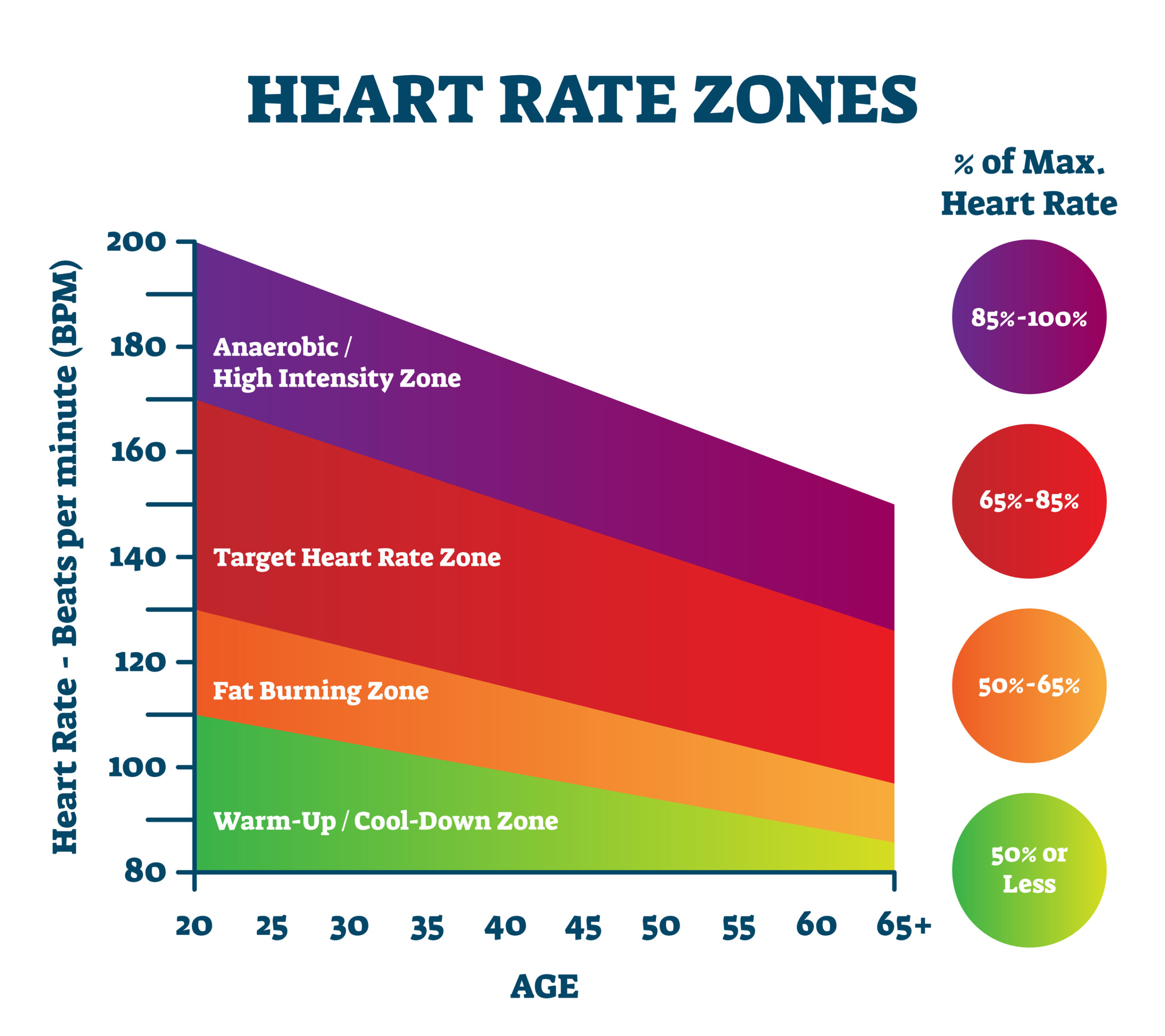
Here’s the reality most coaches live in every day: clients want results, they’re short on time. Even if you disagree with their assessment, research continually demonstrates that people’s at least perception of lack of time is one of the BIGGEST obstacles to exercising (PMID: 39060107).
This is where things get a big tricky nowadays. To be honest, it probably wouldn’t be that hard to have most people who promote Zone 2 training to admit that HIIT is more effective when time is limited. However, many Zone 2 proponents would probably still claim it is essential to still find time to get such Zone 2 training in because it produces better health measures, not just conditioning or fat loss.
Does it? Is Zone 2 more effective in helping prevent cardiovascular and other diseases? A cool new study that my friend, strength coach, Robert Dos Remedios shared with me really calls this idea into questions.
This 2025 study that came out in October studied 73,485 adults, aged 40 to 79 years. They shockingly found, “found 1-min of vigorous intensity physical activity was equivalent to about 4–9 min of moderate intensity and 53–156 min of light intensity for all-cause mortality and cardiometabolic outcomes (MACE, type 2 diabetes, and CVD mortality).” (PMID: 41168243)
View this post on Instagram
To be fair, as is mentioned in the video above, this was not looking at HIIT workouts compared to Zone 2 training, but more intense physical activity to lighter forms of activity. Firstly, YES all activity is good activity, so please don’t confuse that point here. The main point I’m making is that most feel overwhelmed by the idea of exercise so trying to add more and more to people’s “to do list” of being fit and healthy doesn’t really help. In fact, if we show how more accessible it can be the more likely we are to help people see that fitness can be part of their lives.
Is that it? Is the Zone 2 compared to HIIT discussion over? Not quite so I do want to discuss some points that I see people making….
-Not everyone wants do HIIT so Zone 2 is still valid. That is fair, you don’t HAVE to do HIIT and we don’t want people to feel they are doing lesser work. However, we should in a good faith manner take time to educate people on what the best use of their training time and what can be achieved in doing so. Some people also do exercise to just “feel good” and that’s perfectly fair too. Yet, I think people should still be armed with the knowledge of what is most beneficial for their goals and then they can make more informed decisions for themselves.
-Not everyone can DO HIIT. Again, fair point that we probably should acknowledge. As the video above explained, the study did remove people who are sick from the study. There are going to be people that either due to illness or potentially injury can’t do HIIT. I hope that is obvious that such training would NOT be appropriate in most of those cases unless cleared by a doctor.
I think we also have to think about the fact that HIIT can look different for different individuals. Those just starting an exercise program probably shouldn’t be using their strength training as a purely HIIT endeavor (we will come back to that to clarify some key points), but can use other outlets that don’t requires as much technique or put themselves at risk when pushing themselves. This can be in the form of tools like a stationary bike, a sled, battle ropes, etc.
As coach Dos explains below though too, lifting can be used as HIIT for people once they get the appropriate foundations down. Using intervals of 30 seconds of work and 30 seconds of rest can help people learn how to move with greater intent, build needed work capacity/strength, as well as learn how to progressively push themselves when they may not be use to doing so.
-You can’t do HIIT all the time, you will overtrain. This is kinda of a funny one for me because it presupposes that most people are working out quite frequently. We can’t both complain in the fitness industry that not enough people workout AND people are working out too hard and too much they are overtraining. I’m not saying overtraining NEVER happens, but when 25% of Americans meet the base standards of fitness, I don’t think that is our major issue.
View this post on Instagram
I think this is also a silly argument too because it makes it sound like suggesting that HIIT be a staple in people’s programs that it is always both “all out” and has to make up the bulk of the training session. Firstly, coach Dos has done a great job in periodizing intensity of HIIT through his Metabolic Resistance Training protocols (that you can check out below). This means HIIT itself can be done at various intensities as well as durations.
There is also the fact that when you start having people learn how to squat well, do some simple pulling, practice good hip hinging, and perform some pushing, their hearts rates usually jump pretty high. This idea that we are just “smokin'” people all the time is quite silly. Doing simple functional circuits like I just explained can fulfill HIIT for a lot of different people
Lastly, we can change our HIIT emphasis and how much time we spend with it. I can choose to make my HIIT focus at the end of my workout and do 10 minutes of really focused on HIIT work (I would choose something like a bike, but it can be similar tools). Another day it can be a focused 20-30 minute lifting HIIT program (don’t ever get fooled you can do HIIT for much longer than that, it usually isn’t HIIT then). Simply changing how much and what you do for HIIT is such an easy way to avoid this “issue”.
My hope in posts like this is to provide you with a good look at what the evidence is telling us about the best use of our training time. While cited one study, you will find many that share similar results and Coach Dos and I had a great discussion about this topic below. I hope you not only enjoy it but get enough information that helps you train smarter!
Listen To The Discussion HERE
Don’t miss our last chances to save during this holiday season. Get 25% ALL throughout DVRT and when you invest in ANY of our Ultimate Sandbags get our 80 workout MRT program for FREE! Just use code “gift25” HERE
Featured in





© 2026 Ultimate Sandbag Training. Site by Jennifer Web Design.