
Is There An Ideal Mobility Exercise For Low Back Pain?
2026-06-8

One of the most common questions people ask when dealing with low back pain is, “What mobility exercise should I be doing?” They are often searching for the one stretch, drill, or corrective exercise that will unlock their hips, free up their spine, and eliminate their pain.
The problem is that research consistently shows there is no single mobility exercise that everyone with low back pain needs to perform.
That doesn’t mean movement isn’t important. In fact, movement is often a critical part of recovery. However, the relationship between mobility and low back pain is much more complex than simply finding tight muscles and stretching them.
Mobility Limitations Can Contribute to Overload
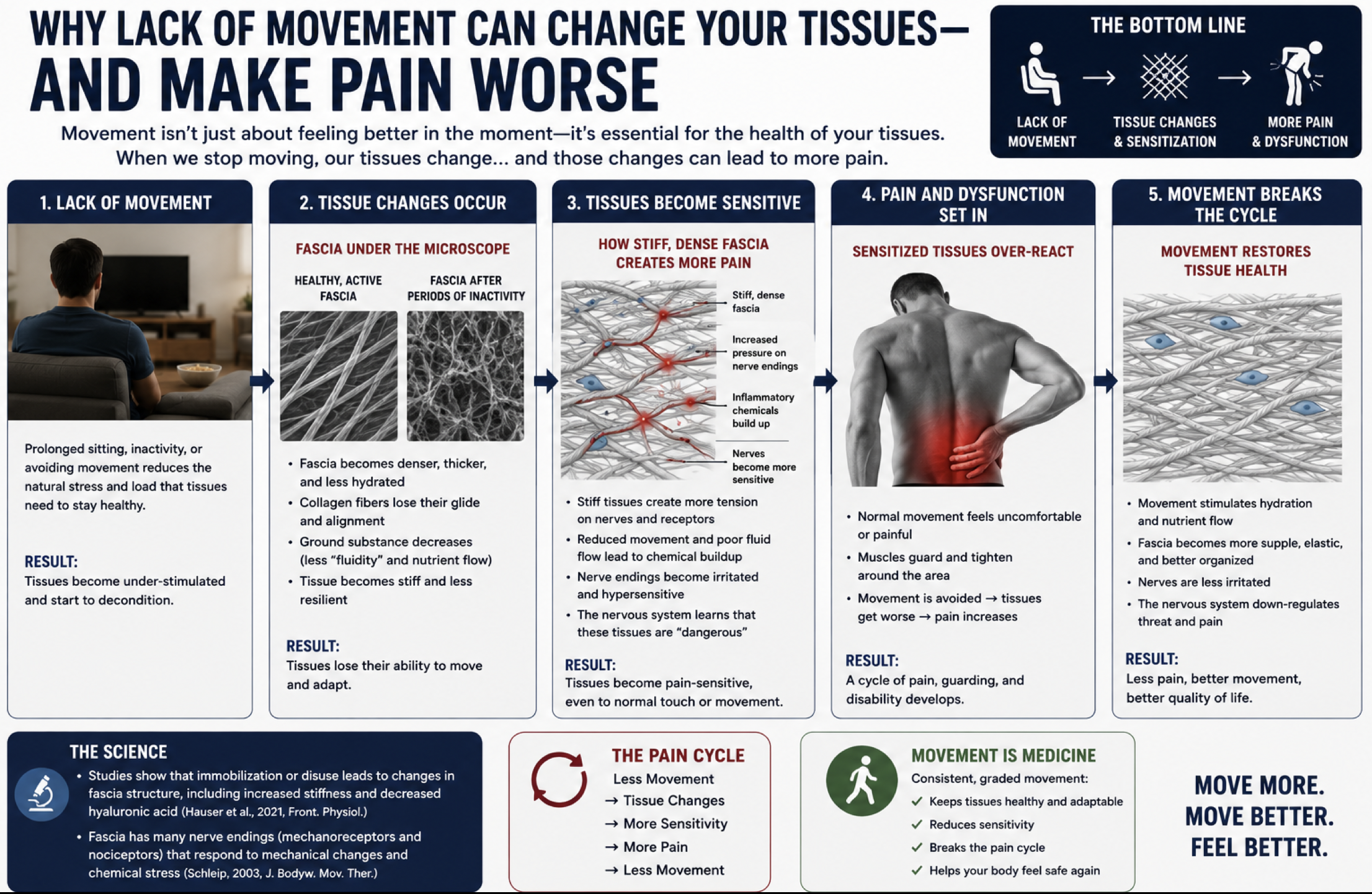
Our bodies are designed to distribute forces across multiple joints, muscles, and tissues. When movement becomes restricted in one area, another area may be asked to do more work.
For example, if someone has difficulty rotating through their hips during activities such as walking, lifting, or sports, they may compensate by creating more motion through their lumbar spine. Over time, this can increase stress on tissues that may already be sensitive.
Similarly, limited movement options can cause us to repeatedly load the same structures in the same way. While tissues are designed to tolerate load, repeatedly exposing the same tissues to the same stress without alternative movement strategies can sometimes contribute to discomfort.
However, this doesn’t mean that a lack of mobility directly causes pain. Many people have significant mobility restrictions and no pain at all, while others have excellent mobility and still experience chronic low back pain.
This is where the concept of movement variability becomes important.
What Is Movement Variability?
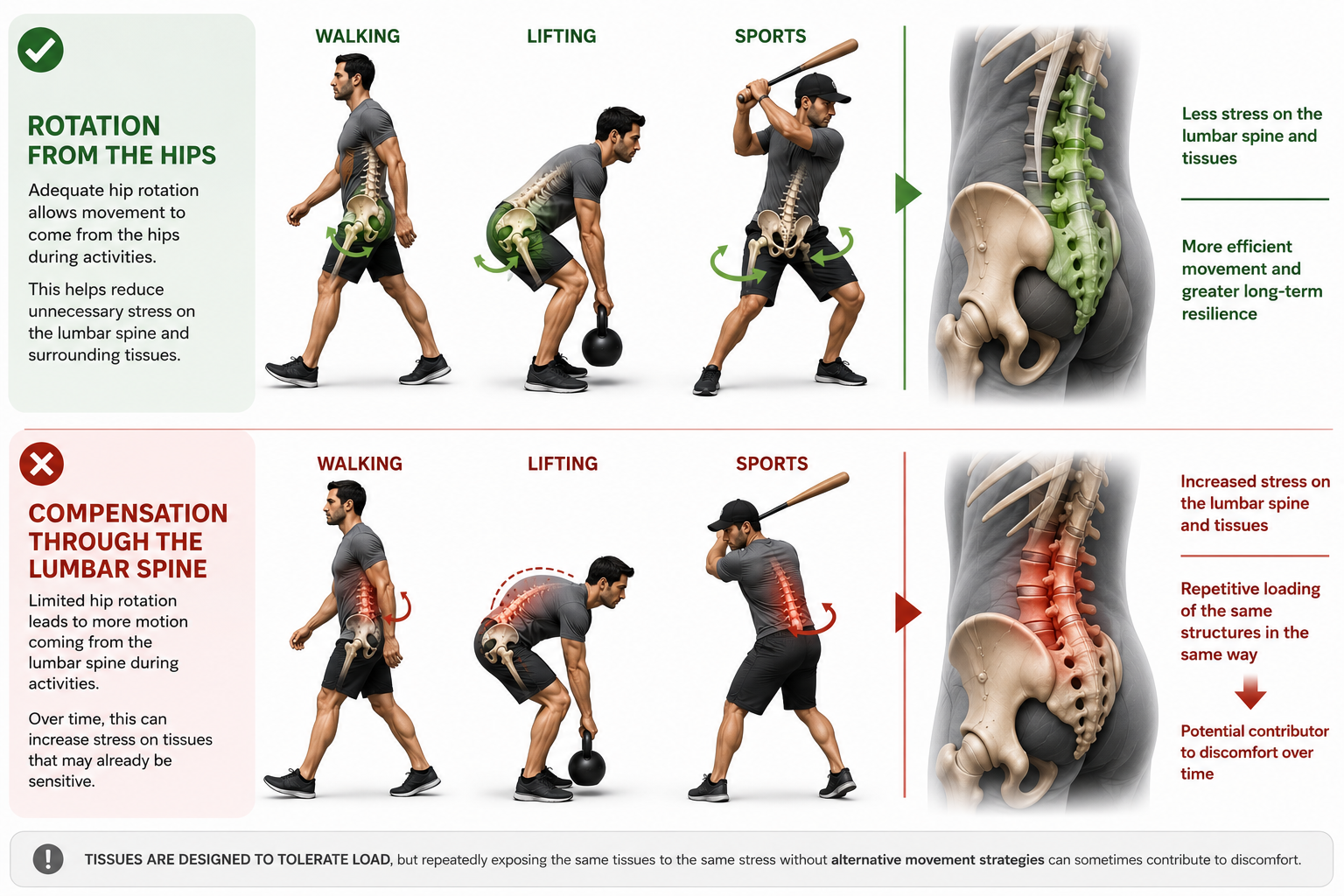
Movement variability refers to our ability to accomplish the same task using slightly different movement strategies.
Think about how you sit down in a chair. You probably don’t use the exact same movement pattern every single time. Sometimes you lean forward more, sometimes less. Sometimes you shift your weight differently.
Healthy movement systems tend to have flexibility in how they solve movement challenges.
Research has found that people with chronic low back pain often demonstrate reduced movement variability. Instead of having multiple options available, they tend to move in a more rigid and repetitive manner.
This isn’t necessarily because they are physically incapable of moving differently. Often, it is a protective strategy developed by the nervous system.
When pain persists, people may begin guarding certain movements they perceive as dangerous. Over time, they rely on a smaller set of movement patterns, reducing the body’s ability to distribute forces across different tissues and joints.
The result is that the same tissues may be loaded repeatedly while other movement options remain underutilized.
Pain Is More Than Mobility
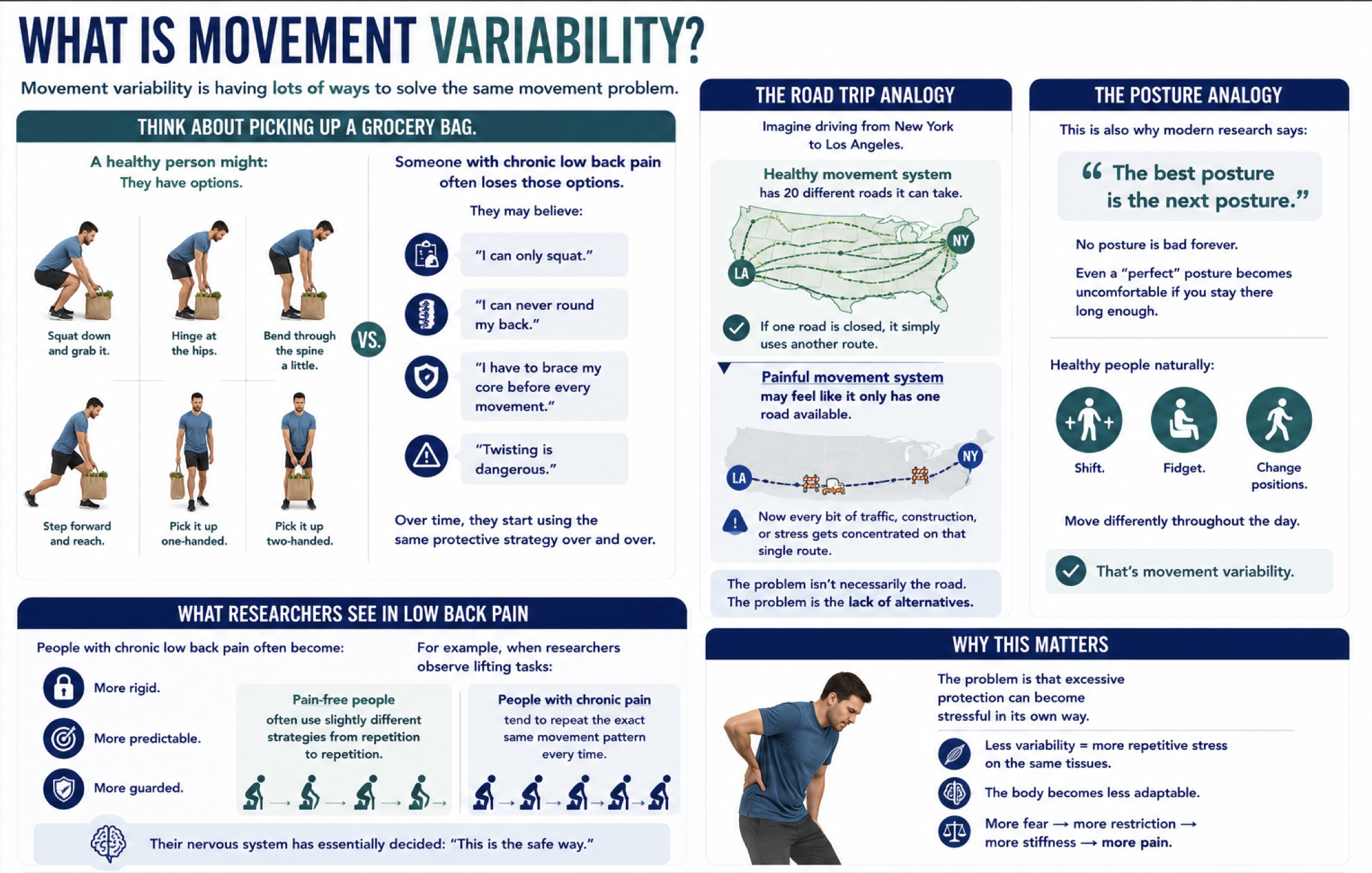
One of the biggest misconceptions about low back pain is that it is always caused by something being too tight, stiff, or out of alignment.
Modern pain science paints a much more nuanced picture.
Pain is influenced by biological, psychological, and social factors. While mobility limitations may play a role for some individuals, pain is also influenced by factors such as stress, sleep quality, previous pain experiences, beliefs about movement, and the sensitivity of the nervous system.
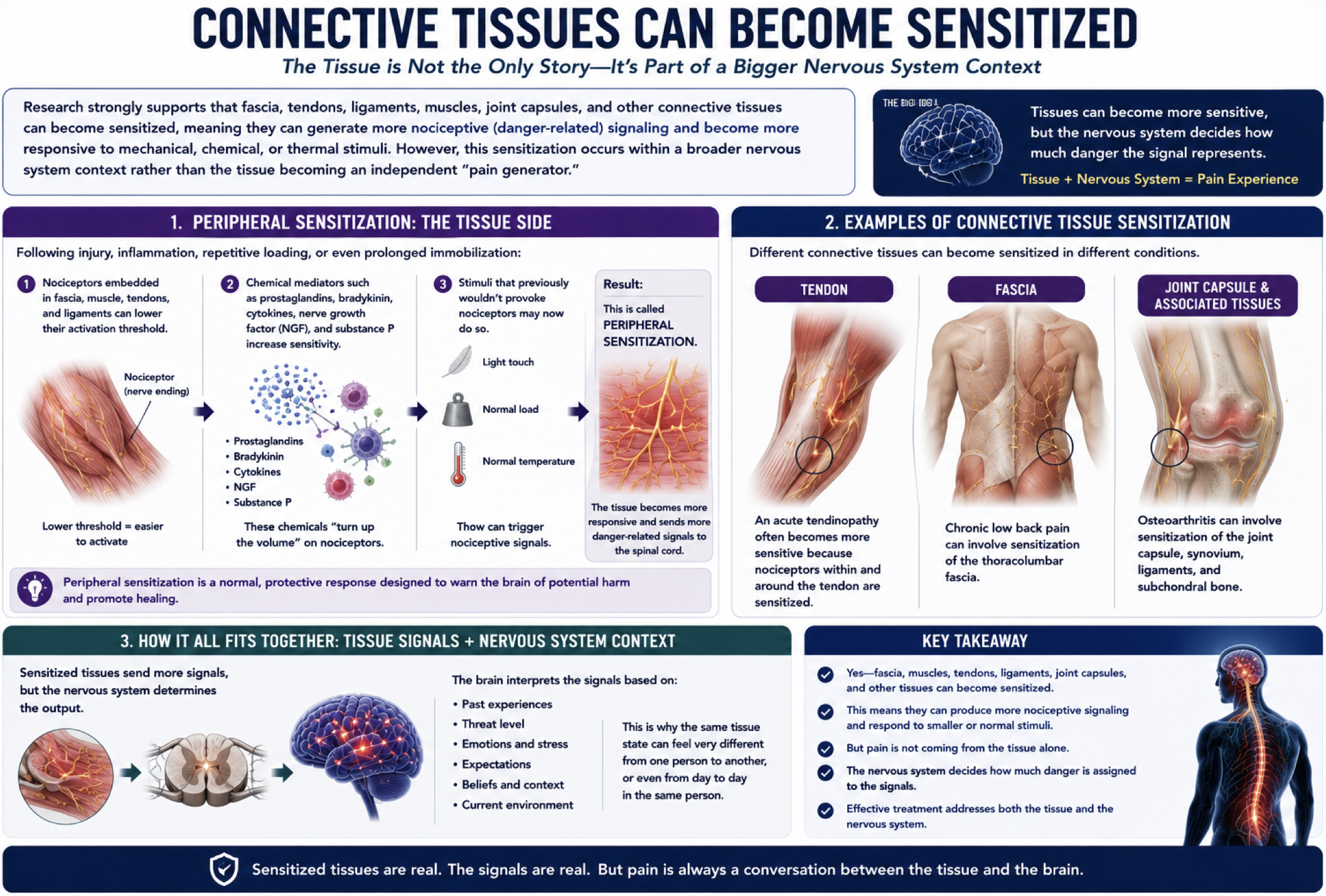
In chronic low back pain, tissues often become sensitized. Sensitization refers to an increased responsiveness of the nervous system, where movements or activities that were previously non-threatening may begin to feel painful.
This does not necessarily mean additional tissue damage is occurring. Rather, the body’s alarm system has become more protective.
In these situations, simply forcing more hip mobility or spinal mobility may not address the underlying issue.
View this post on Instagram
Building Confidence Through Movement
An important goal in managing chronic low back pain is helping individuals regain confidence in movement.
Fear of movement, sometimes referred to as kinesiophobia, has been associated with higher levels of pain, disability, and avoidance behaviors.
When people become fearful of bending, twisting, lifting, or other everyday movements, they often move less and become increasingly protective. Ironically, this can further reduce movement variability and reinforce the cycle of pain.
Gradually exposing individuals to a wider variety of movement experiences can help demonstrate that the body is resilient and capable.
This doesn’t mean ignoring pain or pushing through severe symptoms. Instead, it means progressively expanding movement options in a way that feels safe and manageable.
The Goal Is More Options, Not Perfect Mobility
Rather than chasing an arbitrary mobility standard, a more productive approach may be asking:
- Can I move in a variety of ways?
- Can I perform daily activities with confidence?
- Am I reducing unnecessary fear around movement?
- Am I gradually increasing my tolerance to load and activity?
Research suggests that improving movement variability, reducing fear, and increasing self-efficacy may be just as important if not more important than achieving specific mobility benchmarks.
For some people, improving hip mobility may be beneficial. For others, improving spinal motion may help. But neither is universally required.
The body thrives on adaptability.
The ultimate goal is not to create the most mobile spine or hips possible. The goal is to create a movement system with multiple options, a nervous system that feels safe, and a person who is confident in their ability to move.
When we shift our focus from finding the perfect mobility exercise to building movement capacity, variability, and resilience, we move closer to what the research increasingly suggests is the key to long-term success in managing low back pain.
Develop a better and deeper understanding of low back pain at our NEW Low Back Pain Masterclass that starts this Friday and you can still save 10% HERE with code “back10”
Featured in





© 2026 Ultimate Sandbag Training. Site by Jennifer Web Design.