Why Mind-Body Fitness Beats Zone 2 Training for Total-Body Health

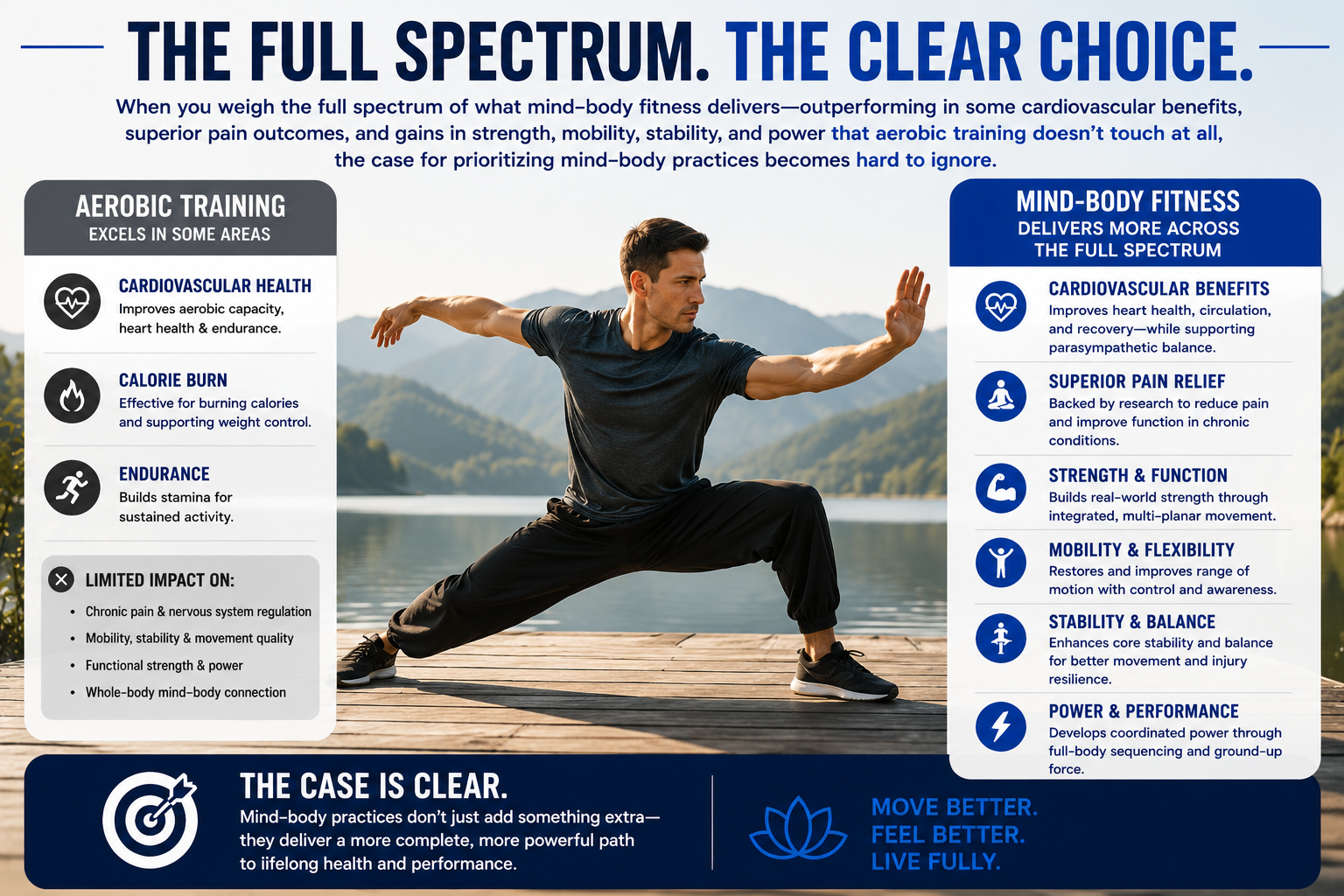
Zone 2 cardio has earned its reputation. Decades of research confirm that sustained, low-intensity aerobic training improves mitochondrial density, fat oxidation, and cardiovascular efficiency. But here’s the question most fitness advice ignores: what if the same time investment could deliver those cardiovascular benefits and simultaneously build strength, mobility, stability, power, and meaningful pain relief?
That’s exactly what a growing body of research on mind-body fitness is showing. And when you look at the full picture of what these practices deliver, Zone 2 training starts to look like the narrower, less efficient choice.
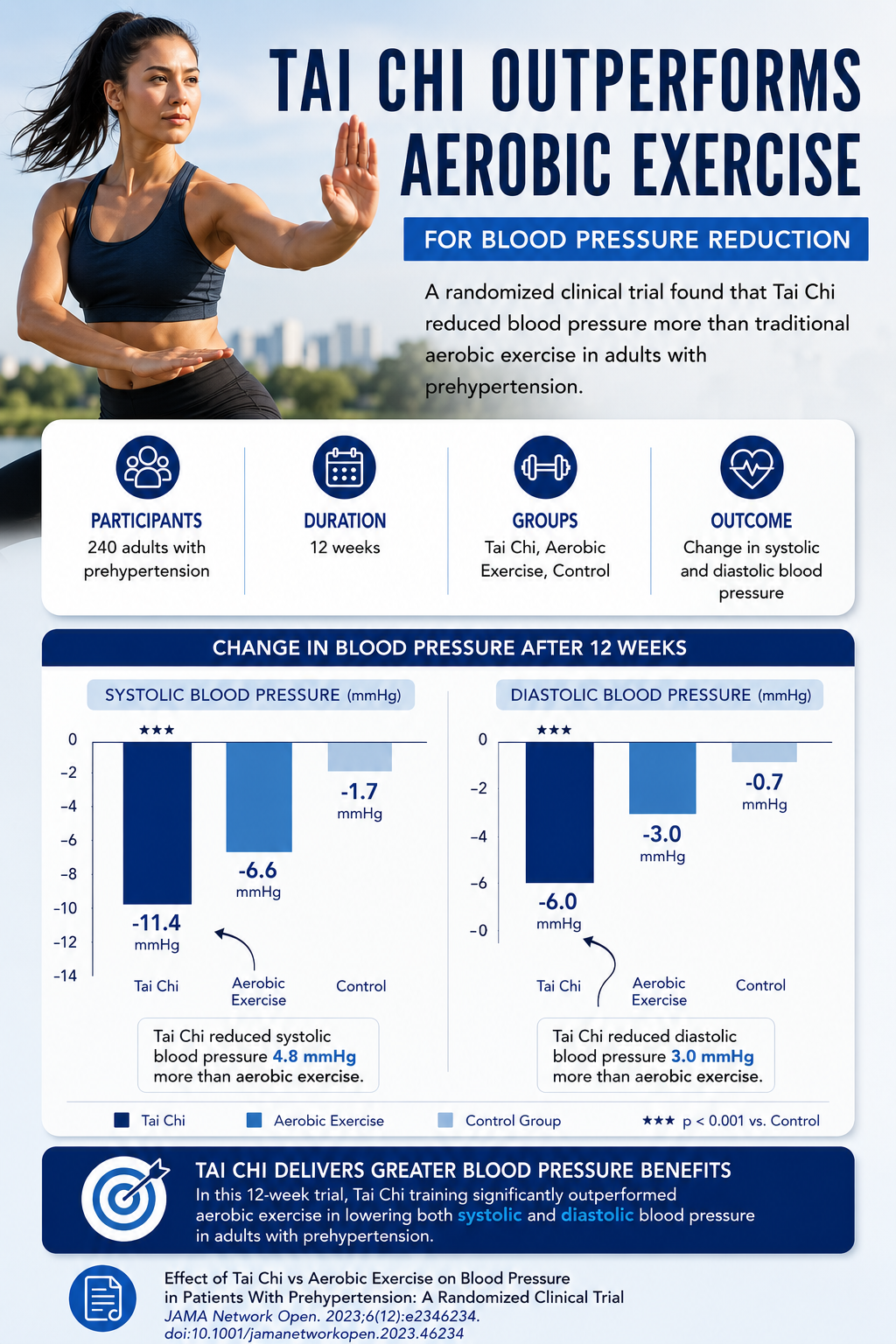
Matching Zone 2 on Blood Pressure
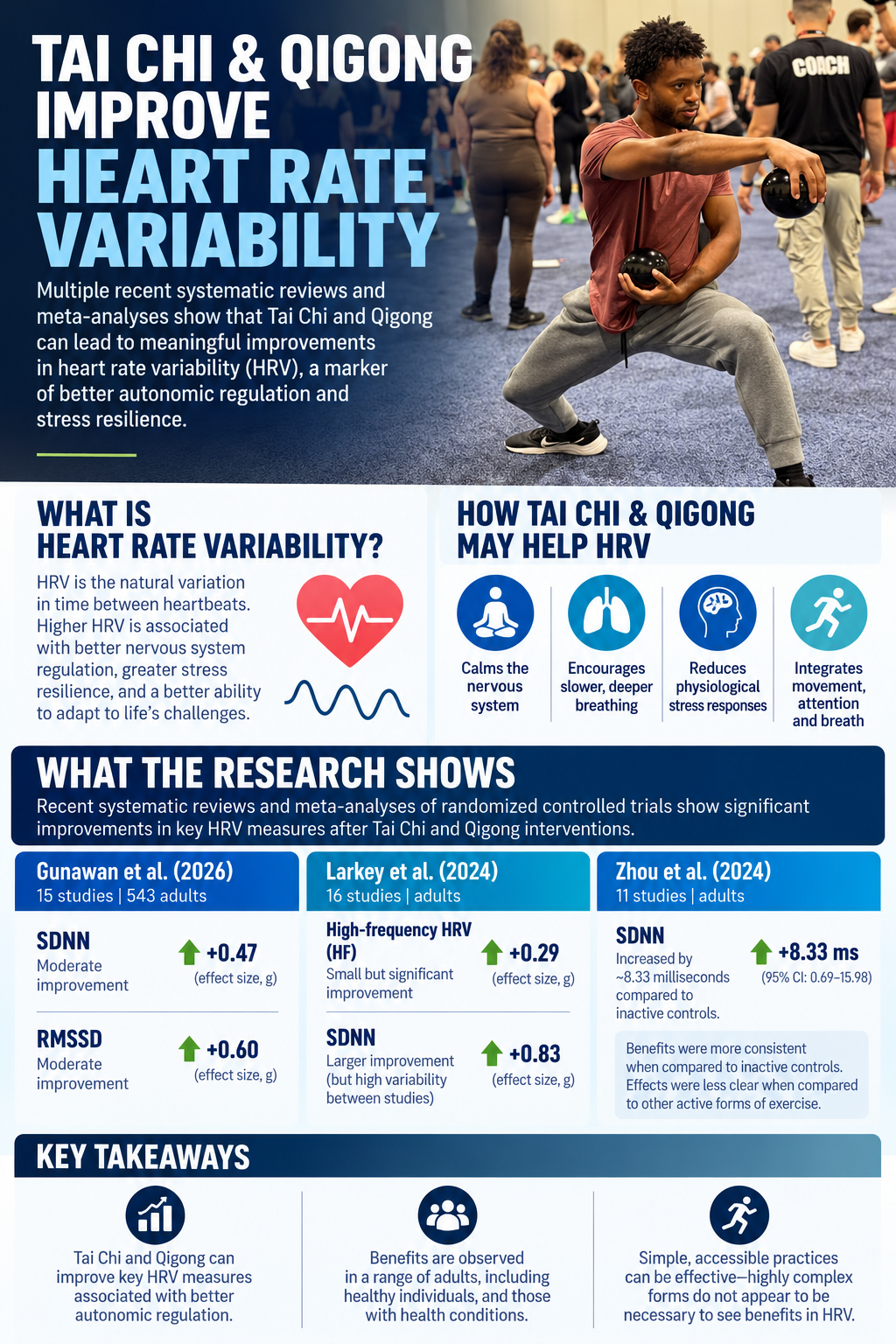
If blood pressure reduction is the primary cardiovascular goal, mind-body practices hold their own. A meta-analysis published in the Journal of the American Heart Association found that yoga interventions produced systolic blood pressure reductions comparable to standard aerobic exercise programs, with some studies showing reductions of 5–10 mmHg in hypertensive populations. Tai chi research, including studies published in JAMA (one of the most prestigious journals), showed that the practice was MORE effective in reducing blood pressure than activities including jogging, climbing stairs, brisk walking and cycling
This matters because blood pressure regulation isn’t purely a cardiovascular output, it’s heavily influenced by autonomic nervous system balance. Mind-body practices directly train that balance through breathwork and present-moment awareness, giving them a mechanism of action that pure aerobic training doesn’t directly address.
Where Zone 2 Falls Short: Pain
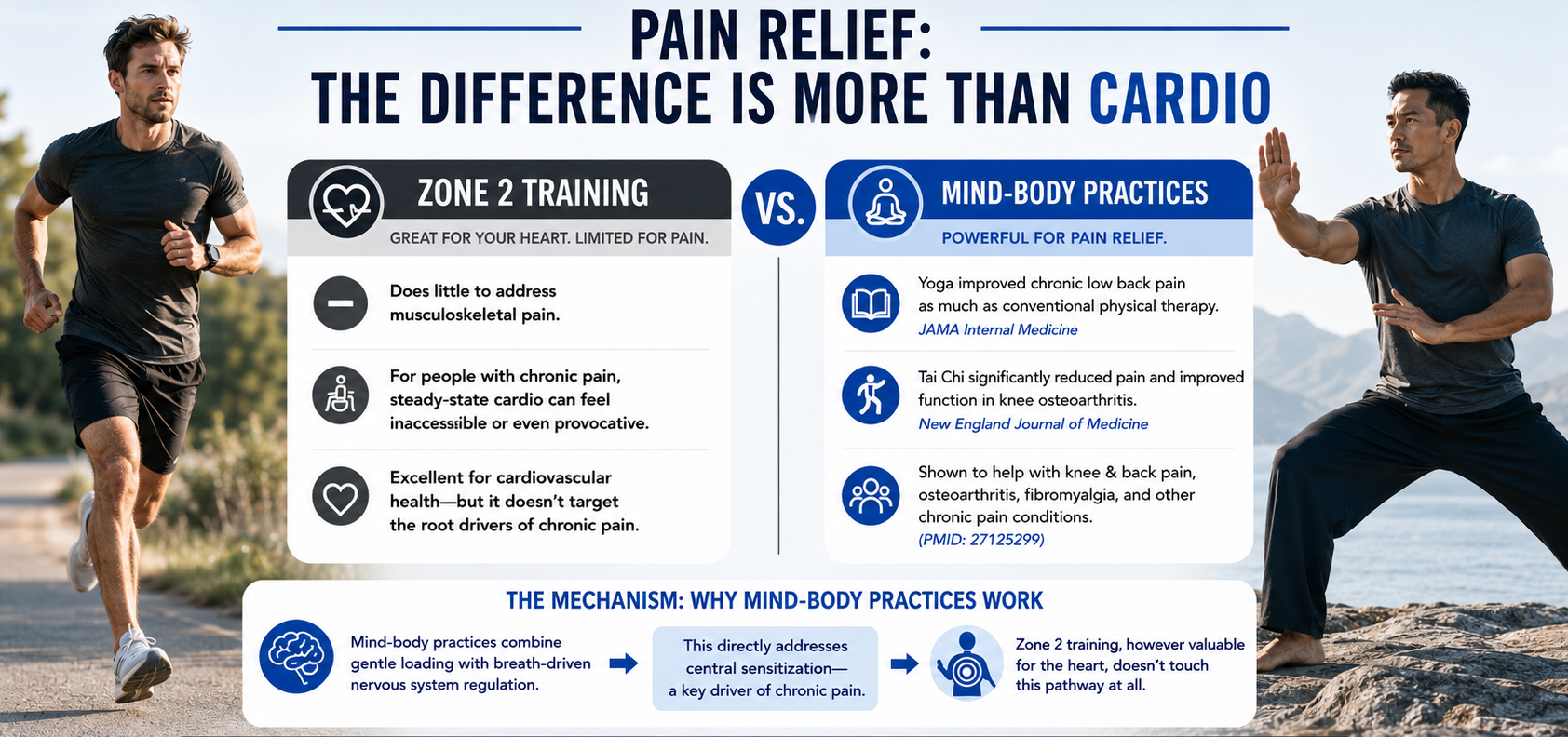
This is where the comparison stops being close. Zone 2 training does little to address musculoskeletal pain and for people with chronic pain conditions, steady-state cardio can sometimes feel inaccessible or even provocative.
Mind-body practices, by contrast, have substantial research support for pain reduction. A landmark study in JAMA Internal Medicine found that yoga produced clinically meaningful improvements in chronic low back pain, comparable to conventional physical therapy. Research on Tai Chi published in the New England Journal of Medicine demonstrated significant pain reduction and functional improvement in people with knee osteoarthritis outcomes that pace-based cardio simply isn’t designed to produce.
Such practices have been shown to help knee & back pain, osteoarthritis, fibromyalgia, and other chronic pain conditions (PMID: 27125299).
The mechanism here is twofold: mind-body practices combine gentle loading with breath-driven nervous system regulation, directly addressing the central sensitization that drives much of chronic pain. Zone 2 training, however valuable for the heart, doesn’t touch this pathway at all.
Strength, Stability, and Power: The Categories Zone 2 Ignores Entirely
This is the most important point in the comparison. Zone 2 training, by design, isolates one quality: aerobic endurance. It does not build strength. It does not meaningfully improve balance or stability. And it offers nothing in terms of power development.
Mind-body practices do all three.
Research published in the Journal of Bodywork and Movement Therapies found that consistent yoga practice produced measurable increases in functional strength, particularly in the postural and stabilizing muscles often neglected in conventional training. Tai chi has an even more robust evidence base for balance and stability, a systematic review in the British Journal of Sports Medicine found Tai Chi reduced fall risk in older adults more effectively than many standard balance-training protocols, largely due to its emphasis on controlled weight shifting, proprioceptive awareness, and multi-planar movement.
Power, the ability to produce force quickly, might seem like an unlikely outcome for slow-moving practices like Tai Chi (the false assumptions that all movements are slow) or yoga. But research on qigong and Tai Chi has shown improvements in lower-body power output, attributed to the eccentric control and rapid postural adjustments embedded in many forms. While mind-body practices won’t replace heavy resistance training for peak power output, they develop a foundation of coordinated, full-body force production that steady-state cardio cannot touch.
Yes, I am also using ankle weights, you can find them HERE (no affiliate link attached)
The Efficiency Argument
Here’s the real case for mind-body training: it’s not just that it produces comparable cardiovascular benefits to Zone 2, it’s that it produces those benefits while simultaneously building strength, mobility, stability, power, and pain resilience in the same session.
Zone 2 training asks you to dedicate significant weekly time, often 150 to 300 minutes, to develop one physiological quality. Mind-body training asks for a similar time investment but returns benefits across nearly every domain of physical health simultaneously.
For anyone managing a finite amount of time and energy, that’s not a minor advantage. It’s the difference between training one system and training the whole system your body actually relies on to function.
Zone 2 training isn’t worthless, it remains a legitimate tool for cardiovascular conditioning. But when you weigh the full spectrum of what mind-body fitness delivers, outperforming in some cardiovascular benefits, superior pain outcomes, and gains in strength, mobility, stability, and power that aerobic training doesn’t touch at all, the case for prioritizing mind-body practices becomes hard to ignore.
The body doesn’t function in isolated systems. Why should training it work any differently?
Learn more in our MIM programs that you can save 35% off HERE with code “dvrt35” and get a early opportunity to sign-up for our 4-week LIVE (you will also get recordings) MIM Coaching Program HERE