
Why Muscle Isolation Training Doesn’t Make Sense
2026-06-12

I recently had the opportunity to sit down for a conversation that explored a topic I believe is shaping the future of fitness, rehabilitation, and performance: understanding the body as one connected system.
Too often, we approach movement by isolating muscles, stretching individual tissues, or chasing mobility and stability as separate qualities. However, emerging research in fascia, pain science, and motor control suggests that the body doesn’t function in isolated parts, it functions through interconnected systems.
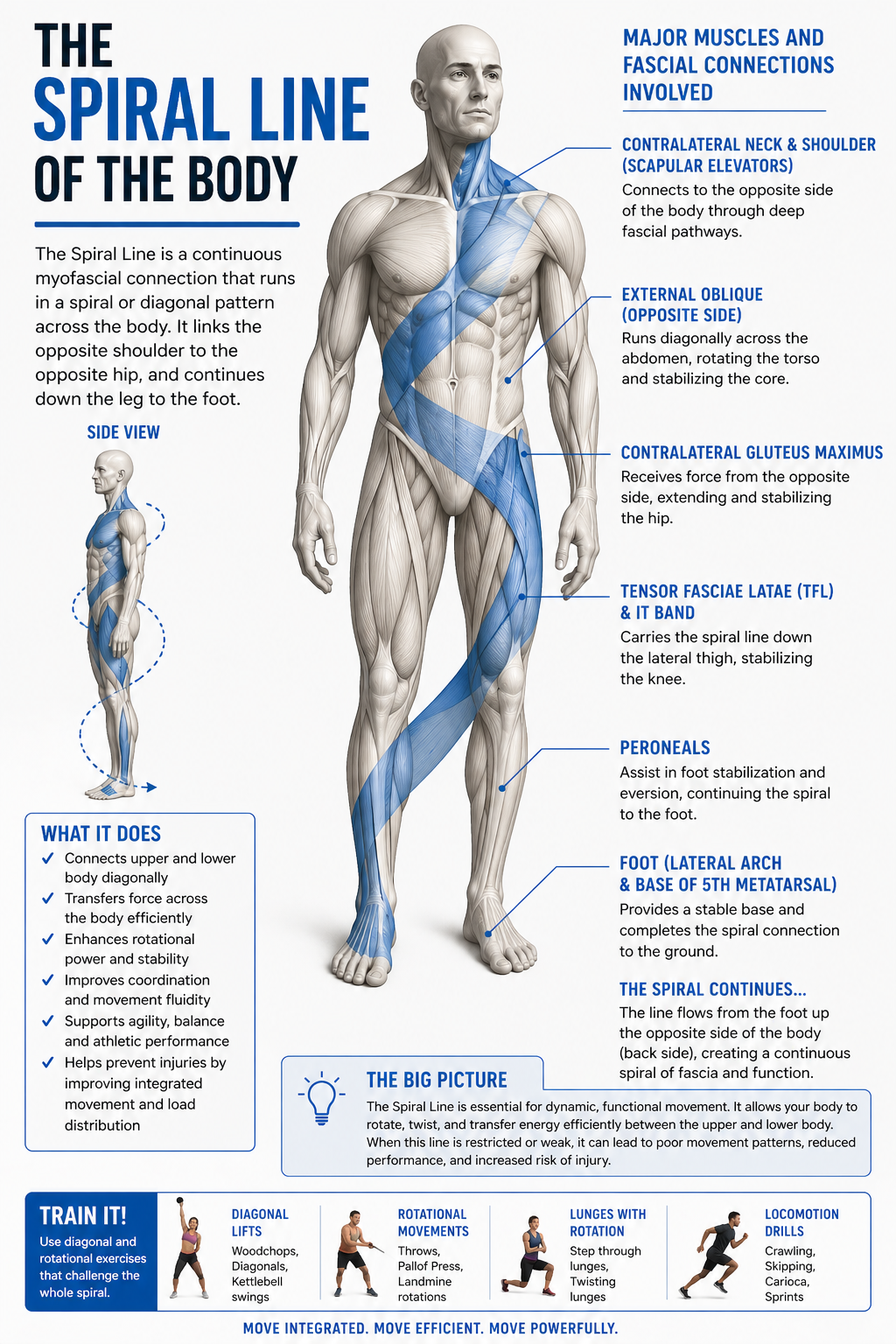
During our discussion, we unpacked how fascia is changing the way we think about movement, strength, mobility, and stability. We explored how sling systems, myofascial lines, and kinetic chains influence the way force is created, absorbed, and transferred throughout the body. These concepts aren’t just theoretical; they show up in every squat, lunge, carry, press, and rotational movement we perform.
We also discussed why body position, load position, and planes of motion matter so much in training. When we understand how the body naturally organizes movement, we can create exercises that improve mobility, strength, balance, coordination, and stability simultaneously rather than treating them as separate goals.
Another key part of the conversation focused on the relationship between breath, posture, tension, and the nervous system. Movement quality is influenced by much more than muscles and joints. How we breathe, regulate tension, and respond to stress can significantly impact performance, resilience, and even pain experiences.
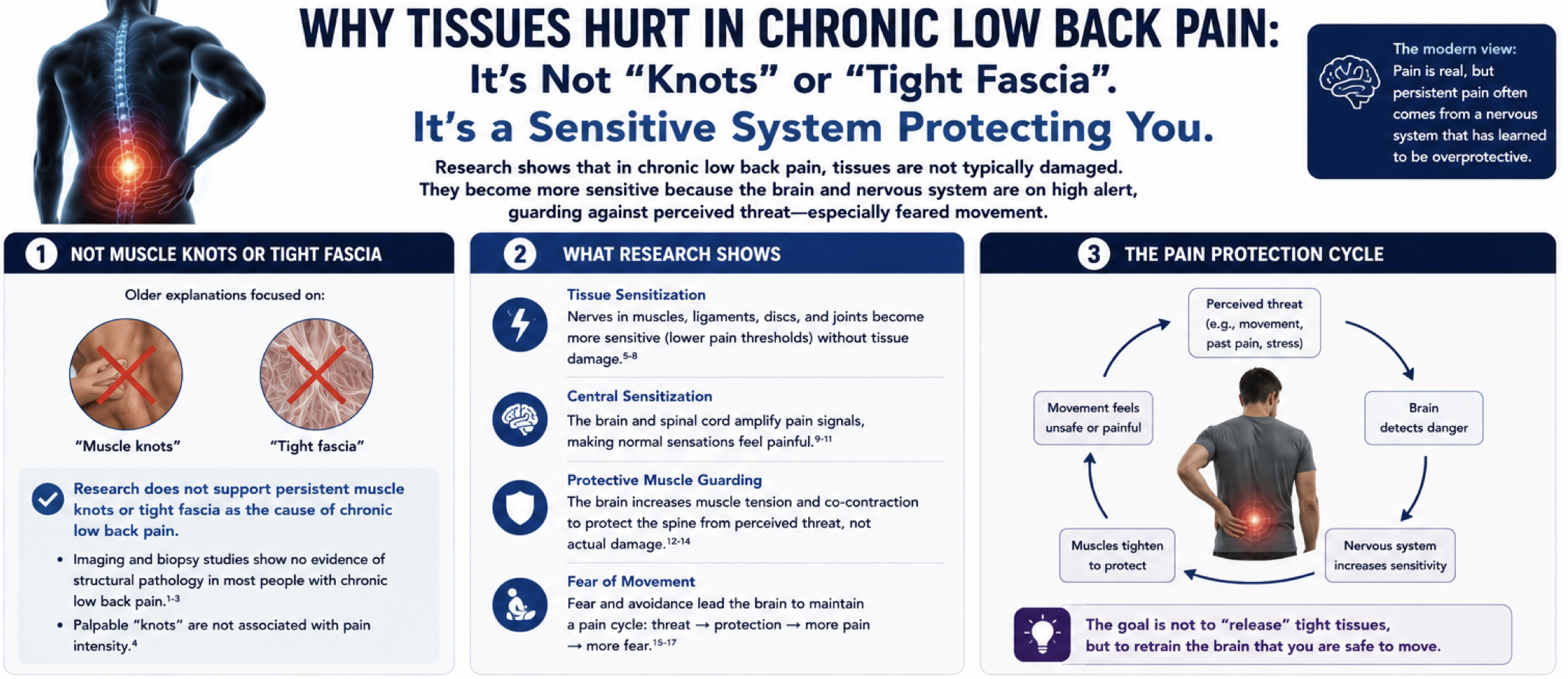
This naturally led us into discussing Myofascial Integrated Movement (MIM) and how coaches can apply fascia-informed programming without making training overly complicated. The goal isn’t to create more complexity, it’s to better understand how the body truly functions.
Ultimately, this wasn’t just a conversation about exercises. It was a discussion about movement efficiency, adaptability, human performance, and how a systems-based approach may help us create more effective training solutions for the future.
Featured in





© 2026 Ultimate Sandbag Training. Site by Jennifer Web Design.